

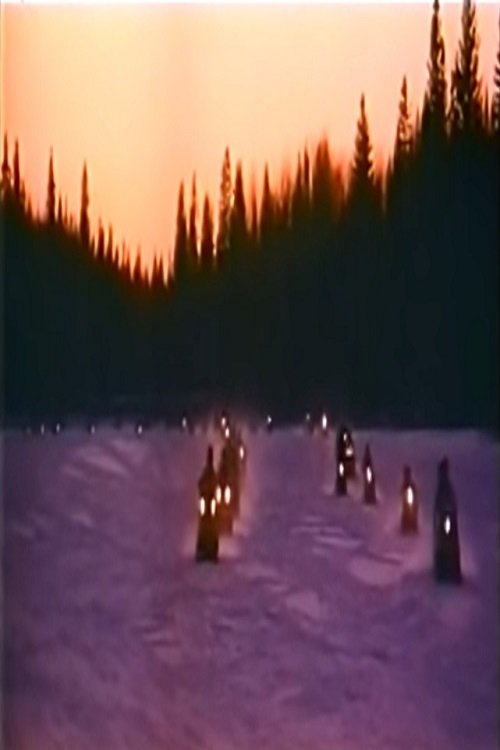
Where the North Begins
Documentary
Overview
“Where the North Begins” was one of the 4 original regional portrait films commissioned for the first season of Ontario Place (the others being "North of Superior" (IMAX), "Seasons in the Mind" (70mm), and "Home By The Waters" (35mm anamorphic). The film was directed by David MacKay who was the producer for "A Place to Stand" and then directed "Ontario-oh!". Although "Where The North Begins" was commissioned by the Ontario government, Dave's subversive and wicked sense of irony does come shining through, as does his heartfelt beliefs.


No cast information.
Similar Movies
The Indian Act, passed in Canada in 1876, made members of Aboriginal peoples second-class citizens, separated from the white population: nomadic for centuries, they were moved to reservations to control their behavior and resources; and thousands of their youngest members were separated from their families to be Christianized: a cultural genocide that still resonates in Canadian society today.
Ashley Smith was a troubled 19-year-old when she choked herself to death at Ontario's Grand Valley Institution for Women. Her death made national headlines and led to a scathing report by Canada’s federal prison ombudsman. Incarceration for Ashley began at a youth detention centre in New Brunswick. Her crime: she had tossed crabapples at a mailman. Her one-month sentence stretched to almost four years, served in five provinces. With the prison videotapes and exclusive access to Smith’s parents, along with a fellow inmate, this documentary exposes a system that fails the many Ashley Smiths still incarcerated in Canadian institutions.
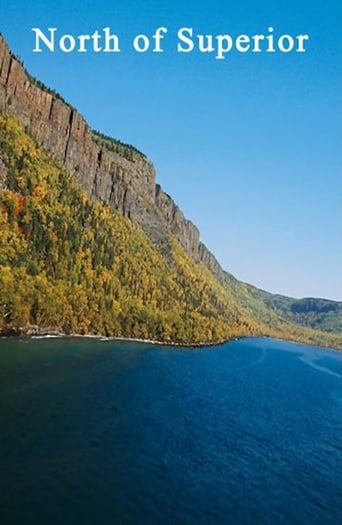
The second IMAX film made, commissioned by the Ontario Government, and produced by MultiScreen Corporation, later to become IMAX corporation. North of Superior is a Northern Ontario travelogue, and was the first short feature to be shown at the newly created Ontario government theme park, Ontario Place, in it's state of the art cinema, Cinesphere, the first permanent IMAX installation.
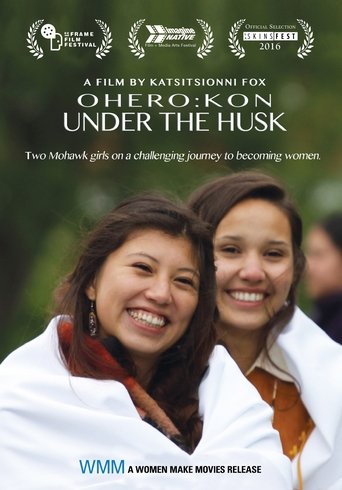
This documentary follows two Mohawk girls on their journey to become Mohawk women. Friends since childhood, Kaienkwinehtha and Kasennakohe are members of the traditional community of Akwesasne on the U.S./Canada border. Together, they undertake a four-year rite of passage for adolescents, called Oheró:kon, or "under the husk." The ceremony had been nearly extinct, a casualty of colonialism and intergenerational trauma; revived in the past decade by two traditional leaders, it has since flourished. Filmmaker Katsitsionni Fox has served as a mentor, or "auntie," to many youth going through the passage rites.

"The Hart of London" is an endlessly layered tour de force. It explores life and death, the sense of place and personal displacement, and the intricate aesthetics of representation. It is a personal and spiritual film, marked inevitably by Chambers’s knowledge that he had leukemia. The late American avant-garde filmmaker Stan Brakhage said of Hart, "If I named the five greatest films [ever made], this has got to be one of them." Even this high praise falls short of hyperbole. The Hart of London is at the centre of Chambers’s extraordinary achievement.

Terry Wilson is a 70-year-old lifelong resident of Meadowvale Village, Ontario's first heritage district. As development looms and begins to destroy Terry's favourite place in the world, he recreates pieces of history in his backyard, crafting an oasis where it feels like nothing has changed. A beautiful tribute to his childhood, his mother, and his town, Terry passionately fights to preserve history in a world that's too anxious for change.
For the past 40 years, Bruce Beach has been preparing for a nuclear disaster. A bunker of 42 school buses is buried on his property, designed to save humanity. Curious onlookers and interested preppers regularly visit the site named Ark Two, but it's clear that the creator of this decaying shelter is the only one truly convinced of its practicality in the event of an apocalypse. Now that Bruce is in his 80s, he and his wife Jean need to spend more time taking care of their immediate needs than worrying about the future. What could easily be dismissed as evangelical paranoia becomes a tragic yet uplifting story about a risk-taking inventor who has lived without regrets. Sometimes outside-the-box thinkers become millionaires and are recognized for their genius ability to guide us into the future, while others are pushed to the margins. There’s a lot to be learned from both