


Red Girl Rising
Documentary
Overview
Joyce Jonathan Crone—Mohawk matriarch, retired teacher, activist, humanitarian—reaches forward into her community of Huntsville, Ontario, opening hearts and bridging gaps for Indigenous education.
Top Cast





Joyce Jonathan Crone
Joyce Jonathan Crone
Herself
Joyce Jonathan Crone
Herself
Similar Movies

“The Walkout” is a new documentary that brings to light a pivotal but often overlooked moment in Texas history: the 1968 student walkout at Edgewood High School in San Antonio’s Westside. Fed up with underfunded classrooms, uncertified teachers, and crumbling facilities, a group of young Mexican American students and their families organized a bold protest that would become a catalyst for statewide education reform. Told through the voices of the original students, community leaders, and historians, The Walkout weaves together personal testimony, historical footage, and present-day reflections to honor the legacy of resistance born in San Antonio’s Westside. This film doesn’t just revisit the past; it also draws a direct line to today’s struggles over school funding and equity in Texas.

In 1967, de Andrade was invited by the Italian company Olivetti to produce a documentary on the new Brazilian capital city of Brasília. Constructed during the latter half of the 1950s and founded in 1960, the city was part of an effort to populate Brazil’s vast interior region and was to be the embodiment of democratic urban planning, free from the class divisions and inequalities that characterize so many metropolises. Unsurprisingly, Brasília, Contradições de uma Cidade Nova (Brasília, Contradictions of a New City, 1968) revealed Brasília to be utopic only for the wealthy, replicating the same social problems present in every Brazilian city. (Senses of Cinema)
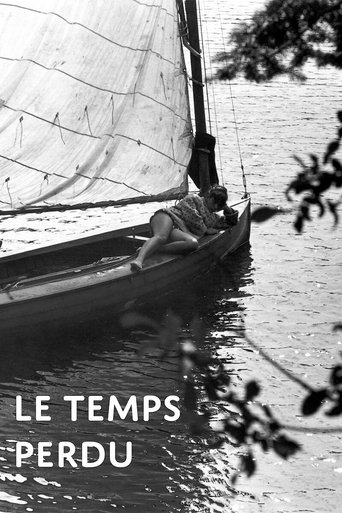
A 16 year old girl recalls the last moments of her summer vacation, spent with friends in the Laurentians north of Montreal. She reminisces about their talks on life, death, love, and God. Shot in direct cinema style, working from a script that left room for the teenagers to improvise and express their own thoughts, the film sought to capture the immediacy of the youths presence their bodies, their language, their environment.
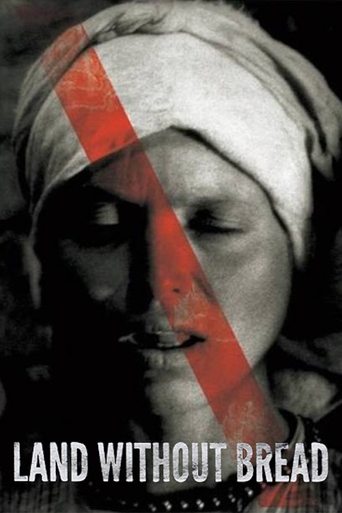
An exploration —manipulated and staged— of life in Las Hurdes, in the province of Cáceres, in Extremadura, Spain, as it was in 1932. Insalubrity, misery and lack of opportunities provoke the emigration of young people and the solitude of those who remain in the desolation of one of the poorest and least developed Spanish regions at that time.
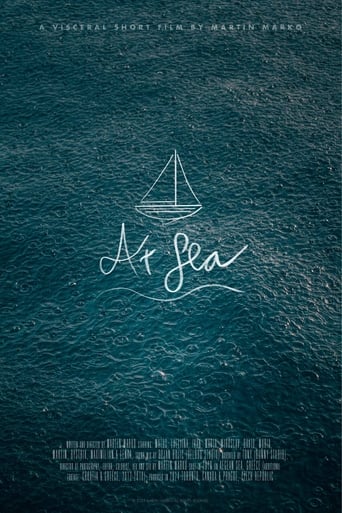
AT SEA is a visceral and poetic short film that blends docu-style realism with narrative fiction, following a group of faceless sailors navigating the unpredictable seas of Greece. Through the fragmented memories of an unreliable narrator, the film weaves together a non-linear story that shifts in mood with each chapter, offering a fresh perspective on the sea. Based on true events… almost.