

Krotoa
Drama · Romance
Overview
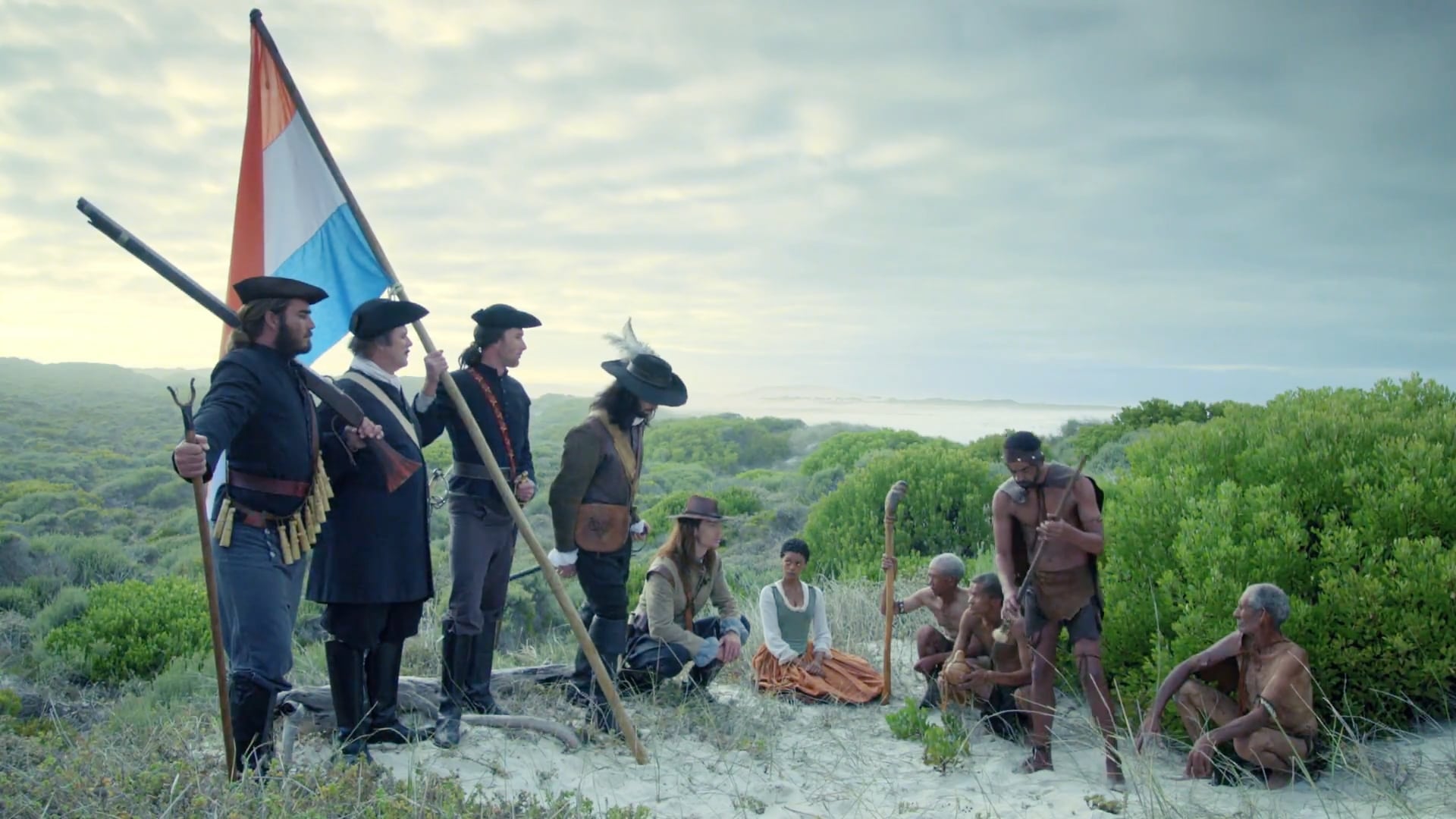
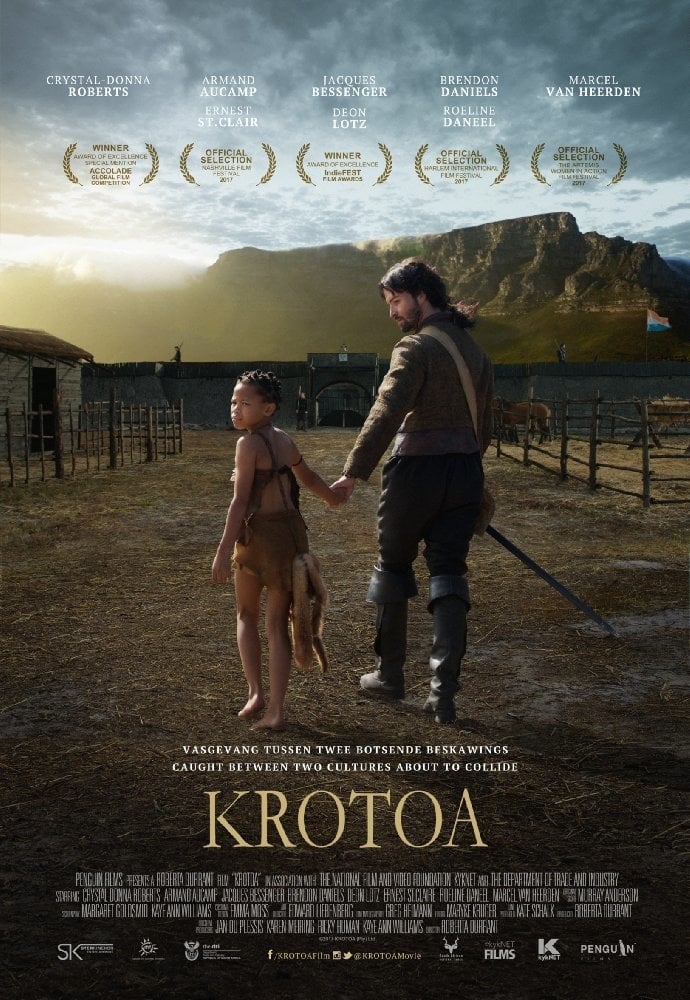
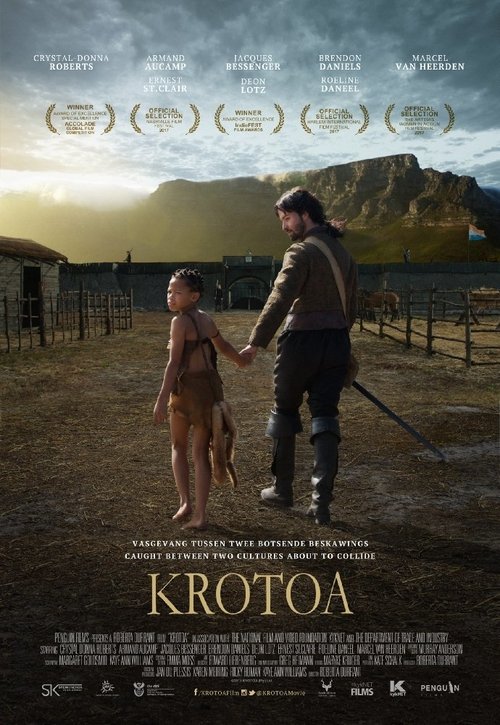
Krotoa, a feisty, bright, 11-year-old girl is removed from her close-knit Khoi tribe to serve Jan van Riebeeck, her uncle’s trading partner and the first Governor of the Cape Colony. She is brought into the first Fort established by the Dutch East India Company in 1652. There she grows into a visionary young woman who assimilates the Dutch language and culture so well that she rises to become an influential translator but ends up being rejected by her own people as she tries to bridge the gap between the two cultures about to collide.
Top Cast
Armand Aucamp
Jan Van Riebeeck

Jacques Bessenger
Pieter Van Meerhof

Crystal-Donna Roberts
Krotoa
Ernest St Clair
Doman

Roeline Daneel
Maria van Riebeeck
Brendon Daniels
Autshumato
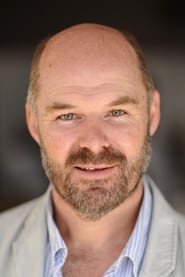
Deon Lotz
Roelof de Man

Michael MacKenzie
French Dignitary

Marcel Van Heerden
Wagenaar

Lizette Van Der Merwe
Wife of Dutch dinner guest
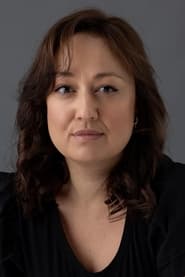
Jessica Stanley
Roelof's Wife





Armand Aucamp
Armand Aucamp
Jan Van Riebeeck
Armand Aucamp
Jan Van Riebeeck
Jacques Bessenger
Jacques Bessenger
Pieter Van Meerhof
Jacques Bessenger
Pieter Van Meerhof
Crystal-Donna Roberts
Crystal-Donna Roberts
Krotoa
Crystal-Donna Roberts
Krotoa
Ernest St Clair
Ernest St Clair
Doman
Ernest St Clair
Doman
Roeline Daneel
Roeline Daneel
Maria van Riebeeck
Roeline Daneel
Maria van Riebeeck
Brendon Daniels
Brendon Daniels
Autshumato
Brendon Daniels
Autshumato
Deon Lotz
Deon Lotz
Roelof de Man
Deon Lotz
Roelof de Man
Michael MacKenzie
Michael MacKenzie
French Dignitary
Michael MacKenzie
French Dignitary
Marcel Van Heerden
Marcel Van Heerden
Wagenaar
Marcel Van Heerden
Wagenaar
Lizette Van Der Merwe
Lizette Van Der Merwe
Wife of Dutch dinner guest
Lizette Van Der Merwe
Wife of Dutch dinner guest
Similar Movies
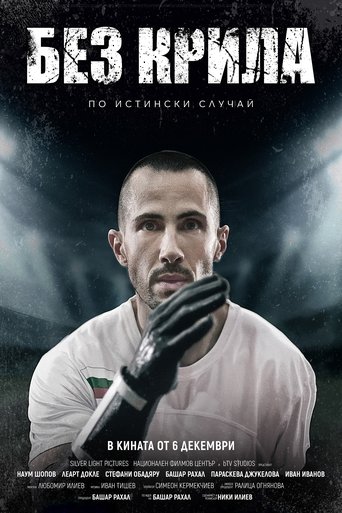
The movie is inspired by the true life story of Bulgarian paralympic ‘Long jump’ triple world champion Mihail Hristov. The film follows Mihail from the moment he loses both his arms in an electric current incident and makes the life-changing decision of becoming a professional athlete as he goes through the catharsis of deciding to start a new life without arms. He goes through a number of difficulties, both on the sports field and in his personal relationships with his parents, his coach, the girl he falls in love with but most of all, the difficulty of accepting what has happened to him. The script traces Mihail's difficult fate from the accident that left him without arms to becoming a triple long jump world champion, inventor of a new type of prosthetics and a motivational speaker.
In the occupied Netherlands near the end of WWII, a young teenager, Jeroen Boman (Maarten Smit) is sent to the Dutch countryside to avoid the war in Amsterdam. While living with his adopted family, Jeroen meets and becomes friends with a Canadian soldier named Walt Cook, who is stationed at the same town he is staying at. Joroen and Walt spend a lot of time playing around and eventually a romantic relationship develops between them. The boy’s sexual curiosity leads him to have a sexual experience with Walt, an encounter that is shown with some vague detail but without actually showing any nudity, even though sexual intimacy between the two of them is implied. Overall, the movie handles this difficult subject with an elegant style and feeling, without having the adult-child relationship overwhelm the viewer and thus allowing the movie to be seen as just a wartime relationship between two people that marks an important time in a young boy’s life.
Assigned to oversee the development of the atomic bomb, Gen. Leslie Groves is a stern military man determined to have the project go according to plan. He selects J. Robert Oppenheimer as the key scientist on the top-secret operation, but the two men clash fiercely on a number of issues. Despite their frequent conflicts, Groves and Oppenheimer ultimately push ahead with two bomb designs — the bigger "Fat Man" and the more streamlined "Little Boy."
This excellent feature-length documentary - the story of the imperialist colonization of Africa - is a film about death. Its most shocking sequences derive from the captured French film archives in Algeria containing - unbelievably - masses of French-shot documentary footage of their tortures, massacres and executions of Algerians. The real death of children, passers-by, resistance fighters, one after the other, becomes unbearable. Rather than be blatant propaganda, the film convinces entirely by its visual evidence, constituting an object lesson for revolutionary cinema.