

Foreign Prayer
History · Drama
Overview
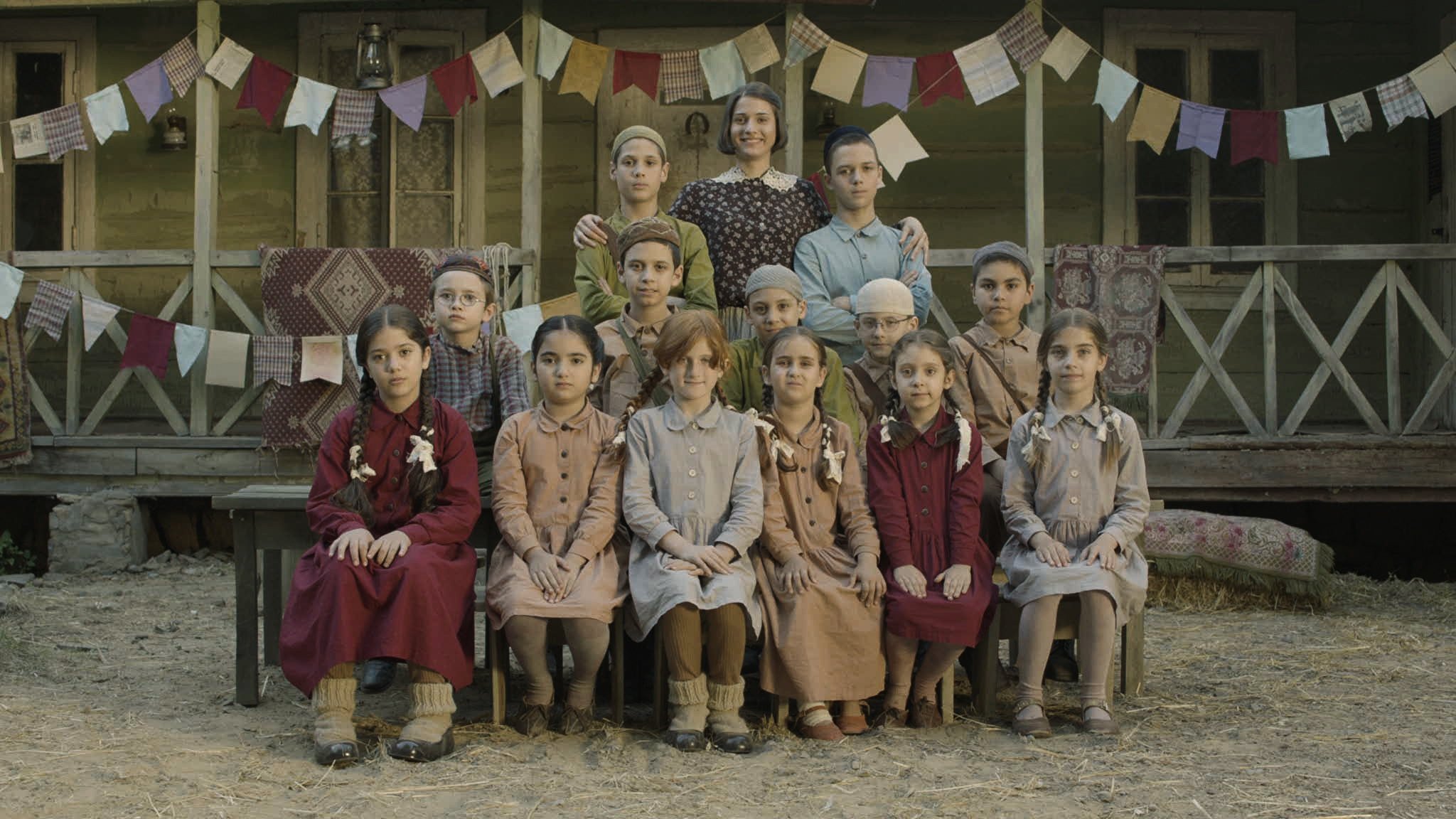
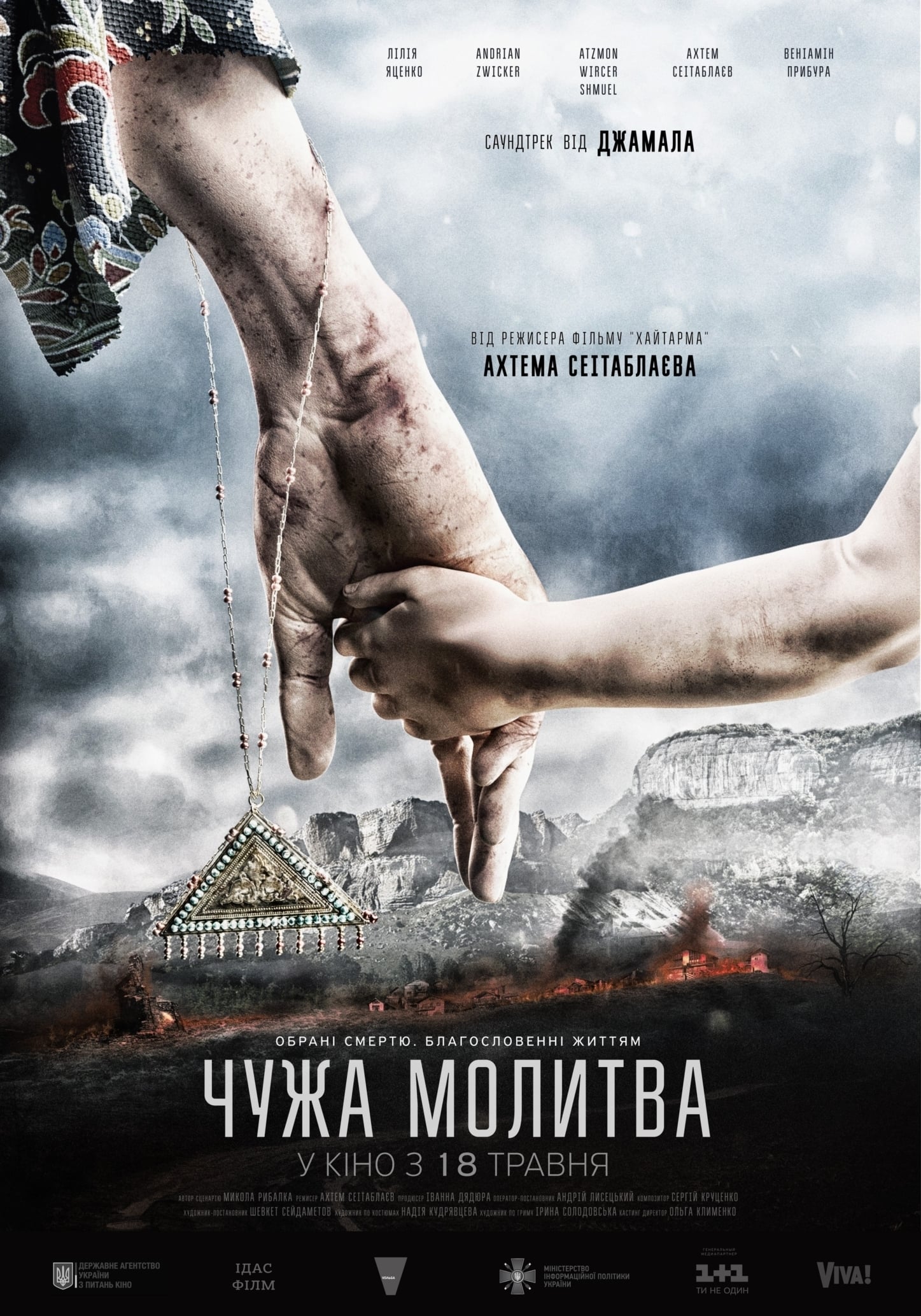
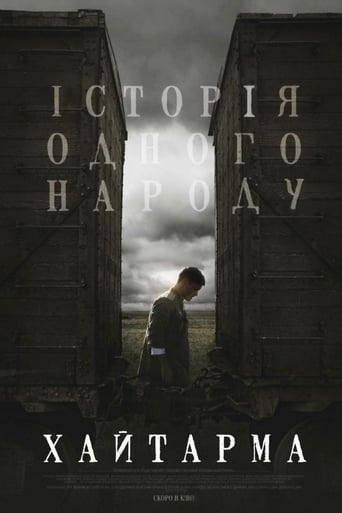
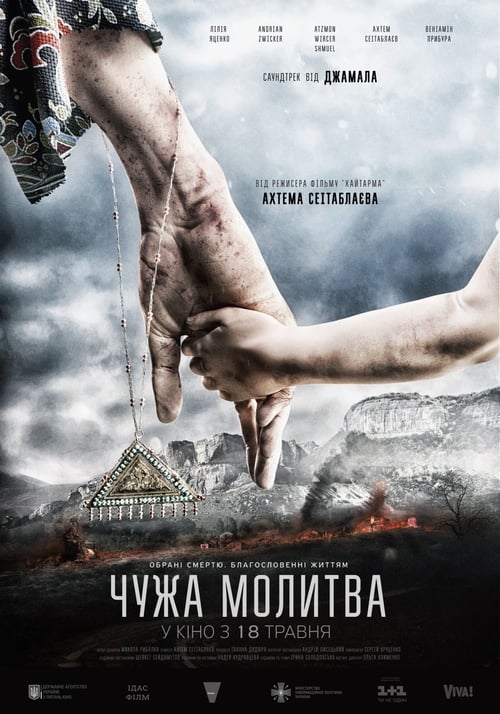
Nazi-occupied Crimea, 1944. A boy named Itzhak turns to Saide Arifova, a local Tatar Muslim woman, for help, explaining that he and a group of other Jewish orphans are hiding from the Nazis. Arifova faces a moral dilemma: should she try to help them or save herself by refusing? Despite the impending danger, she decides to protect the children by hiding them in plain sight, and disguising them as Tatars and adopting them into the local community.






Liliia Yatsenko
Liliia Yatsenko
Saide Arifova
Liliia Yatsenko
Saide Arifova
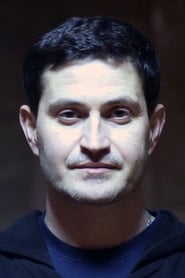
Akhtem Seitablaiev
Akhtem Seitablaiev
Akhtem Seitablaiev
Andrian Zwicker
Andrian Zwicker
Andrian Zwicker
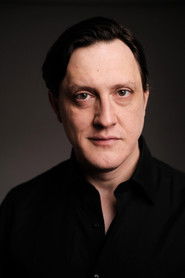
Sebastian Anton
Sebastian Anton
Sebastian Anton
Shevket Seydametov
Shevket Seydametov
Shevket Seydametov

Elzara Batalova
Elzara Batalova
Elzara Batalova
Serhii Detiuk
Serhii Detiuk
Serhii Detiuk
Oleksandr Melnyk
Oleksandr Melnyk
Oleksandr Melnyk

Dmytro Saranskov
Dmytro Saranskov
Dmytro Saranskov
Serhii Dzialyk
Serhii Dzialyk
Serhii Dzialyk
Similar Movies
An expansive Russian drama, this film focuses on the life of revered religious icon painter Andrei Rublev. Drifting from place to place in a tumultuous era, the peace-seeking monk eventually gains a reputation for his art. But after Rublev witnesses a brutal battle and unintentionally becomes involved, he takes a vow of silence and spends time away from his work. As he begins to ease his troubled soul, he takes steps towards becoming a painter once again.
Set during the early part of his reign, Ivan faces betrayal from the aristocracy and even his closest friends as he seeks to unite the Russian people. Sergei Eisenstein's final film, this is the first part of a three-part biopic of Tsar Ivan IV of Russia, which was never completed due to the producer's dissatisfaction with Eisenstein's attempts to use forbidden experimental filming techniques and excessive cost overruns. The second part was completed but not released for a decade after Eisenstein's death and a change of heart in the USSR government toward his work; the third part was only in its earliest stage of filming when shooting was stopped altogether.
During the 12th Century a boy is born to a tribal chief. He is named Temujin, which means "blacksmith." Nine years later, his father is murdered by the Tartars After a long struggle, just when Temujin reclaims tribal chief status, the Merkit tribe kidnaps his wife. In order to fight against the Merkits, Temujin has to use his mother as a pawn in exchange for troops from ally tribes. Temujin manages to rescue his wife only to realise that she is pregnant with the enemy's child. Enduring tremendous anguish, Temujin throws himself into battle against the Tartars and slaughters the leader of the intruders. He eventually takes his wife back and accepts her child. Later on, he begins a campaign to unify all Mongolian tribes. By the age of 40, he is bestowed the title "Genghis Khan", which means "oceanic ruler".
1971, Odesa Film Studio. The KGB studio curator orders a re-edit of just finished movie about the events of Ukraine’s 1920s "civil war" of a young director in line with the Party’s view on the historical events. This re-editing work is entrusted to a young female editor, which consequently realizes she must protect the director’s vision and the safe-guard the truth about her country under Soviet occupation.
A practical joke ends up very wrong in Nigina Sayfullaevas curious youth drama. Two seventeen year old Moscow girls, Olya and Sasha, are visiting Olya's long lost father who lives in Crimea, when they decide to switch places and pretend to be the other person to the father. Little do they know that their joke comes with consequenses that will change their lives forever.
Kharkiv, the 1930s. The heyday of Ukrainian art. Ambitious young poet Vladimir Akimov happily settles in at the new luxury "Slovo" House built specifically for artists. He comes from the provinces and works as a proof-reader in a printing press, and has never even dreamed of living under one roof with prominent Ukrainian writers and artists. He thinks his own poetry is genius, but nobody takes his literary efforts seriously, not to mention the occasional chuckles over his epigone poems. But fate smiles at him. The head of the political intelligence agency suggests that he become the author of a play written earlier. Akimov agrees, signing a non- disclosure note. The poet has no idea what price he will pay for this success. “‘Slovo’ House” is a story about a generation of Ukrainian artists persecuted by the totalitarian system, unfolding against the backdrop of one of the largest genocides of the 20th century: the Holodomor, which caused the death of almost 7 million people.