

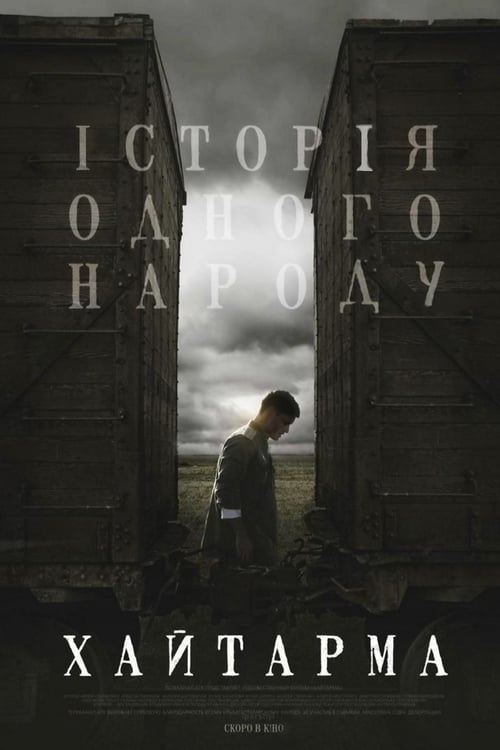
Khaytarma
Drama · History · War
Overview
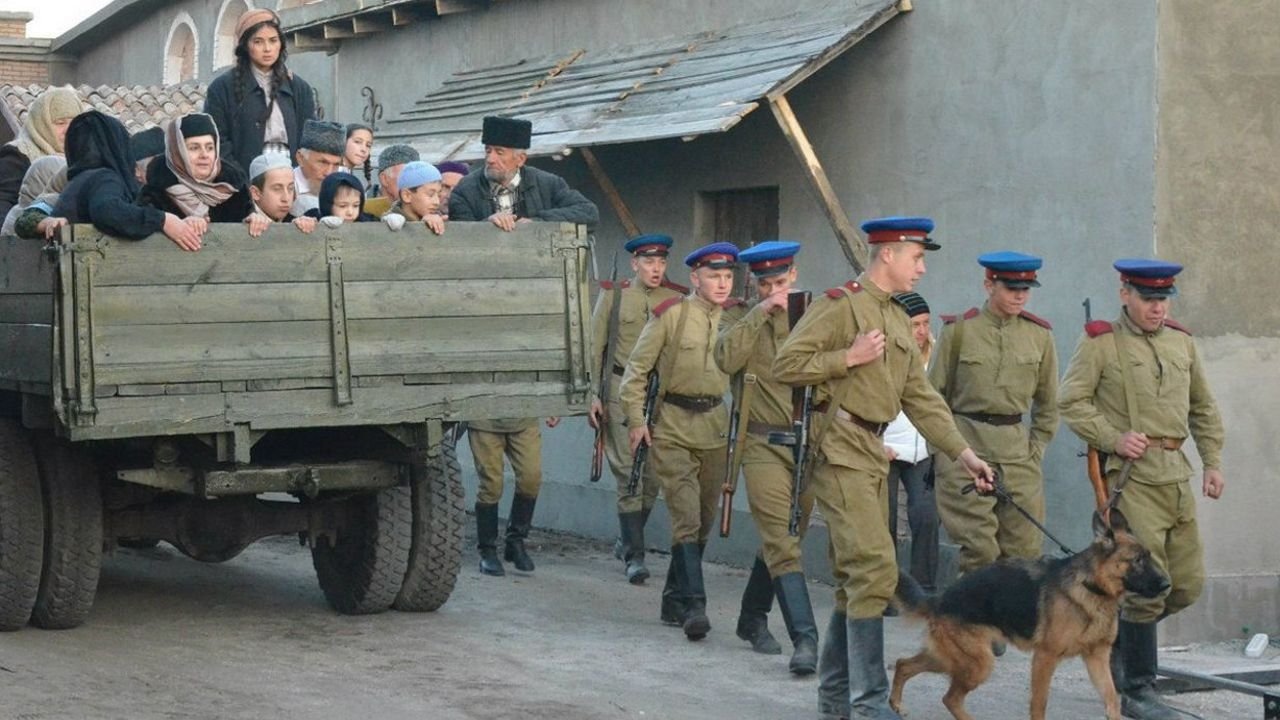
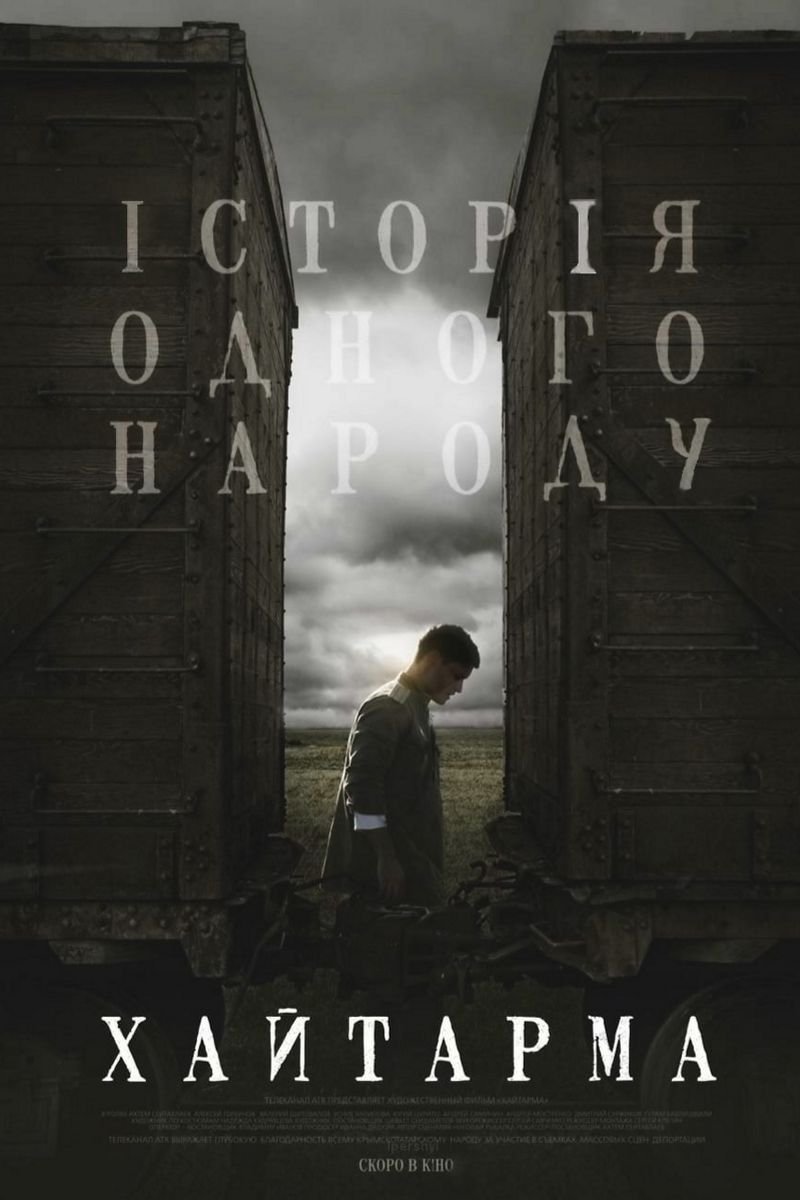
The film tells about the tragic date in the history of the Crimean Tatar people — May 18, 1944 — Stalin’s deportation of the Crimean Tatars. The plot of the film — a pilot, twice Hero of the Soviet Union, Amethan Sultan. In May, 1944, a year after liberation of Sevastopol Amethan goes on vacation to his native town Alupka. On May 18 his eyes witness begining of deportation of the Crimean Tatars.
Top Cast
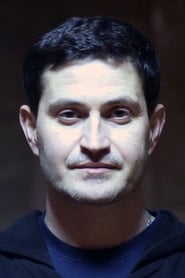
Akhtem Seitablaiev
Amethan Sultan

Oleksiy Horbunov
NKVD Major Krotov

Yuriy Tsurilo
NKVD General Vasilyev

Andrii Saminin
Vladimir Norishkin

Andrii Mostrenko
François de Geoffre
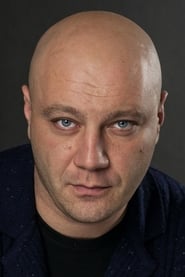
Dmytro Surzhykov
NKVD Captain Trunin

Mykola Boklan
Regiment Commander
Usnie Khalilova
Amethan's Mother

Guram Bablishvili
Martik

Oleksii Trytenko
Mechanic Vanya

Lesia Samaieva
Neighbor Nadya

Daniil Belykh






Akhtem Seitablaiev
Akhtem Seitablaiev
Amethan Sultan
Akhtem Seitablaiev
Amethan Sultan
Oleksiy Horbunov
Oleksiy Horbunov
NKVD Major Krotov
Oleksiy Horbunov
NKVD Major Krotov
Yuriy Tsurilo
Yuriy Tsurilo
NKVD General Vasilyev
Yuriy Tsurilo
NKVD General Vasilyev
Andrii Saminin
Andrii Saminin
Vladimir Norishkin
Andrii Saminin
Vladimir Norishkin
Andrii Mostrenko
Andrii Mostrenko
François de Geoffre
Andrii Mostrenko
François de Geoffre
Dmytro Surzhykov
Dmytro Surzhykov
NKVD Captain Trunin
Dmytro Surzhykov
NKVD Captain Trunin
Mykola Boklan
Mykola Boklan
Regiment Commander
Mykola Boklan
Regiment Commander
Usnie Khalilova
Usnie Khalilova
Amethan's Mother
Usnie Khalilova
Amethan's Mother
Guram Bablishvili
Guram Bablishvili
Martik
Guram Bablishvili
Martik
Oleksii Trytenko
Oleksii Trytenko
Mechanic Vanya
Oleksii Trytenko
Mechanic Vanya
Similar Movies
This is a metaphorical story about the tragic and mysterious death of the most powerful poet of 1960s, human rights activist, hero of Ukraine Vasyl Stus and his struggle with the Soviet system. The events of the film unfold during the last attempt by the KGB to seduce the poet with a whimsical "freedom".
Nazi-occupied Crimea, 1944. A boy named Itzhak turns to Saide Arifova, a local Tatar Muslim woman, for help, explaining that he and a group of other Jewish orphans are hiding from the Nazis. Arifova faces a moral dilemma: should she try to help them or save herself by refusing? Despite the impending danger, she decides to protect the children by hiding them in plain sight, and disguising them as Tatars and adopting them into the local community.
1971, Odesa Film Studio. The KGB studio curator orders a re-edit of just finished movie about the events of Ukraine’s 1920s "civil war" of a young director in line with the Party’s view on the historical events. This re-editing work is entrusted to a young female editor, which consequently realizes she must protect the director’s vision and the safe-guard the truth about her country under Soviet occupation.
Whilst the first shots ring out between pro-Russian government forces and members of the opposition in the winter of 2013, young Nina leaves Crimea. She was raped by a corrupt policeman, her friend was killed, and now she seeks refuge with the protesters on Maidan Square. Revolutionary chaos prevails, and it‘s not at all clear who remains loyal to whom and which means can be regarded as legitimate in the struggle for freedom. Ultimately Nina and her tormentors come face to face again and the spiral of violence is stepped up a further notch. The film was shot to a genuine backdrop, the result of which is a multifaceted allegory on the tragedy currently playing out in Ukraine.
The Red Arrow is the special train No.1 between Leningrad and Moscow. The film is set in the 1980s during perestroika in the Soviet Union. Kropotov (Lavrov) is communist CEO of a big industrial company in Leningrad. He is crafty and successful in getting a major order from the Soviet Government; building an automated assembly line. But his style of management clashes with his subordinates, talented engineers. Their potential is strangled by Kropotov's manipulative control. The government order is not accomplished and Kropotov gets fired. He is rethinking his outdated business style while on the train No.1 to Moscow.
Kharkiv, the 1930s. The heyday of Ukrainian art. Ambitious young poet Vladimir Akimov happily settles in at the new luxury "Slovo" House built specifically for artists. He comes from the provinces and works as a proof-reader in a printing press, and has never even dreamed of living under one roof with prominent Ukrainian writers and artists. He thinks his own poetry is genius, but nobody takes his literary efforts seriously, not to mention the occasional chuckles over his epigone poems. But fate smiles at him. The head of the political intelligence agency suggests that he become the author of a play written earlier. Akimov agrees, signing a non- disclosure note. The poet has no idea what price he will pay for this success. “‘Slovo’ House” is a story about a generation of Ukrainian artists persecuted by the totalitarian system, unfolding against the backdrop of one of the largest genocides of the 20th century: the Holodomor, which caused the death of almost 7 million people.
A practical joke ends up very wrong in Nigina Sayfullaevas curious youth drama. Two seventeen year old Moscow girls, Olya and Sasha, are visiting Olya's long lost father who lives in Crimea, when they decide to switch places and pretend to be the other person to the father. Little do they know that their joke comes with consequenses that will change their lives forever.
The day after his funeral, the corpse of Varlam Aravidze, the mayor of a small Georgian town, turns up in his son's garden. Although it is secretly reburied, the corpse keeps returning until the police capture the local woman who is responsible. This woman says that Varlam should never be laid to rest since his Stalin-like reign of terror led to the disappearance of her family and friends.