

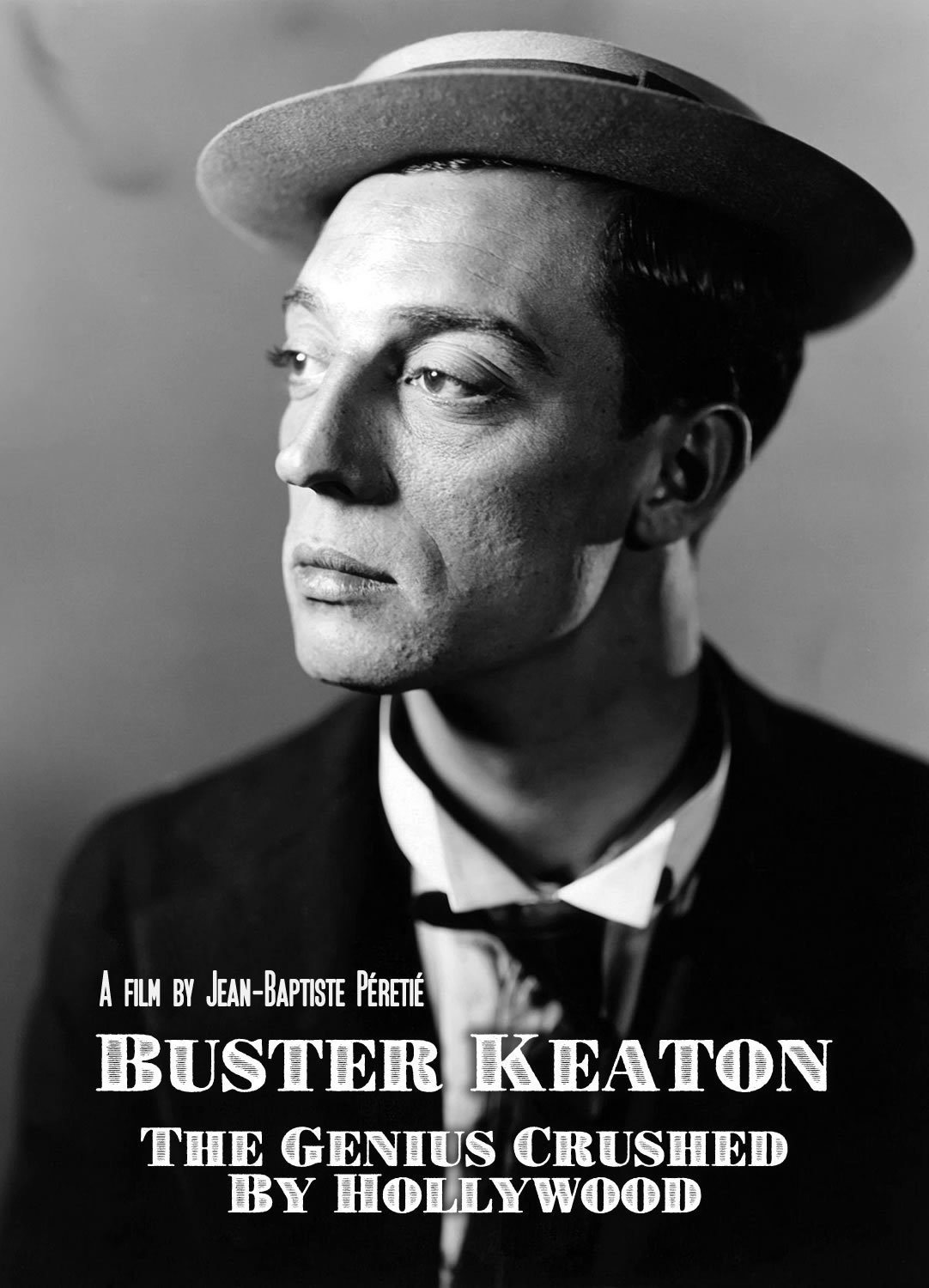
Buster Keaton: The Genius Destroyed by Hollywood
Documentary
Overview
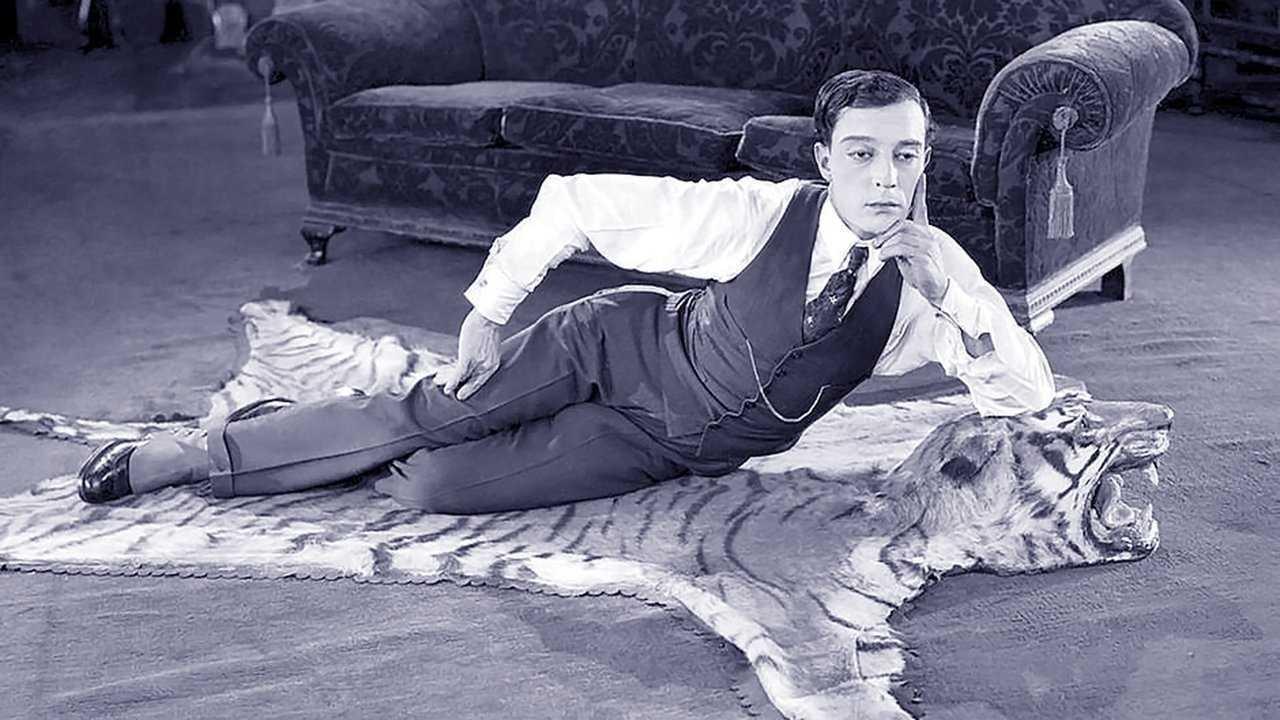
In 1926, Buster Keaton was at the peak of his glory and wealth. By 1933, he had reached rock bottom. How, in the space of a few years, did this uncontested genius of silent films, go from the status of being a widely-worshipped star to an alcoholic and solitary fallen idol? With a spotlight on the 7 years during which his life changed, using extracts of Keaton’s films as magnifying mirrors, the documentary recounts the dramatic life of this creative genius and the Hollywood studios.
Top Cast


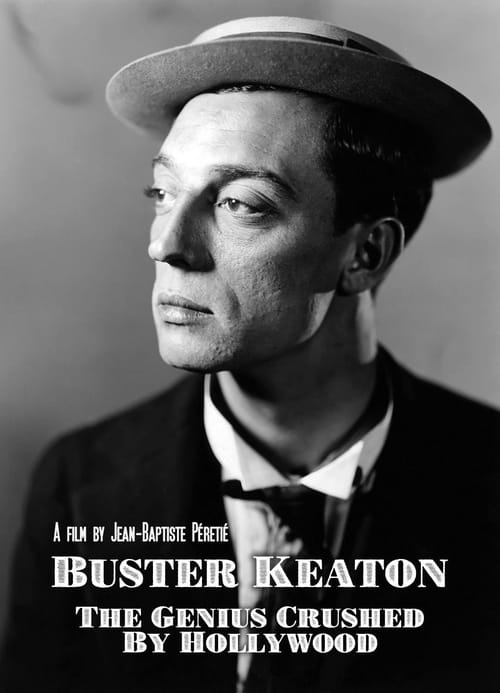

Buster Keaton
Buster Keaton
Self
Buster Keaton
Self
Similar Movies
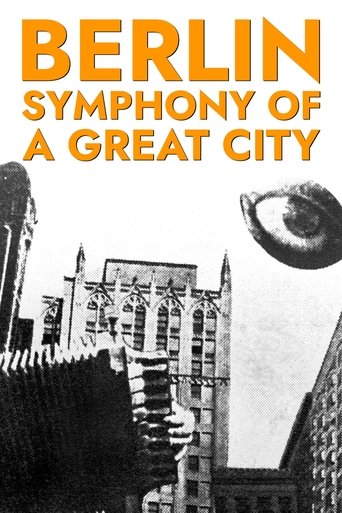
A day in the city of Berlin, which experienced an industrial boom in the 1920s, and still provides an insight into the living and working conditions at that time. Germany had just recovered a little from the worst consequences of the First World War, the great economic crisis was still a few years away and Hitler was not yet an issue at the time.
A fascinating pictorial document: On an old, cluttered work ship, a man is helped on with a bulky, old fashioned diving suit. It's a complicated process, many layers and sections are carefully applied. He goes over the side. Some men row out to what looks like a wrecked barge and set dynamite. Then the diver returns and now laughs and acknowledges the camera. The other men, now safely away, blow up the barge.
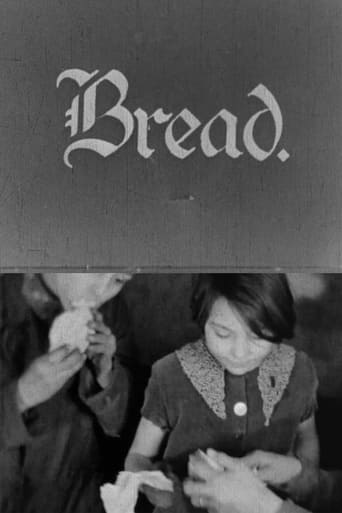
Life on the breadline in the 1930s was hard enough, but times were desperate when you fell beneath it. Hunger marches organised by the National Unemployed Workers' Movement drew attention to the cause, but this left-wing collective picked up a cine-camera. The fictional story at the heart of the film is somewhat melodramatic, but the authentic surroundings give its message realism and weight.

Four visual essays by Silent Echoes author John Bengtson identifying Buster Keaton's shooting locations for his many short films produced between 1920-1923, many in the streets surrounding his former Hollywood studio, the same studio where, a few years earlier, Charlie Chaplin had made his brilliant series of Mutual shorts.

This documentary shows how the Berliner workers lived in 1930. The director Slatan Dudow shows through images: a) the workers leaving the factory; b) the raise of the rents; c) the "unpleasant" guest, meaning the justice officer that brings the eviction notice; d) the fight of classes of the houses of capitalists and working classes; e) the parks of the working class; f) the houses of the working class, origin of the tuberculosis and the victims; g) the playground of the working class; h) the swimming pool for the working class, ironically called the "Baltic Sea" of the working class; i) the effects of humidity of basement where a family lives, with one member deaf; j) one working class family having dinner while the capitalist baths his dog; k) the eviction notice received from an unemployed family and their eviction.
This 10-minute short documentary exploring the shifting state of the American poultry industry was preserved in 2015 from an original nitrate print. More information is available on the film's page in the National Film Preservation Foundation's website, where this version can be found featuring original music by Michael D. Mortilla.