

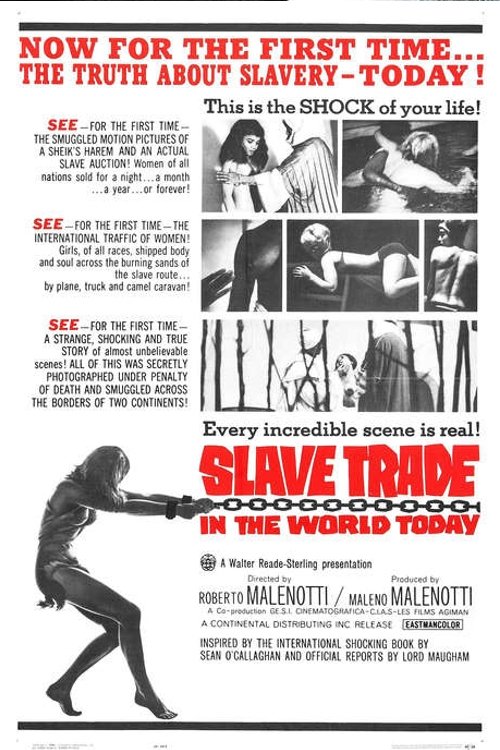
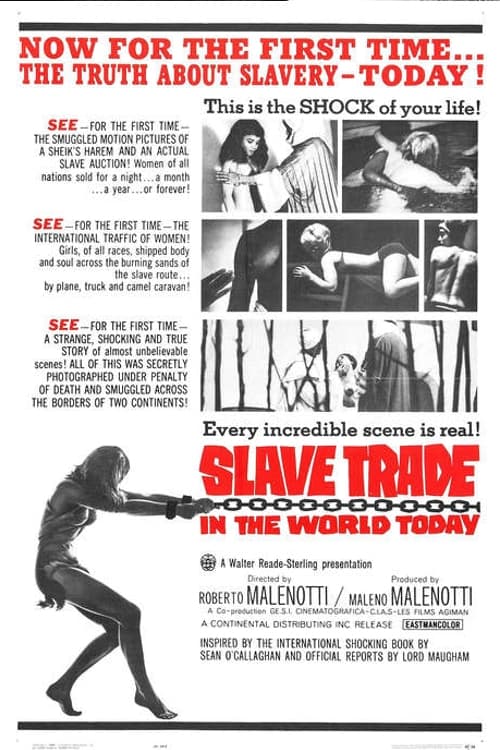
Slave Trade in the World Today
Documentary
Overview
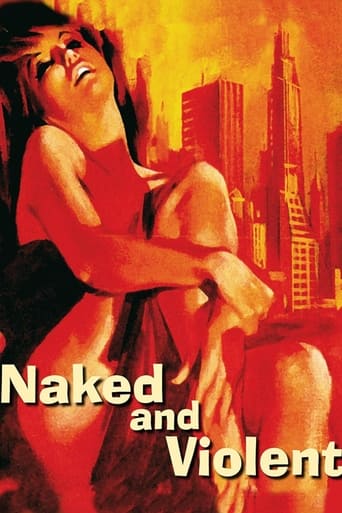
The film documents modern slave trade through a number of African countries, under dictatorship rule. The filming was conducted both in public places, and sometimes with the use of hidden cameras, for high impact scenes of nudity, sex, and violence - and a few surprises, as slaves made out of peregrins to Asia, and slave traders paid in traveller checks.



Robert Lamoureux
Robert Lamoureux
Narrator (French version)
Robert Lamoureux
Narrator (French version)
Robin Maugham
Robin Maugham
Himself
Robin Maugham
Himself

Allen Swift
Allen Swift
Narrator
Allen Swift
Narrator
Similar Movies
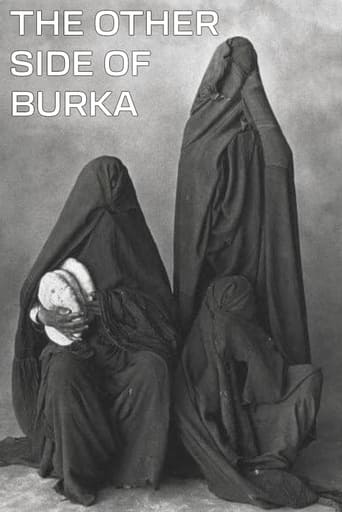
The Other Side of Burka is a 2004 Iranian documentary directed by Mehrdad Oskouei. In the southern island of Qeshm, Iran, which is a very strict region in point of tradition and African-Arabic rules, all women are under the pressure of patriarch society. Their sufferance is manifested by different mental (Zar, Possession) and physical diseases which must be only treated by Zar Ceremony. For the first time, despite the danger these women face, this film tells us the sad story of their life and shows their confection in front of the camera. It tries to be an honest mirror which reflects their sufferance and unveils their Burka to reveal their real characters.
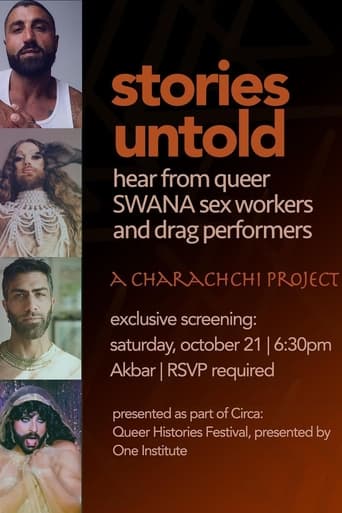
The histories of queer people of color, especially from the SWANA (Southwest Asia/North Africa) region, remains generally unwritten. The lack of this critical representation has served as a guiding axis of Charachchi, a multimedia project created by queer Armenians. "Stories Untold: Meet Queer SWANA Sex Workers and Drag Performers" highlights the stories of queer SWANA sex workers and drag performers, bringing visibility to voices that have remained hidden within mainstream media, history, and cultural spaces.
"Africa Light" - as white local citizens call Namibia. The name suggests romance, the beauty of nature and promises a life without any problems in a country where the difference between rich and poor could hardly be greater. Namibia does not give that impression of it. If you look at its surface it seems like Africa in its most innocent and civilized form. It is a country that is so inviting to dream by its spectacular landscape, stunning scenery and fascinating wildlife. It has a very strong tourism structure and the government gets a lot of money with its magical attraction. But despite its grandiose splendor it is an endless gray zone as well. It oscillates between tradition and modernity, between the cattle in the country and the slums in the city. It shuttles from colonial times, land property reform to minimum wage for everyone. It fluctuates between socialism and cold calculated market economy.