

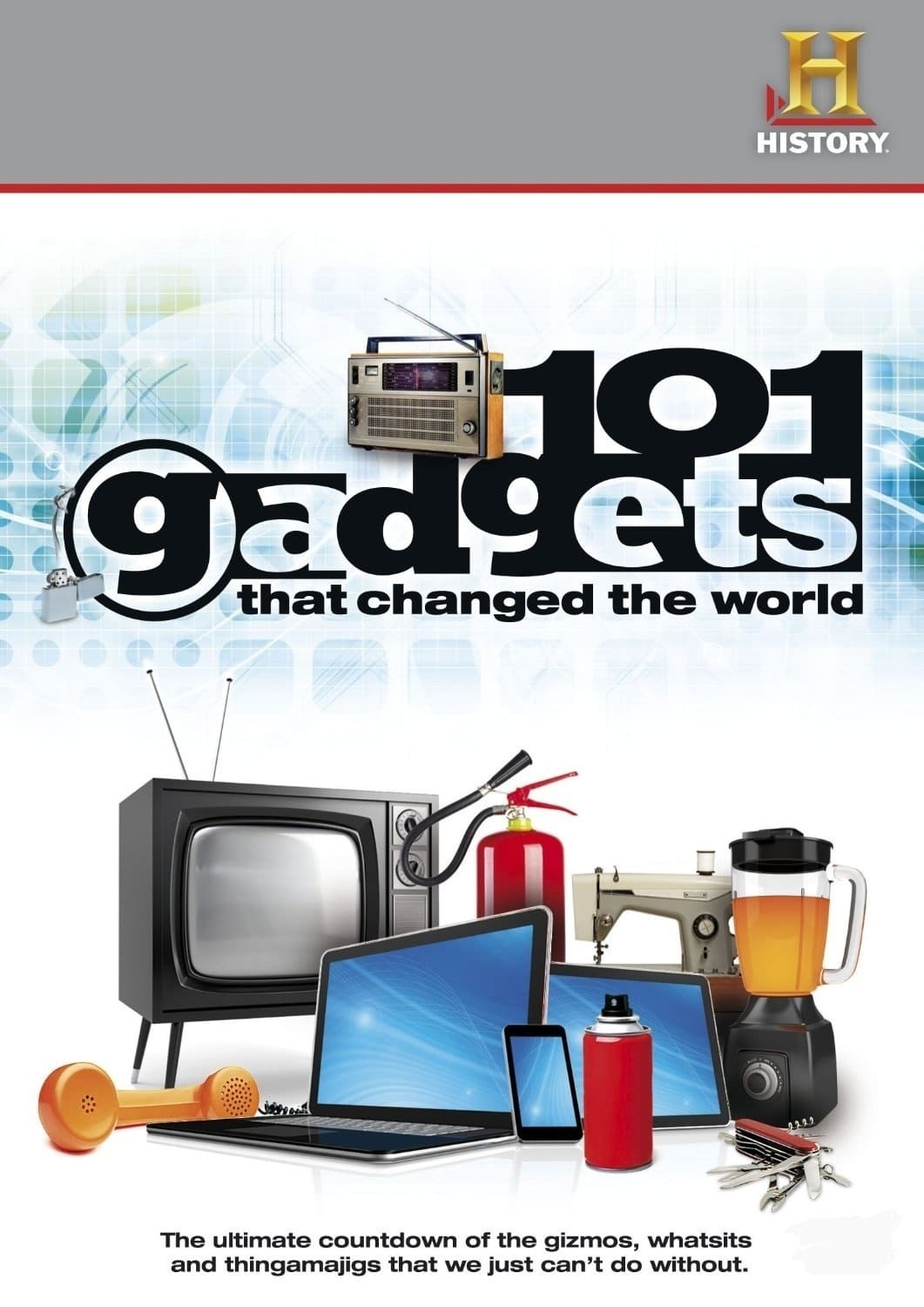
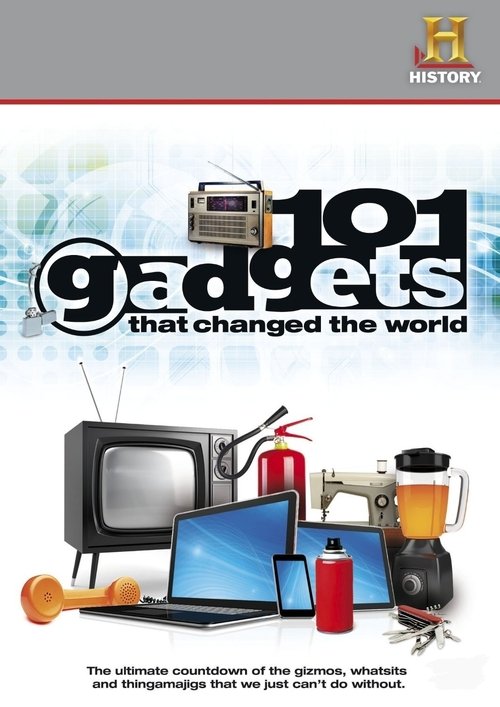
101 Gadgets That Changed the World
Documentary
Overview
The alarm clock. The personal computer. The smartphone. The radio. You know the greatest gadgets of all time (and you’ve probably owned most of them), but which has changed the world more than any other? To make our list of 101, a gadget had to be something you could hold in your hands, mechanical or electronic, and a mass-produced personal item. The rest was up to the judges. Check out our selections.

No cast information.
Similar Movies
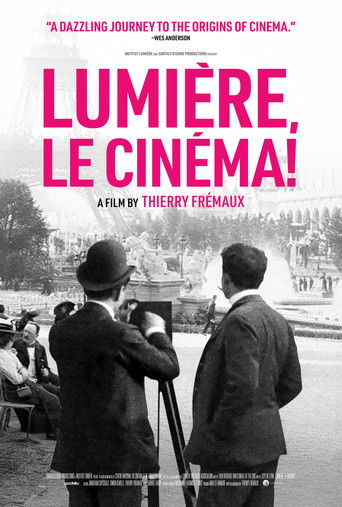
In one of those wonderful coincidences of history, lumière, the French word for “light,” was also the last name of brothers Auguste and Louis, whose brilliant invention, the cinematograph, helped to inaugurate the most beloved art form of the last 130 years. Institute Lumière director Thierry Frémaux uses Lumière, Le Cinema! to guide the viewer through over a hundred shorts—some famous, some forgotten, some never before seen—directed by Lumière and company. In the process, Frémaux illuminates how the brothers employed the camera as a creative instrument as they (and their operators) mastered framing, staging, and subject selection for quotidian and exotic microdocumentaries as well as the first ever fictional motion pictures. The result is not only a glorious re(telling) of the genesis of cinema but a profound meditation on the beautiful world captured—and the mysterious world imagined—by the Lumières.
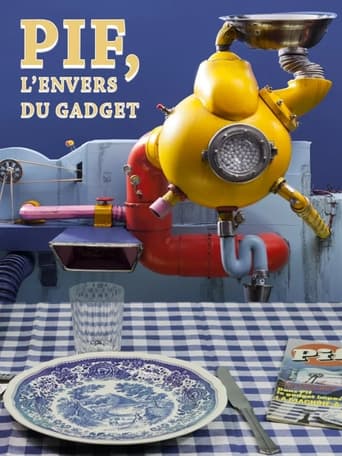
Taking stock of the extraordinary adventure of "Pif Gadget", a French publishing phenomenon of the 1970s-80s and even of the whole history of children's press. For the comic-strip magazine with the iconic dog, created in 1969 by the French Communist Party, often reached a million copies. With editions available for all of Europe (including Germany, under the title Yps), and on both sides of the Iron Curtain.
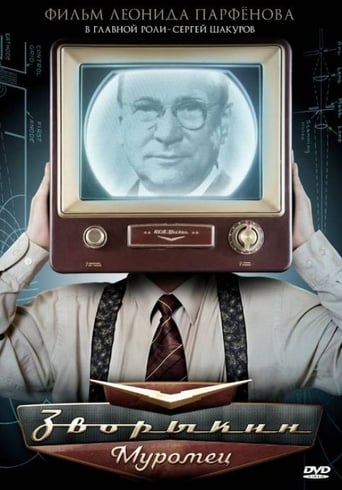
Parfenov's documentary is about a brilliant scientist and engineer, born in Russia, but only known on the other side of the ocean. The invention of modern television changed the history of mankind. The invention has an author, who is almost unknown in his homeland. Vladimir Zworykin, born in Murom, a Russian American, was the person who created distant wireless transmission of images.
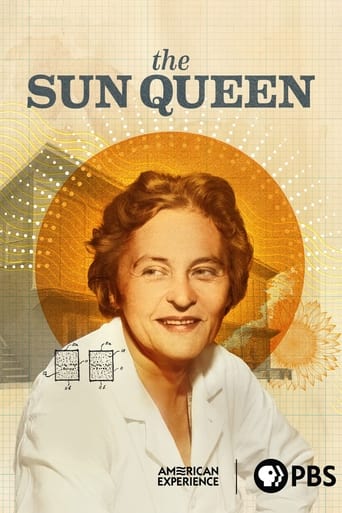
Chemical engineer and inventor Maria Telkes worked for nearly 50 years to harness the power of the sun, designing and building the world's first successful solar-heated modern residence and identifying a new chemical that could store solar heat like a battery. Telkes was undercut and thwarted by her (male) boss and colleagues at MIT, but she persevered. Upon her death in 1995 Telkes held more than 20 patents, and now she is recognized as a visionary pioneer in the field of sustainable energy whose work continues to shape how we power our lives today.

The story of Dr. George Washington Carver (1864-1943), black educator and horticulturist. He is perhaps most well known for developing over 140 products from all parts of the peanut plant, including the shells and husks. He also developed products based on sweet potatoes and soybeans, and developed a cotton hybrid that was named after him.