

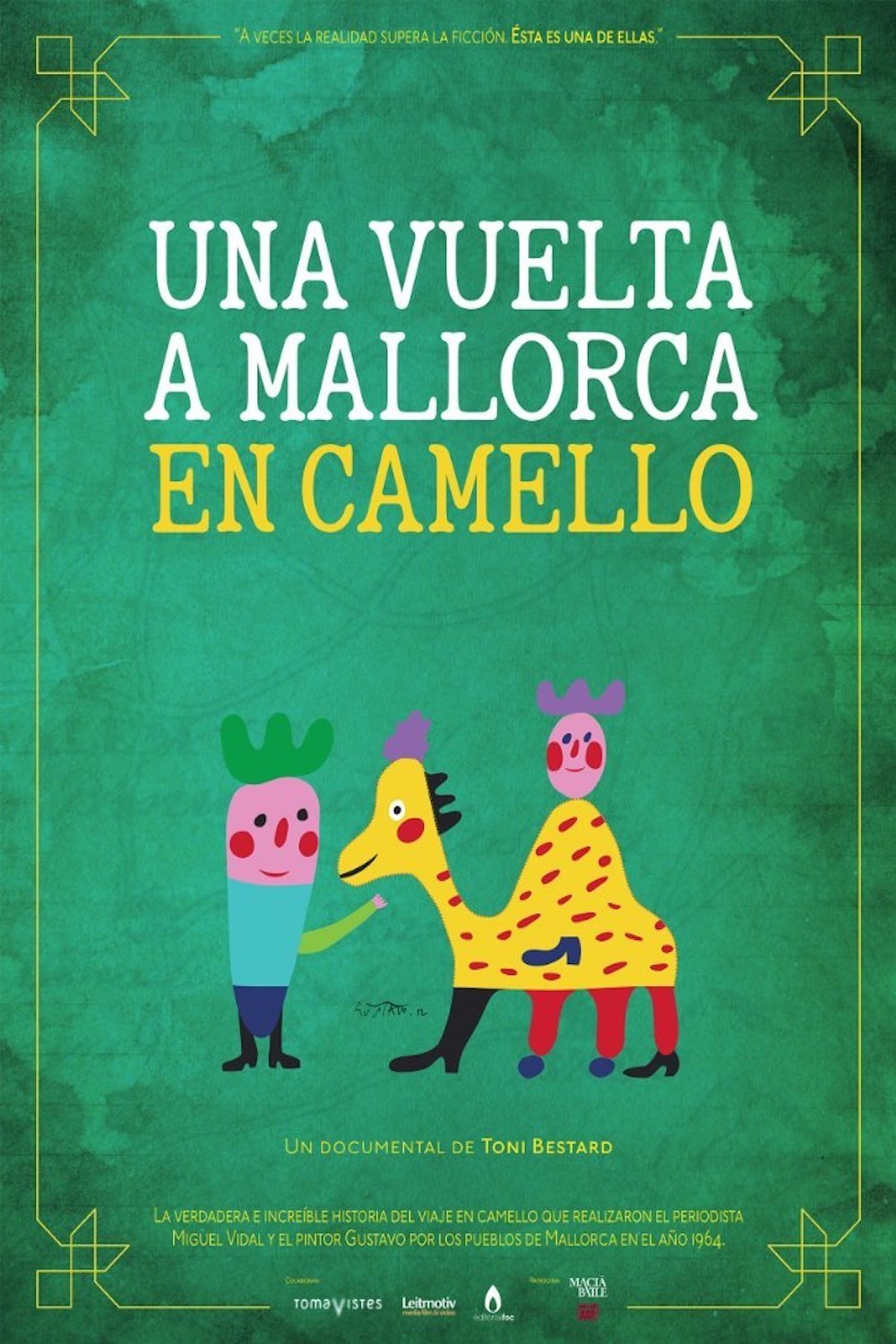
Una vuelta a Mallorca en camello
Documentary
Overview
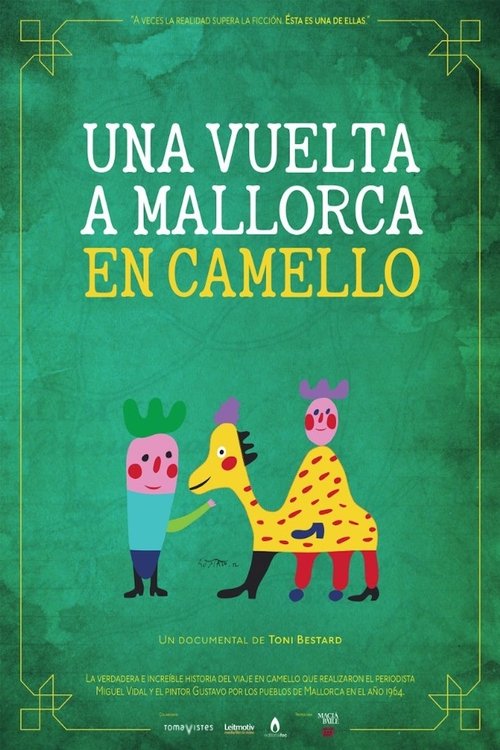
The real story about the camel ride around Mallorca, that journalist Miguel Vidal and painter Gustavo Peñalver did in 1964. Sometimes truth is stranger than fiction. This is one of them.



No cast information.
Similar Movies
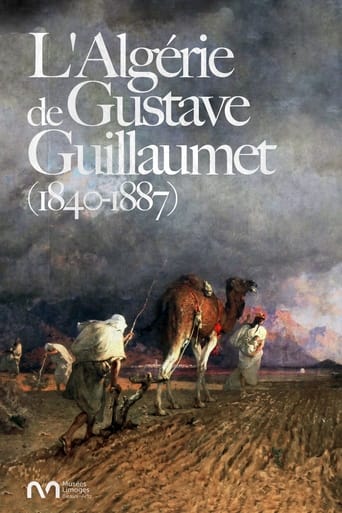
Born on March 25, 1840, Gustave Guillaumet discovered Algeria by chance when he was about to embark for Italy. Over the course of his ten or eleven trips and extended stays, he established a familiarity with this space. Traveling through the different regions from north to south, he never ceases to note the differences. He is also the first artist, apart from Delacroix's Women of Algiers, to penetrate into female interiors and reveal the reality, far removed from the harem fantasies that reigned in his time. Fascinated by the country, its deserts and its inhabitants , going so far as to live like the Algerians, Gustave Guillaumet devoted his life and his painting to this country, breaking with the colorful and exotic representations of the time. The painting The Famine in Algeria, restored thanks to exceptional fundraising, was dictated by the events of the years 1865-1868, and well illustrates his knowledge of the country, in a manner that is at once demanding, sensitive and serious.

The film tells a story of Kosynka, a pregnant mare, and her owner, a battered old man. Kosynka leads the “horse walker,” designed to train young horse to walk steadily and at a pace. Set to a soundtrack of Bach and Russian folk music, this film is another example of a parable-like narrative, which became more popular in Soviet documentary in the early 1970s.
24 hours at the Berlin traffic accident standby service. The frequency of accidents on the streets of the capital of the German Democratic Republic (GDR) becomes apparent, including inappropriate and increased speed, pedestrian errors, failure to give way and driving under the influence of alcohol. Major Busse, the head of the Berlin Traffic Accident Investigation Unit, raises the question of whether the GDR has developed its own kind of driving. The camera provides interesting insights into the carelessness and aggressiveness of road users, which can lead to serious injuries and deaths
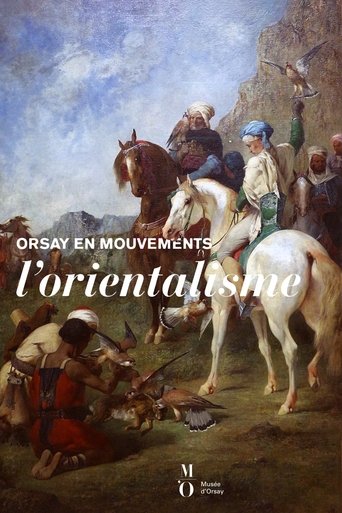
Orientalism is a literary and artistic movement born in Western Europe in the 18th century. Through its scale and popularity, throughout the 19th century, it marked the interest and curiosity of artists and writers for the countries of the West (the Maghreb) or the Levant (the Middle East). Orientalism was born from the fascination of the Ottoman Empire and followed its slow disintegration and the progression of European colonizations. This exotic trend is associated with all the artistic movements of the 19th century, academic, romantic, realistic or even impressionist. It is present in architecture, music, painting, literature, poetry... Picturesque aesthetics, confusing styles, civilizations and eras, orientalism has created numerous clichés and clichés that we still find today in literature or cinema.
This poetic core in youngsters is also touched in Stanukina's less known Your very personal poetry (Свои, совсем особые стихи, 1982), a wonderful film about a poetry class. It is here that one recalls Kogan's admiration of Lyalya's emotional documentary skills. And it is here that one recalls Kosakovsky's depiction of Lyalya as a person of extraordinarily prosperous feelings, sensitive and energetic, childish and female, shrill and quiet. The young poets are marvellously sneaky, respectfully adoring and creatively playing with - maybe even deconstructing - "Aleksandr Sergeevich", Mr. Pushkin, Russia's exclusive trade mark of high culture and literature.
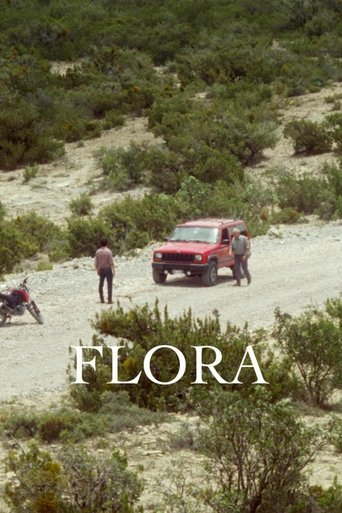
A metacinematic reflection on the nature of representation and the ongoing drug war in Mexico, Nicolás Pereda’s Flora revisits locations and scenes from the mainstream 2010 narco-comedy El Infierno, exploring the paradoxes of depicting narco-trafficking on film—its tendency both to romanticize and to obscure. To screen is both to project and to conceal.