

Gustav III
Drama · History · TV Movie
Overview
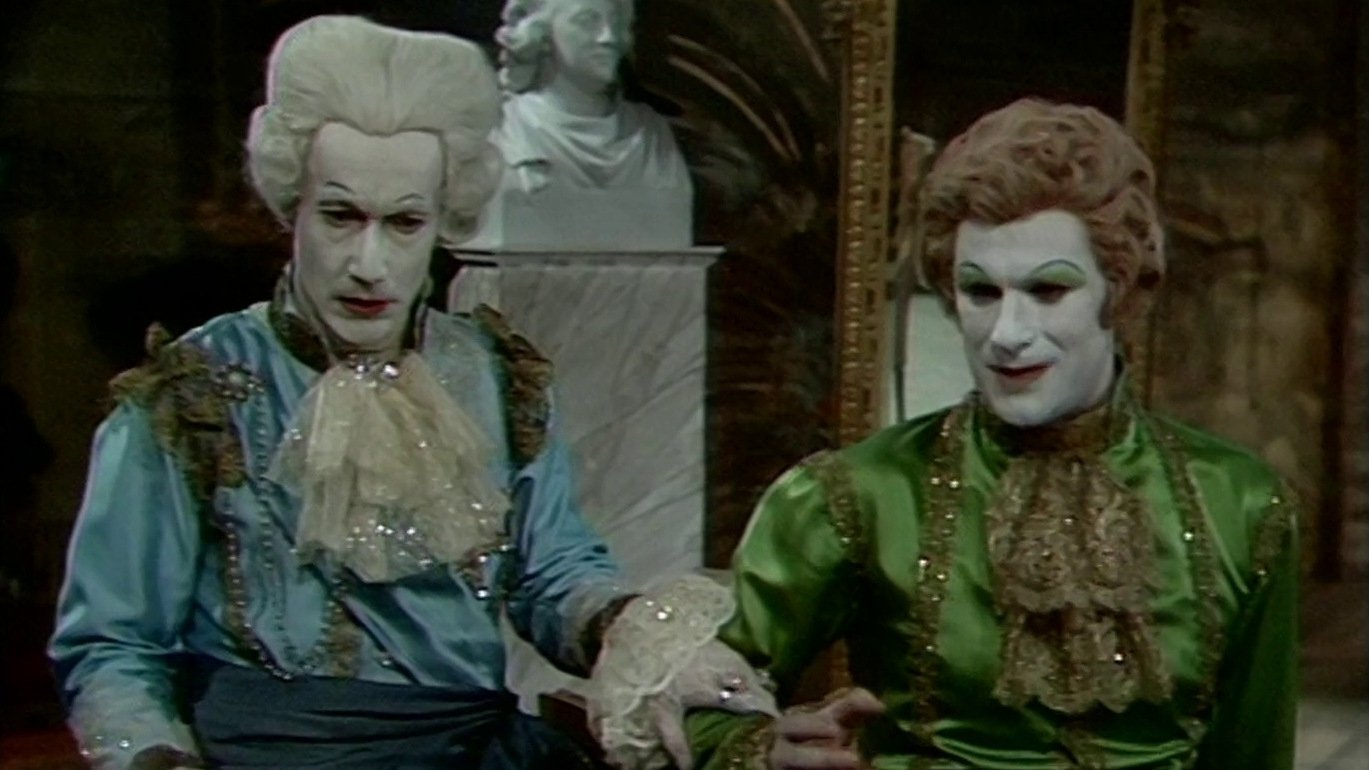
Based on play by famous swedish author/playwright August Strindberg adapted for swedish TV in 70's. It's about the real life assassination on swedish king Gustav III who was killed by a lieutenant Jacob Johan Anckarström who acted on behalf of a group conspirators.



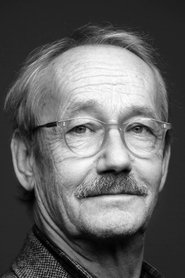
Gösta Ekman
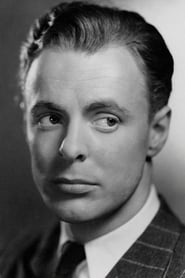
Gösta Ekman
Gustav III
Gösta Ekman
Gustav III
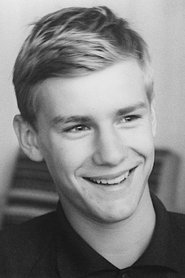
Tomas Bolme
Tomas Bolme
Armfelt
Tomas Bolme
Armfelt
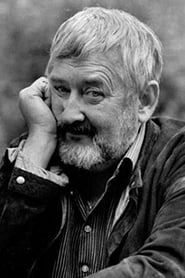
John Harryson
John Harryson
Schröderheim
John Harryson
Schröderheim
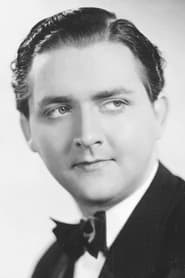
Stig Järrel
Stig Järrel
Pechlin
Stig Järrel
Pechlin
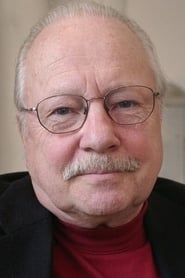
Ingvar Hirdwall
Ingvar Hirdwall
Horn
Ingvar Hirdwall
Horn
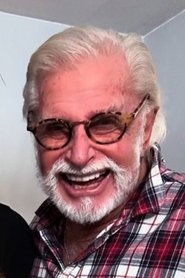
Ulf Brunnberg
Ulf Brunnberg
Ribbing
Ulf Brunnberg
Ribbing
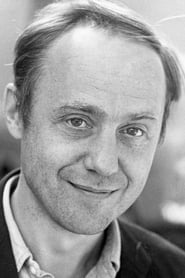
Håkan Serner
Håkan Serner
Anckarström
Håkan Serner
Anckarström
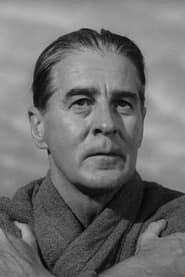
Gunnar Björnstrand
Gunnar Björnstrand
Fersen
Gunnar Björnstrand
Fersen
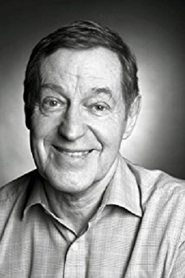
Lars Lind
Lars Lind
De Geer
Lars Lind
De Geer
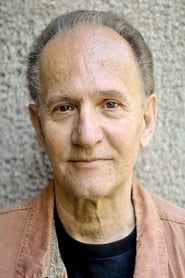
Per Ragnar
Per Ragnar
Munck
Per Ragnar
Munck
Similar Movies
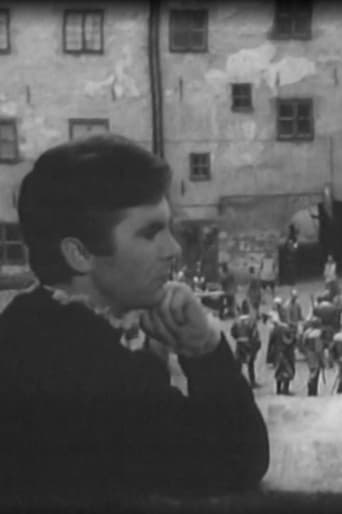
Based on Josef Julius Wecksell's play. The story is set during an era of political unrest in 1590s Sweden, which spills over the Baltic Sea to Finland, then ruled by Sweden. Daniel Hjort, the grim and lonesome assistant to the powerful Fleming family, finds himself caught up between the two opposing parties when Turku Castle is close to coming under siege. In the midst of this, he finds out the truth about the death of his father and sets out on a quest for revenge.
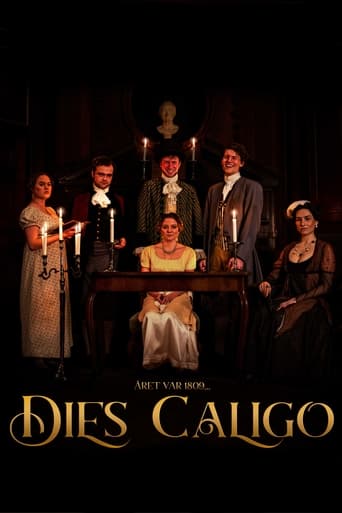
The film takes place in the Swedish capitol Stockholm during the year 1809. War has ravaged Europe continuously for the last seventeen years. The common citizens of Stockholm live in misery as poverty, violence and death dominate the shadowy alleys. A coup feels inevitable and the coming dissolvement of the nation is what's on everyone's lips. In a beautiful salon six nobles are hiding away from it all by partying and socializing. One night the hostess Charlotte reveals to her five guests that she will be forced to sign over her property to one of them, for fear of otherwise losing it to the rebelling antigustavians. A game begins in the candlelit salon. A game of covert intentions, manipulation and mind games as five nobles attempt to find out who of them is best suited to take over the beautfiul estate. Time passes as they're all constantly driven towards their own personal abysses. All meanwhile the sounds of gunshots and yelling echo from beyond the gilded window sills.
“Let us assume that Switzerland is truly a paradise. The music hereto was written long ago. We have merely forgotten it.” (Daniel Schmid) This is the material from which the most Swiss of all operas is made: the legendary Wilhelm Tell – a Swiss hero: straightforward, a primus inter pares of the indomitable freedom fighters, a good shot, surefire. A myth that becomes a poetic playground: nature in turmoil, the struggle for freedom and forbidden love. A legendary overture at a gallop with an iconic post horn motif – all this and much more in the thirty-seventh and last opera by Rossini.
At the height of the cold war a struggle broke out between Governments from all over the world as to which position to take about the system of apartheid in South Africa. Leading the fight was Olof Palmes' Swedish Government, which covertly funneled over US$ 1 billion to the resistance movement. This money was given without the knowledge of either the Parliament or the Swedish populace. At the center of the net in South Africa was a Swedish diplomat called Birgitta Karlström Dorph. Meanwhile at the UN the Swedes with their Scandinavian counterparts attempted to win the argument for economic sanctions. This led to bitter arguments which saw Palme leading the fight against the Reagan and Thatcher administrations.