

Gustav Vasa
Drama · TV Movie · History
Overview
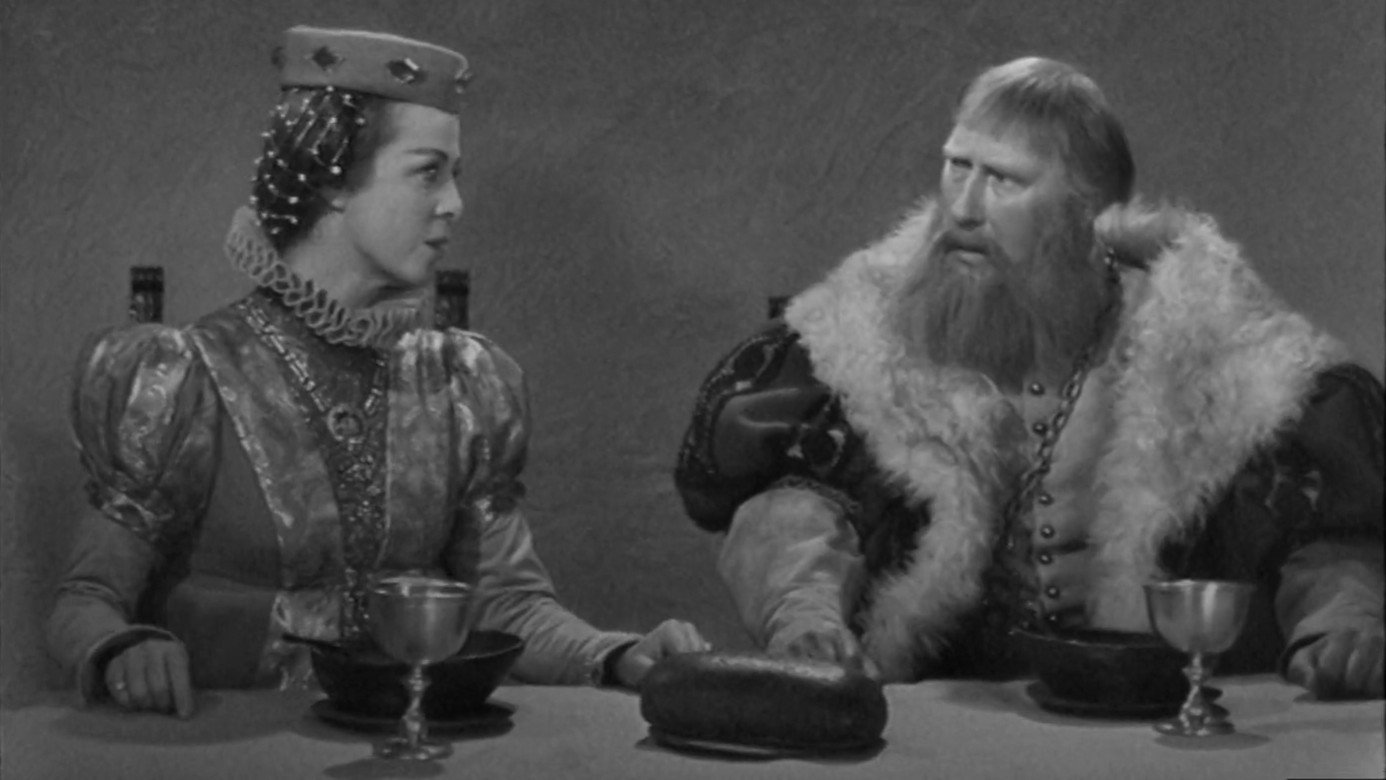
Gustav Vasa struggles to keep power while dealing with the Dacke War in his own country and his foreign debts.
Top Cast


Oscar Ljung
Oscar Ljung
Gustav Vasa
Oscar Ljung
Gustav Vasa
Jan Malmsjö
Jan Malmsjö
Prins Erik
Jan Malmsjö
Prins Erik
Jan-Erik Lindqvist
Jan-Erik Lindqvist
Magister Olaus
Jan-Erik Lindqvist
Magister Olaus
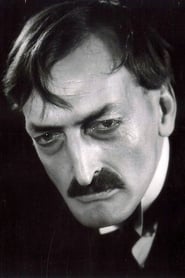
Georg Årlin
Georg Årlin
Herman Israel
Georg Årlin
Herman Israel
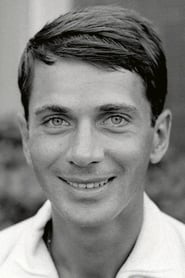
Heinz Hopf
Heinz Hopf
Jakob Israel
Heinz Hopf
Jakob Israel
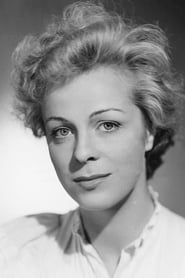
Gunnel Broström
Gunnel Broström
Dronningen
Gunnel Broström
Dronningen
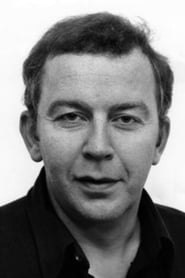
Ove Tjernberg
Ove Tjernberg
Göran Persson
Ove Tjernberg
Göran Persson
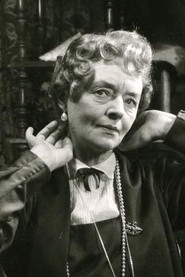
Dagny Stenius
Dagny Stenius
Svärmodern
Dagny Stenius
Svärmodern
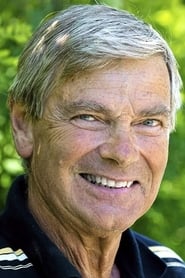
Hans Wahlgren
Hans Wahlgren
Prins Johan
Hans Wahlgren
Prins Johan
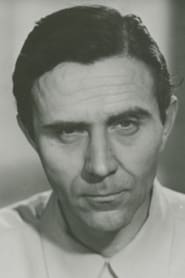
Erik Hell
Erik Hell
Måns Nilsson
Erik Hell
Måns Nilsson
Similar Movies
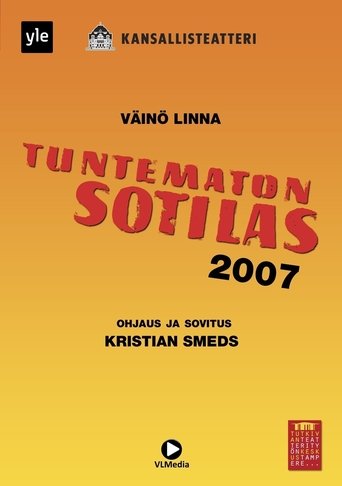
Kristian Smeds's sensational debut at the National Theater. Smeds's adaptation of Väinö Linna's The Unknown Soldier had a powerful impact even on those who had not seen the play. In the National Theater's interpretation, modernity and intensity are strongly present throughout the play. The cast includes Antti Luusuaniemi, Kristo Salminen, and Jaakko Kytömaa.
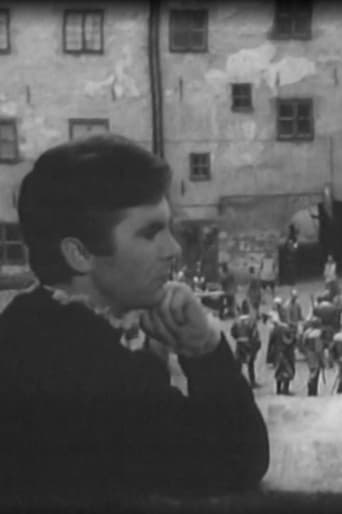
Based on Josef Julius Wecksell's play. The story is set during an era of political unrest in 1590s Sweden, which spills over the Baltic Sea to Finland, then ruled by Sweden. Daniel Hjort, the grim and lonesome assistant to the powerful Fleming family, finds himself caught up between the two opposing parties when Turku Castle is close to coming under siege. In the midst of this, he finds out the truth about the death of his father and sets out on a quest for revenge.
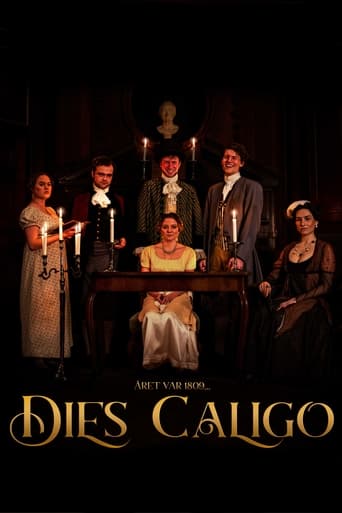
The film takes place in the Swedish capitol Stockholm during the year 1809. War has ravaged Europe continuously for the last seventeen years. The common citizens of Stockholm live in misery as poverty, violence and death dominate the shadowy alleys. A coup feels inevitable and the coming dissolvement of the nation is what's on everyone's lips. In a beautiful salon six nobles are hiding away from it all by partying and socializing. One night the hostess Charlotte reveals to her five guests that she will be forced to sign over her property to one of them, for fear of otherwise losing it to the rebelling antigustavians. A game begins in the candlelit salon. A game of covert intentions, manipulation and mind games as five nobles attempt to find out who of them is best suited to take over the beautfiul estate. Time passes as they're all constantly driven towards their own personal abysses. All meanwhile the sounds of gunshots and yelling echo from beyond the gilded window sills.
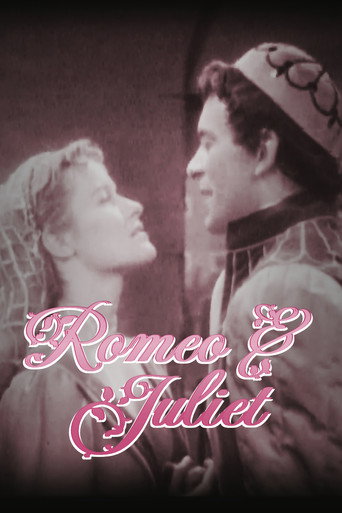
Premiering on BBC as a part of their Sunday-Night Theatre program, this 1955 adaptation of Shakespeare's classic play closely follows the original text. The Montagues and Capulets, two families of Renaissance Italy, have hated each other for years, but the son of one family and the daughter of the other fall desperately in love and secretly marry.
“Let us assume that Switzerland is truly a paradise. The music hereto was written long ago. We have merely forgotten it.” (Daniel Schmid) This is the material from which the most Swiss of all operas is made: the legendary Wilhelm Tell – a Swiss hero: straightforward, a primus inter pares of the indomitable freedom fighters, a good shot, surefire. A myth that becomes a poetic playground: nature in turmoil, the struggle for freedom and forbidden love. A legendary overture at a gallop with an iconic post horn motif – all this and much more in the thirty-seventh and last opera by Rossini.