

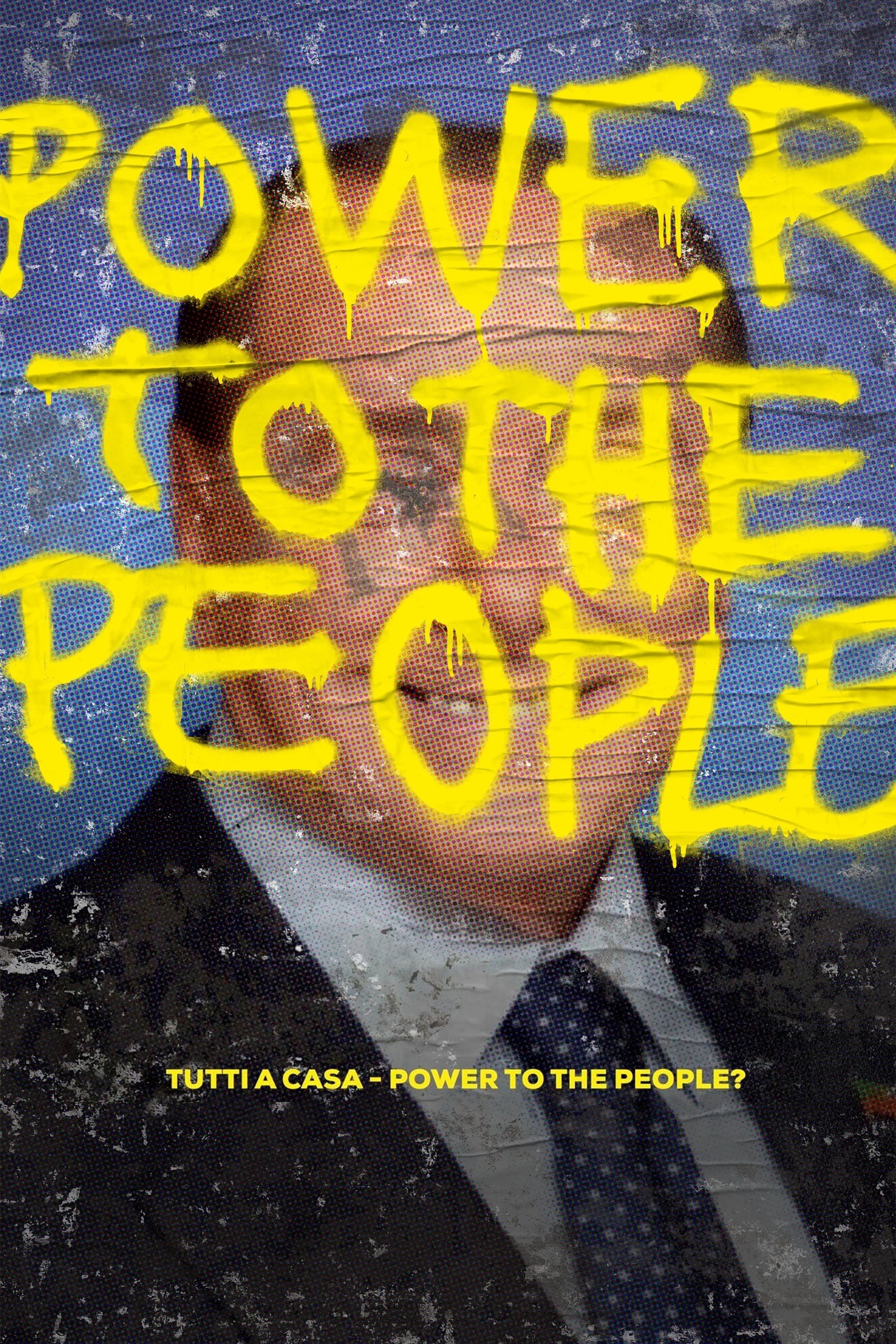
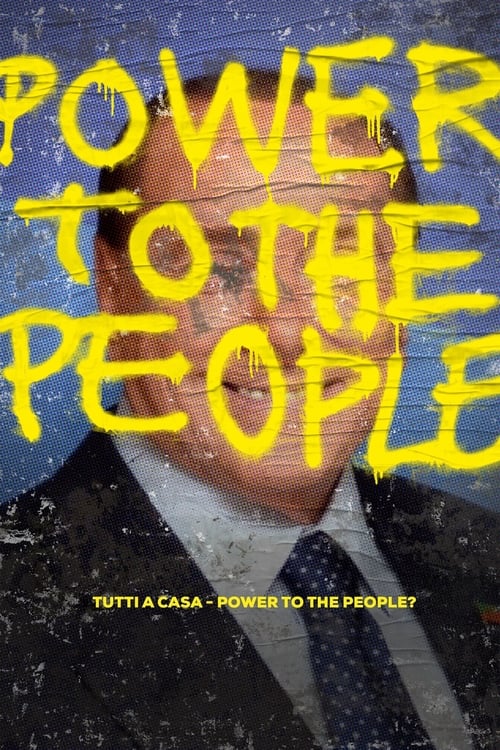
Tutti a casa - Power to the People?
Documentary
Overview
In many Western countries, trust between the people and conventional political parties is at a low point while populist movements are on the rise. In Italy, protest party Movimento 5 Stelle, founded by popular comedian Beppe Grillo, vows to send all politicians home and bring power to the people. They win a stunning 25% votes, becoming the most-voted single party in Italy, but what happens when ideals meet parliamentary reality? Can one be uncompromising and effective at the same time? Are internet referendums direct democracy or faceless mob rule?



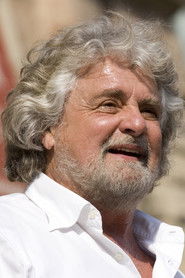
Beppe Grillo
Beppe Grillo
Self
Beppe Grillo
Self
Paola Taverna
Paola Taverna
Self
Paola Taverna
Self
Mario Michele Giarrusso
Mario Michele Giarrusso
Self
Mario Michele Giarrusso
Self
Luis Alberto Orellana
Luis Alberto Orellana
Self
Luis Alberto Orellana
Self
Alberto Airola
Alberto Airola
Self
Alberto Airola
Self
Pier Luigi Bersani
Pier Luigi Bersani
Self
Pier Luigi Bersani
Self
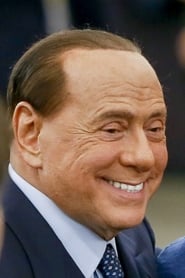
Silvio Berlusconi
Silvio Berlusconi
Self
Silvio Berlusconi
Self
Adele Gambaro
Adele Gambaro
Self
Adele Gambaro
Self
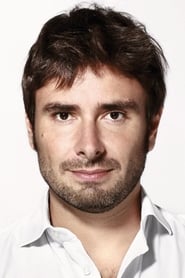
Alessandro Di Battista
Alessandro Di Battista
Self
Alessandro Di Battista
Self
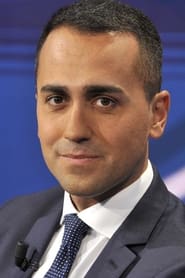
Luigi Di Maio
Luigi Di Maio
Self
Luigi Di Maio
Self
Similar Movies
The last days of Marco Pannella’s life - indomitable and disruptive protagonist over 60 years of Italian political life - shown through never before seen repertory materials, as well as unpublished interviews and illustrious interventions. A deserved portrait, dedicated to one of the most independent figures of the 900 Italian.

CHARBON depicts how Europe was built on fossil fuels over the past 100 years. And how it was torn apart by wars that were the result of these same fossil fuels. During 3 trips to Ukraine, Italy and Iraq, filmmaker Manu Riche explains how he and his French-German family are inseparably connected to the fate of the Iraqi filmmaker and refugee Hayder Helo.
Palermo, Sicily, Italy, 2017. Twenty-five years after the murders of anti-mafia judges Giovanni Falcone, on May 23, 1992, and Paolo Borsellino, on July 19, 1992; and on the occasion of the tributes held in memory of both heroes, skeptical photographer Letizia Battaglia, chronicler of their titanic combat, criticizes the opportunism of shady characters who, like businessman Ciccio Mira, profit from the commemoration of both tragedies.
The work deals with the election campaign of Vladimir Luxuria, the first transgender woman to sit in the Italian Parliament. She started off as an entertainer in gay nightclubs, found fame in television parlours and achieved consecration as a defender of LGBT rights by organising the first World Gay Pride in Rome in the Jubilee year. Luxuria entered parliament and with her emerged a social cross-section of an Italy that is changing in spite of prejudice. Thanks to her social battles around Italy, the voices of LGBT people gain visibility and social recognition
Documentary film about Tony Halme, masculinity and populism. The film follows how Tony Halme created a mythical, highly masculine freestyle wrestling character, The Viking, who gained fame both in the ring and in the public eye and eventually became captivated by it. With his brash speeches, Halme fired the starting shot for the rise of the Finns Party. The voice of a forgotten section of the population, a protest against the ruling elite, were the building blocks of Halme's popularity. Halme's great popularity has served as a good example of a populist figure, admired within the deep ranks of the nation, who comes from outside the political elite and changes the direction of politics. Also, despite - or perhaps because of - his openly racist statements, he was part of changing the political climate in Finland to a more acrimonious one.
Fifteen years ago, social networks were seen as a new democratic ferment that, by promoting the dissemination of information and horizontal communication between citizens, would help people break their chains, from Eastern Europe to the Arab world. The story is different: the assault on the Capitol by Donald Trump's supporters, the chaotic reign of his counterpart Jair Bolsonaro, the offensives targeting Muslims in Narendra Modi's India, or the dazzling success of the racist slogans of Italian League leader Matteo Salvini have highlighted the devastating power on a global scale of the calls to hatred and disinformation that circulate in real time on social media.
The making of patriotic films was not rare among FAI productions, and Il bacio della gloria is one example, together with Armi e amori (1913) and Per la Patria! (1915). In this Speech from the Throne, which opened the 14th Legislature, the King of Italy stressed and underscored with his words the period recalling the story of the glorious conquering of Libya, sending warm greetings to the courageous men who fought, and to the heroes who fell, for the loftiness of their country. In a response worthy of these august words, immediately thereafter Pathé released this patriotic film which tells one of the many stories of courage which bring glory to the Italian flag.