


Documentary
Overview
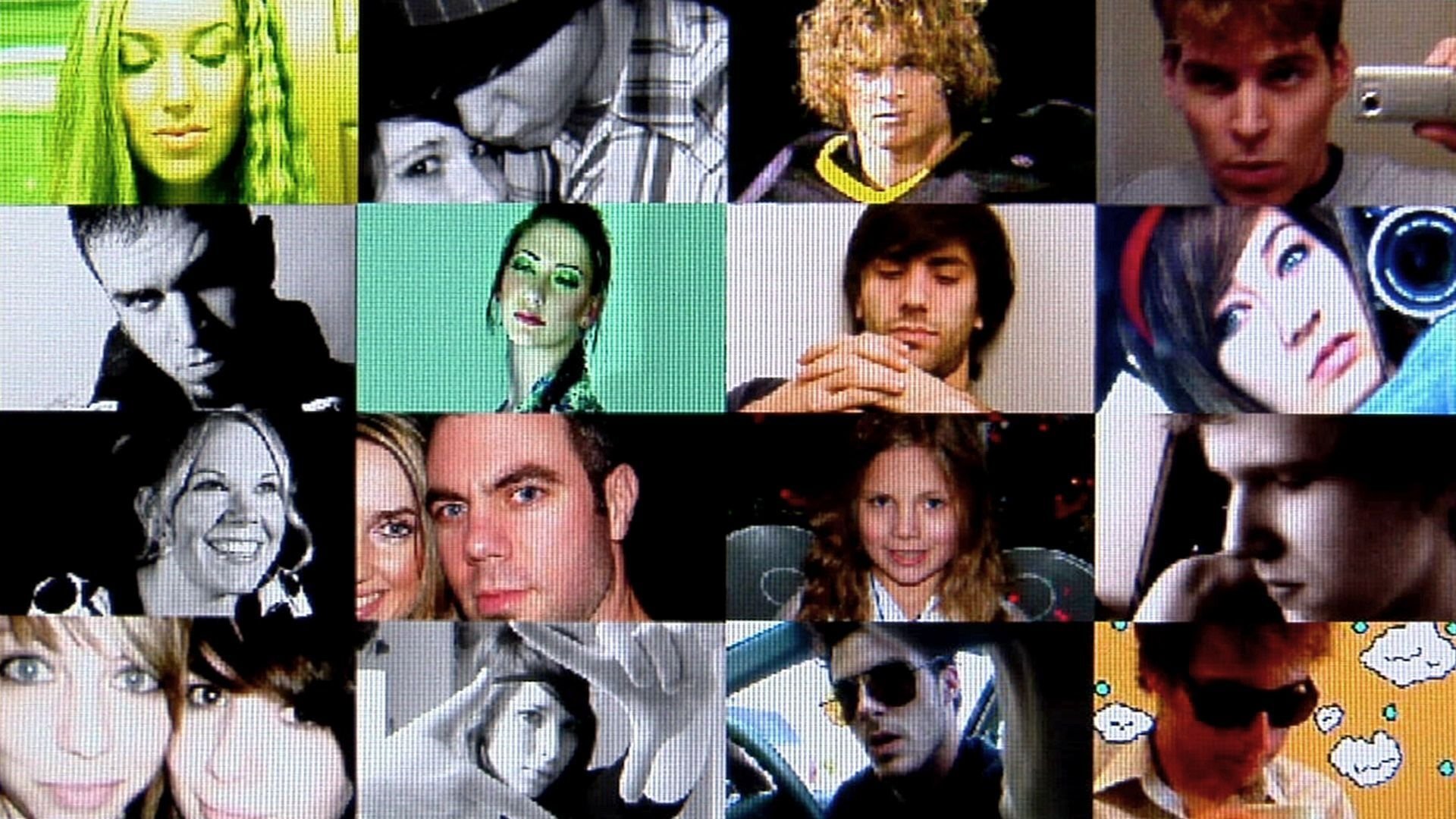
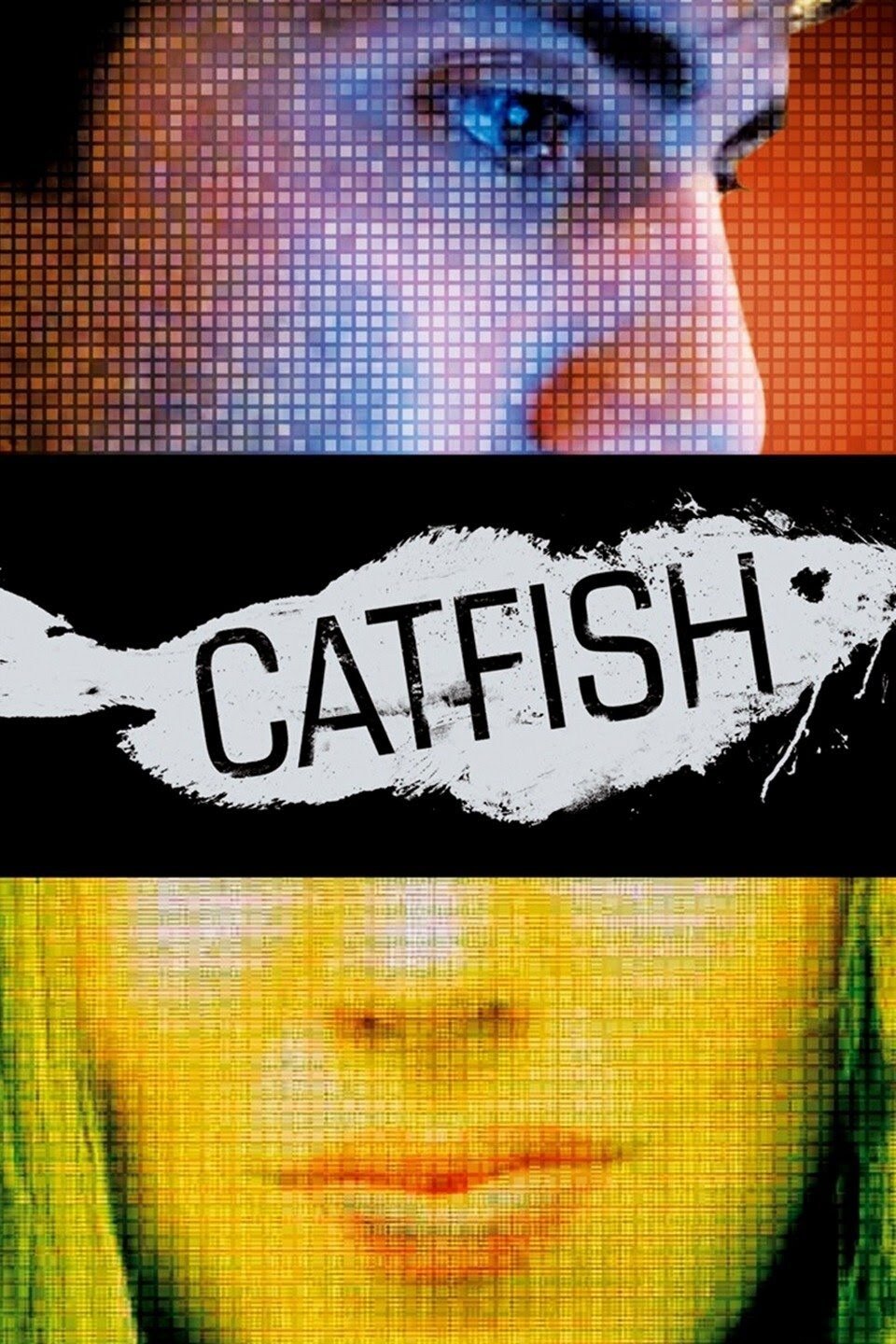
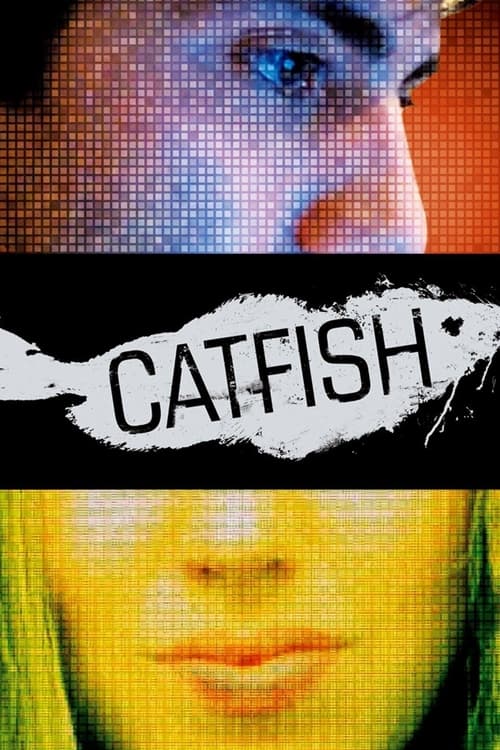
Nev, a 24-year-old New York-based photographer, has no idea what he's in for when Abby, an eight-year-old girl from rural Michigan, contacts him on Facebook, seeking permission to paint one of his photographs. When he receives her remarkable painting, Nev begins a friendship and correspondence with Abby's family. But things really get interesting when he develops a cyber-romance with Abby's attractive older sister, Megan, a musician and model. Prompted by some startling revelations about Megan, Nev and his buddies embark on a road trip in search of the truth.




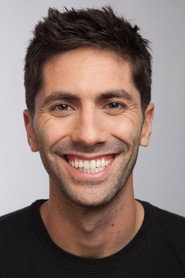
Nēv Schulman
Nēv Schulman
Self
Nēv Schulman
Self
Ariel Schulman
Ariel Schulman
Self
Ariel Schulman
Self
Angela Wesselman-Pierce
Angela Wesselman-Pierce
Self
Angela Wesselman-Pierce
Self
Melody C. Roscher
Melody C. Roscher
Self
Melody C. Roscher
Self

Henry Joost
Henry Joost
Self
Henry Joost
Self
Wendy Whelan
Wendy Whelan
Dancer: Morphoses
Wendy Whelan
Dancer: Morphoses
Craig Hall
Craig Hall
Dancer: Morphoses
Craig Hall
Dancer: Morphoses

Tiler Peck
Tiler Peck
Dancer: Morphoses
Tiler Peck
Dancer: Morphoses
Drew Jacoby
Drew Jacoby
Dancer: Morphoses
Drew Jacoby
Dancer: Morphoses
Rubi Pronk
Rubi Pronk
Dancer: Morphoses
Rubi Pronk
Dancer: Morphoses
Similar Movies
In this spoof of "March of the Penguins," nature footage of penguins near the South Pole gets a soundtrack of human voices. Carl and Jimmy, best friends, walk 70 miles to the mating grounds where the female penguins wait. The huddled masses of females - especially Melissa and Vicki - talk about males, mating, and what might happen this year. Carl, Jimmy, and the other males make the long trek talking about food, fornication and flatulence. Until this year, Carl's sex life has been dismal, but he falls hard for Melissa. She seems to like him. A crisis develops when Jimmy comes upon something soft in the dark. Can friends forgive? Does parenthood await Carl and Melissa?
What question has plagued mankind more than the mystery—and terror—of death? This forbidden pursuit has driven Dr. Frances B. Gröss to the brink of madness, but in his obsession, he has amassed a uniquely comprehensive collection of films that depict life in its final, grueling moments. From the savagery of cold-blooded murder to the perverse realities of war, tragic accidents, and the everyday lives of those who collect, dissect, and bury the dead, this descent into morbidity lays bare a truth that all of us will one day face.
Gory real-life footage of blood and guts on the German Autobahn, drug smugglers getting blown away, a parachutist landing in a crocodile pit, torture and murder in El Salvador, a PCP addict getting stoned, a videotaped rape/murder, a car thief getting ripped apart by two junkyard dogs, and much more.
Contains more than 50 separate scenes of blood-chilling horror, none of which have ever been seen by the public, depicting a cremation, an electrocution, a terrorist destroyed by his own bomb, the massacre of a Columbian wedding party, the drawing and quartering of a Russian peasant and a man-eating tiger turning on its trainer.
State of Bacon tells the kinda real but mostly fake tale of an oddball group of characters leading up to the annual Blue Ribbon Bacon Festival. Bacon-enthusiasts, Governor Branstad, a bacon queen, Hacksaw Jim Duggan, members of PETA, and an envoy of Icelanders are not excluded from this bacon party and during the course of the film become intertwined with the organizers of the festival to show that bacon diplomacy is not dead.
Emerging from the Detroit music scene of the 1970s in a flurry of long hair and sequins, Alice Cooper restored hard rock with a sense of showmanship, while simultaneously striking fear into the hearts of Middle America with the chicken-slaughtering, dead-baby-eating theatrics that would cement his identity as a glam metal icon. Meticulously crafted from rare archival footage, Super Duper Alice Cooper tells the story of the man behind the makeup, Vincent Furnier, the son of a preacher, who got caught in the grip of his own monster.
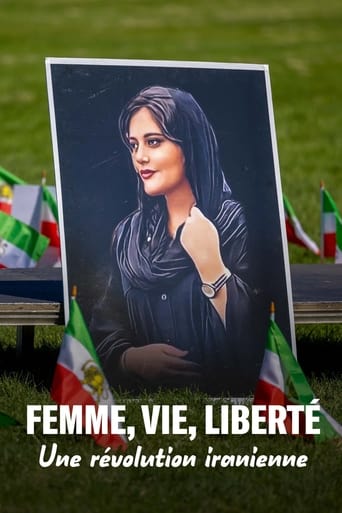
On September 16, 2022, in Teheran, the murder by police of the young Mahsa Amini, arrested for "wearing a headscarf contrary to the law", sparked off an unprecedented insurrection. Within hours, a spontaneous movement formed around the rallying cry: "Woman, life, freedom". For the first time, women, joined by men and students, took the initiative and removed their veils, the hated symbol of the Islamic Republic. The Iranian population, from all regions and social categories, rose up in protest. Social networks went wild. The diaspora (between 5–8 million Iranians) took up the cause, and the whole world discovered the scale of this mobilization: could the theocratic regime be overthrown this time?