

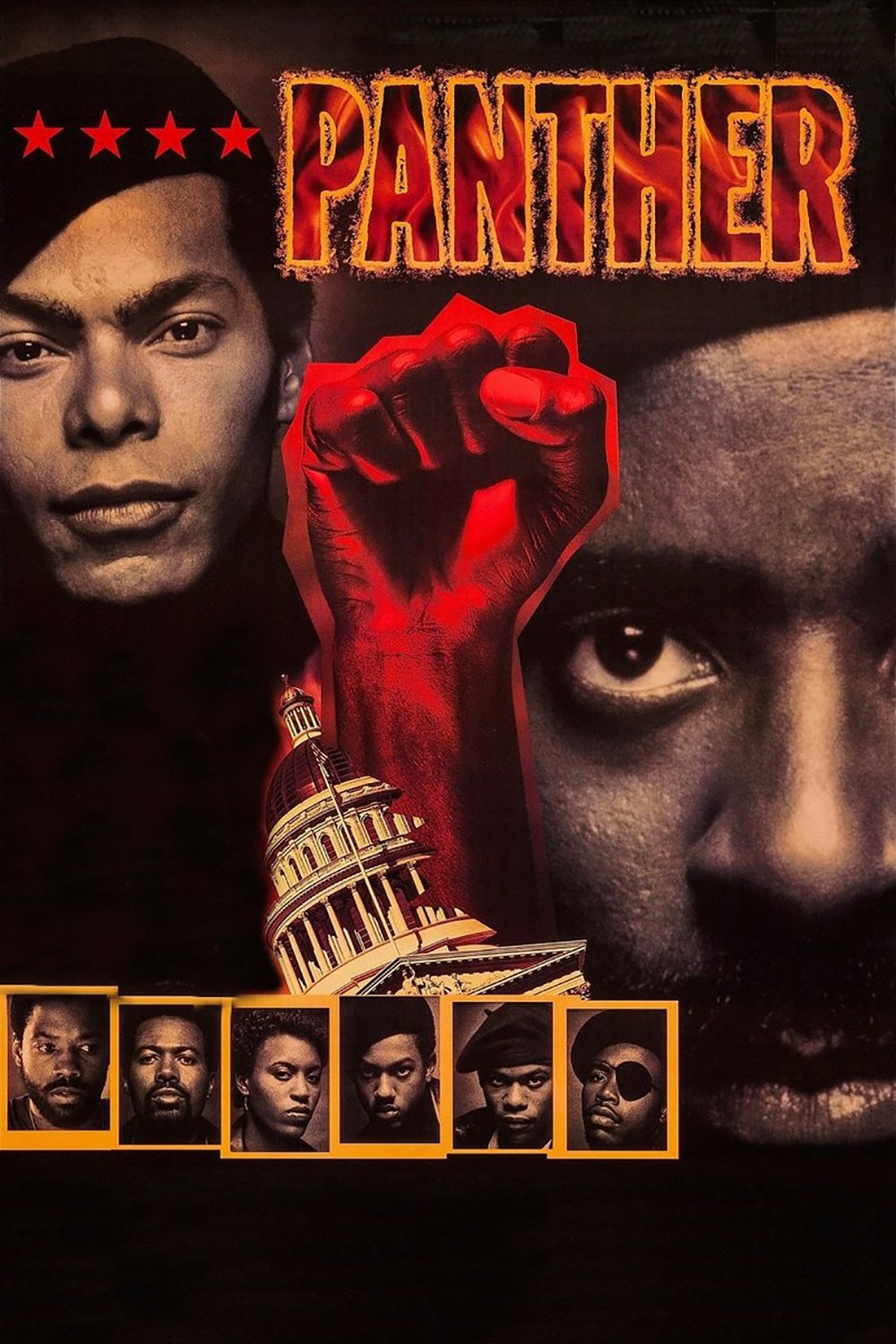
Panther
Drama · History
Overview
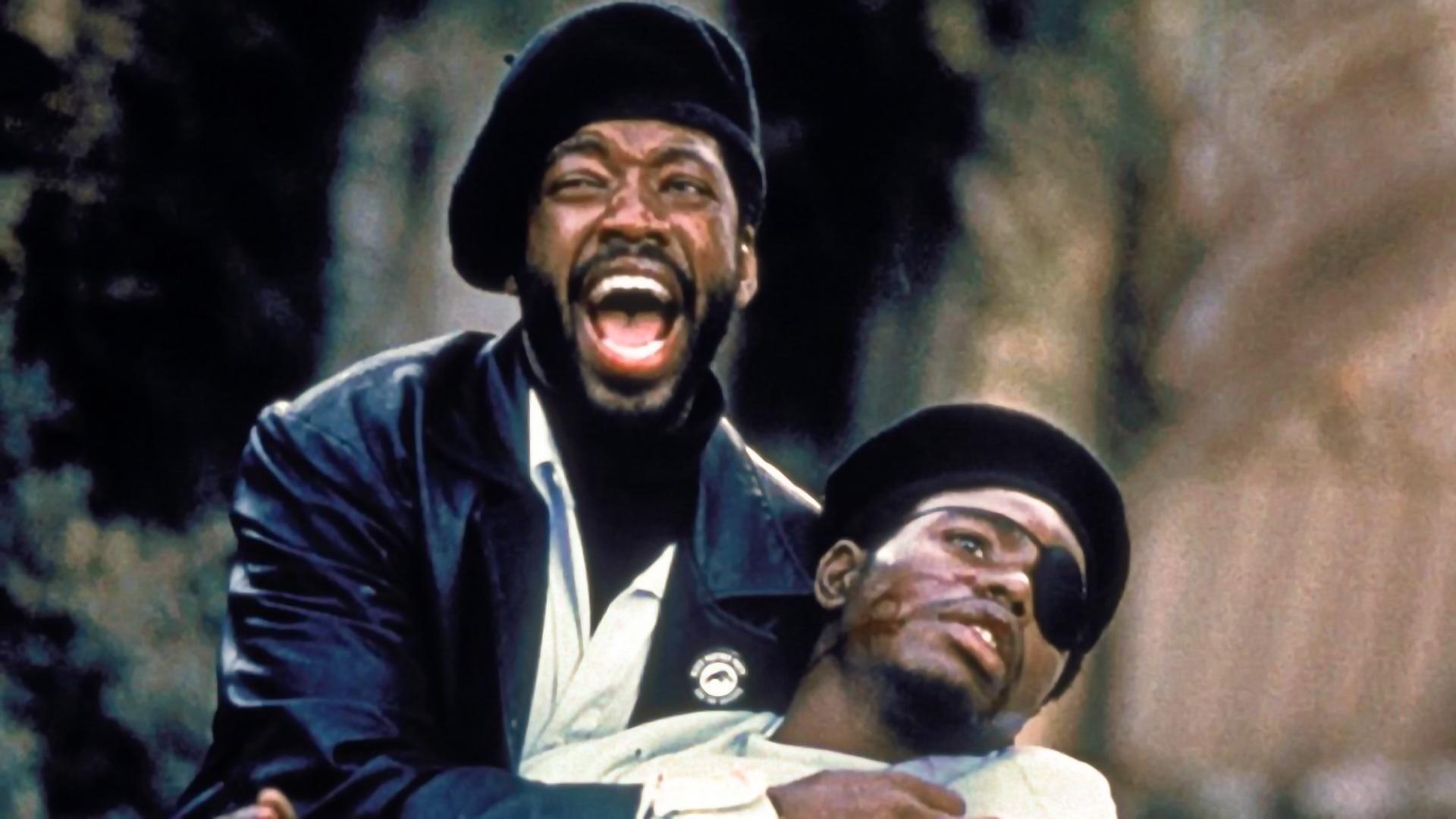
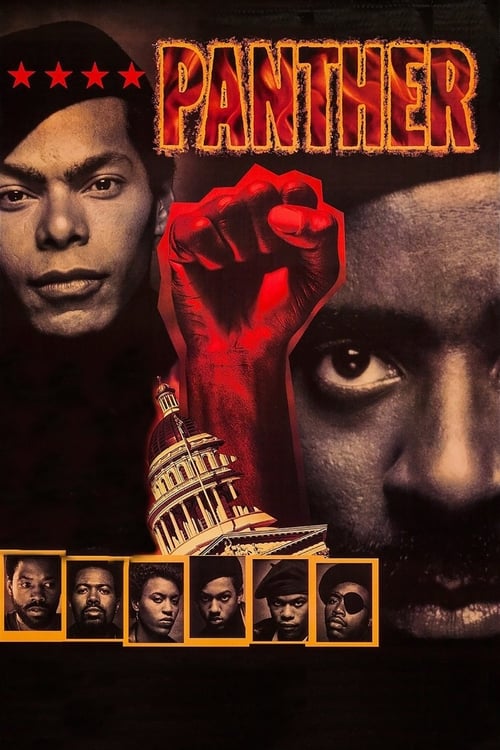
In this sprawling, fictionalized history of the Black Panthers, 1960s Oakland becomes a war zone as the Panthers battle for the right to exist.






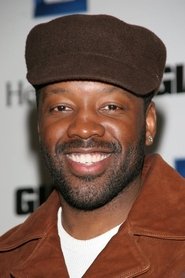
Kadeem Hardison
Kadeem Hardison
Judge
Kadeem Hardison
Judge
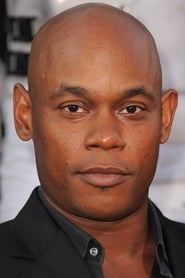
Bokeem Woodbine
Bokeem Woodbine
Tyrone
Bokeem Woodbine
Tyrone
Joe Don Baker
Joe Don Baker
Brimmer
Joe Don Baker
Brimmer
Courtney B. Vance
Courtney B. Vance
Bobby Seale
Courtney B. Vance
Bobby Seale
Tyrin Turner
Tyrin Turner
Cy
Tyrin Turner
Cy

Marcus Chong
Marcus Chong
Huey P. Newton
Marcus Chong
Huey P. Newton
Anthony Griffith
Anthony Griffith
Eldridge Cleaver
Anthony Griffith
Eldridge Cleaver
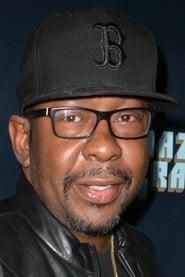
Bobby Brown
Bobby Brown
Rose
Bobby Brown
Rose
Nefertiti
Nefertiti
Alma
Nefertiti
Alma
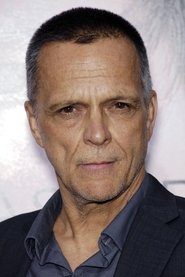
James Russo
James Russo
Rodgers
James Russo
Rodgers
Similar Movies
The Herlihys are a working class family from Chicago whose three children take wildly divergent paths: Brian joins the Marines right out of High School and goes to Vietnam, Michael becomes involved in the civil rights movement and after campaigning for Bobby Kennedy and Eugene McCarthy becomes involved in radical politics, and Katie gets pregnant, moves to San Francisco and joins a hippie commune. Meanwhile, the Taylors are an African-American family living in the deep South. When Willie Taylor, a minister and civil rights organizer, is shot to death, his son Emmet moves to the city and eventually joins the Black Panthers, serving as a bodyguard for Fred Hampton.
After growing up during the tumultuous 1960s, ex-Black Panther Marcus returns to his home in Philadelphia in 1976 and reconnects with Pat, the widow of a Panther leader. Marcus befriends Pat's young daughter and attempts to conquer his demons. Interfering with Marcus's good intentions are the neighborhood's continuing racial and social conflicts, as well as old enemies and friends -- both with scores to settle.
Cecil Gaines was a sharecropper's son who grew up in the 1920s as a domestic servant for the white family who casually destroyed his. Eventually striking out on his own, Cecil becomes a hotel valet of such efficiency and discreteness in the 1950s that he becomes a butler in the White House itself. There, Cecil would serve numerous US Presidents over the decades as a passive witness of history with the American Civil Rights Movement gaining momentum even as his family has troubles of its own. As his wife, Gloria, struggles with alcoholism and his defiant eldest son, Louis, strives for a just world, Cecil must decide whether he should take action in his own way.
A former leader in the Black Lion Party for International Solidarity shares his story of found family, loss, and transcendence. Shot over the course of two months, this short documentary provides a glimpse into the dynamics of modern American revolutionary movements. Jeremias' film captures a very brief, but important period of transition for the Black Panther Party in the 2020s.
New York City, October 10, 1965. A group of wooden giant figures from Pamplona, representing Basque culture and traditions, parade down the street; but the local authorities have not allowed the appearance of all of them: due to the racial prejudices that persist in many sectors of society, the participation of two black giants has been banned.
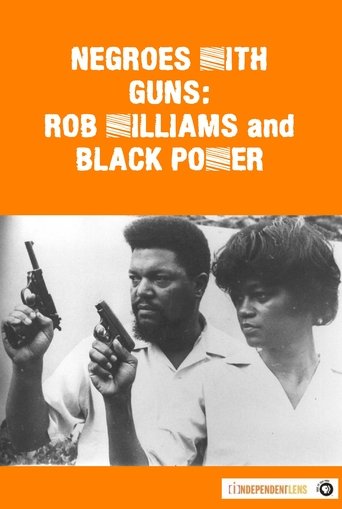
Rob Williams was an African-American living in Monroe, North Carolina in the 1950s and 1960s. Living with injustice and oppression, many African-Americans advocated a non-violent resistance. Williams took a different tack, urging the oppressed to take up arms. Williams was stripped of his rank as leader of the local NAACP chapter, but he continued to encourage local African-Americans to carry weapons as a means of self-defense. Wanted on a kidnapping charge, Williams and his wife fled to Cuba. His radio show Radio Free Dixie could be heard in some parts of the United States.
In the early 60s, Bernward Vesper and fellow university student Gudrun Ensslin begin a passionate love in the stifling atmosphere of provincial West Germany. Dedicated to the power of the written word, Bernward and Gudrun found a publishing house whose first publication is, paradoxically to many, a controversial past work of Bernward's ostracized father, an infamous Nazi author. Bernward defends his father's writing ability, even if he is haunted by his father's suspicious past.
Examines the evolution of the Black Power Movement in US society from 1967 to 1975. It features footage of the movement shot by Swedish journalists in the United States during that period and includes the appearances of Angela Davis, Bobby Seale, Huey P. Newton, Eldridge Cleaver, and other activists, artists, and leaders central to the movement.