

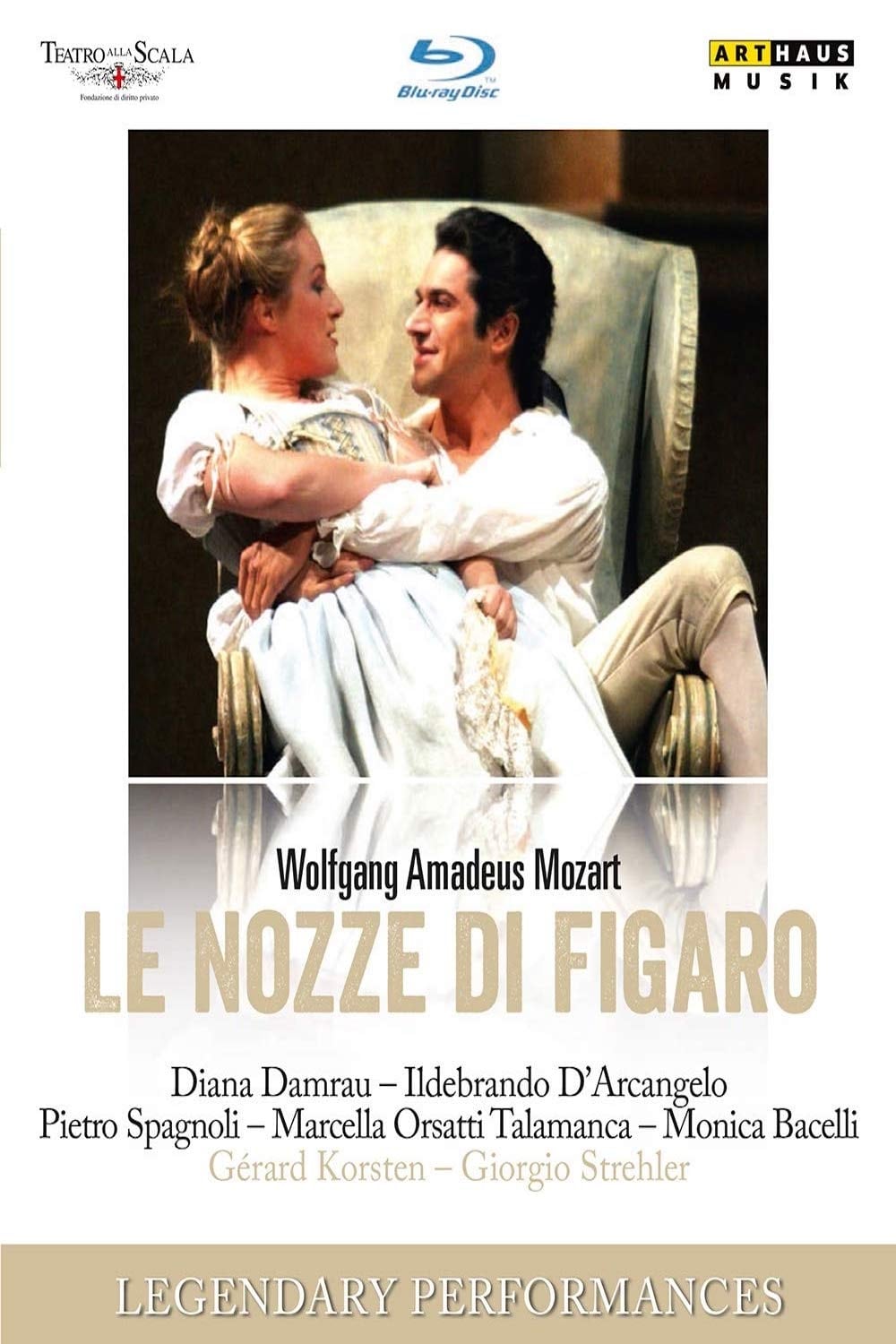
The Marriage of Figaro
Comedy
Overview
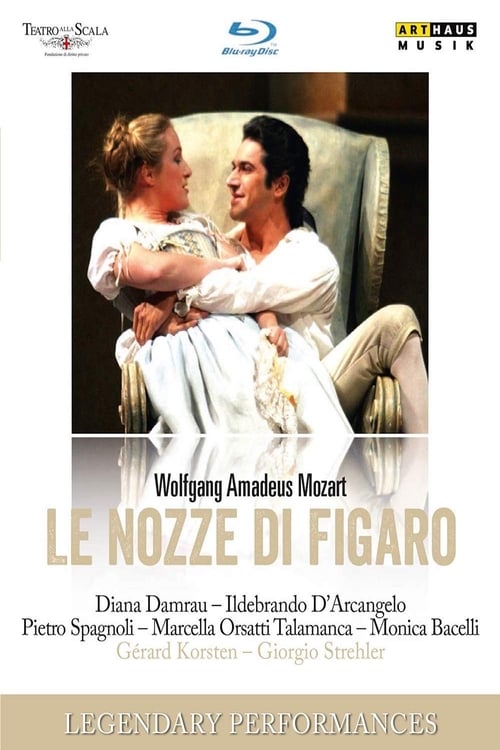
Diana Damrau, Ildebrando D'Arcangelo, Pietro Spagnoli, Marcella Orsatti Talamanca, and Monica Bacelli star in this La Scala production of the Mozart opera conducted by Gerard Korsten and directed by Giorgio Strehler.
Top Cast
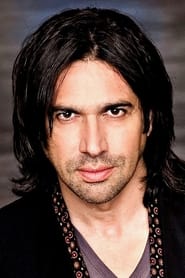
Ildebrando d'Arcangelo
Figaro
Pietro Spagnoli
Il Conte di Almaviva
Marcella Orsatti Talamanca
La Contessa di Almaviva
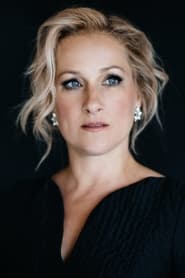
Diana Damrau
Susanna
Monica Bacelli
Cherubino
Jeannette Fischer
Marcellina
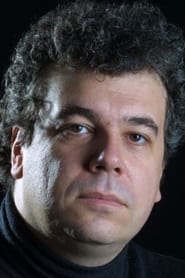
Maurizio Muraro
Bartolo
Gregory Bonfatti
Basilio
Oriana Kurteshi
Barbarina
Gerard Korsten
Conductor
Orchestra della Scala
Ildebrando d'Arcangelo
Ildebrando d'Arcangelo
Figaro
Ildebrando d'Arcangelo
Figaro
Pietro Spagnoli
Pietro Spagnoli
Il Conte di Almaviva
Pietro Spagnoli
Il Conte di Almaviva
Marcella Orsatti Talamanca
Marcella Orsatti Talamanca
La Contessa di Almaviva
Marcella Orsatti Talamanca
La Contessa di Almaviva
Diana Damrau
Diana Damrau
Susanna
Diana Damrau
Susanna
Monica Bacelli
Monica Bacelli
Cherubino
Monica Bacelli
Cherubino
Jeannette Fischer
Jeannette Fischer
Marcellina
Jeannette Fischer
Marcellina
Maurizio Muraro
Maurizio Muraro
Bartolo
Maurizio Muraro
Bartolo
Gregory Bonfatti
Gregory Bonfatti
Basilio
Gregory Bonfatti
Basilio
Oriana Kurteshi
Oriana Kurteshi
Barbarina
Oriana Kurteshi
Barbarina
Gerard Korsten
Gerard Korsten
Conductor
Gerard Korsten
Conductor
Similar Movies
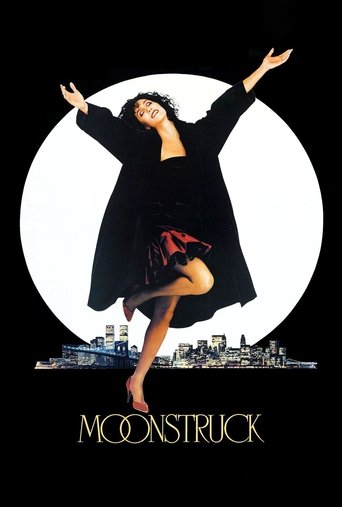
37-year-old Italian-American widow Loretta Castorini believes she is unlucky in love, and so accepts a marriage proposal from her boyfriend Johnny, even though she doesn't love him. When she meets his estranged younger brother Ronny, an emotional and passionate man, she finds herself drawn to him. She tries to resist, but Ronny, who blames his brother for the loss of his hand, has no scruples about aggressively pursuing her while Johnny is out of the country. As Loretta falls for Ronny, she learns that she's not the only one in her family with a secret romance.
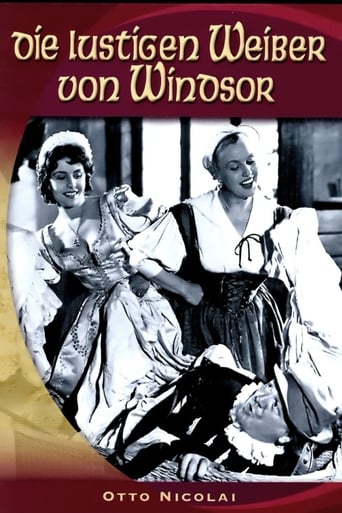
When Sir John Falstaff decides that he wants to have a little fun he writes two letters to a pair of Window wives: Mistress Ford and Mistress Page. When they put their heads together and compare missives, they plan a practical joke or two to teach the knight a lesson. But Mistress Ford's husband is a very jealous man and is pumping Falstaff for information of the affair. Meanwhile the Pages' daughter Anne is besieged by suitors.
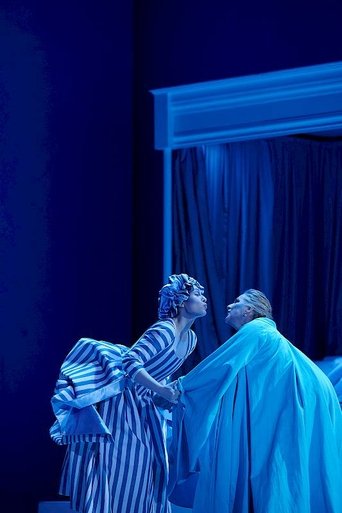
When Strauss and Hofmannsthal wrote «Der Rosenkavalier» – setting it in an imaginary Rococo Vienna and yet closely linked to the decadent fin de siècle – they created a profound social comedy. It is not without melancholy that the Marschallin lets her young lover Octavian go when he falls head over heels with Sophie, who hails from Faninal’s bourgeois household. As voluptuous as Strauss' score is, it contains tender moments of dream and melancholy. Director Lydia Steier stages Strauss’ opera according to an aesthetic concept by Austrian artist Gottfried Helnwein. Diana Damrau sings the Marschallin. Joana Mallwitz, chief conductor at the Konzerthaus Berlin, conducts the Orchester der Oper Zürich.
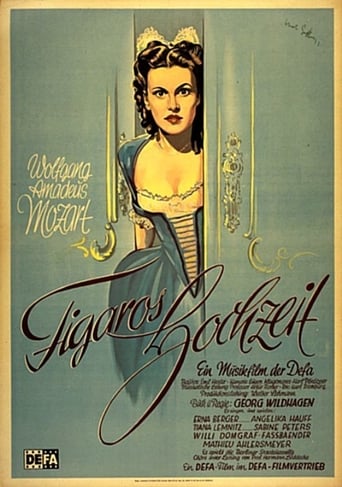
Shortly after WWII, the DEFA Studios produced a series of operas and operettas which belonged to the classical German musical heritage. This enchanting film, the very first opera production of DEFA, stands out because of its lavish decor and costumes, its outstanding actors and their masterful voices of that time.
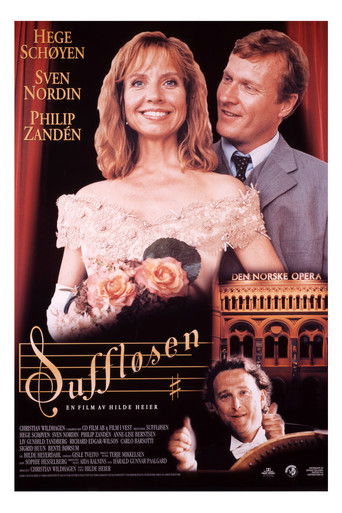
Siv works as a prompter for the Norwegian opera. As the rehearsals for Aida starts, she marries a demanding man, Fred, who still has a strong connection to his ex-wife. Starting at her wedding, Siv must repeatedly take a back seat, both to Freds children and their mother. But when she meets a man who shares her passion for music, she starts to question the path her life has taken.
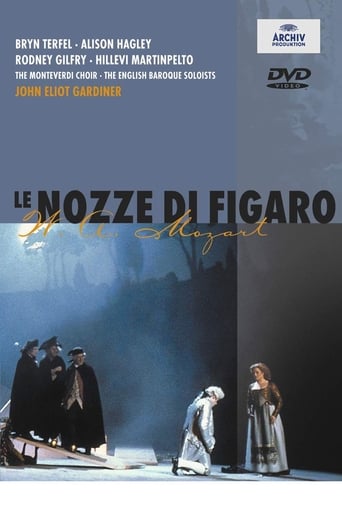
This is a good video of "Figaro", but there are a couple of better ones available. The Bohm and the Pappano are better still due to the female members of the casts. The reason for buying this one is the "Figaro", Bryn Terfel. No one can top him today in that role. John Eliot Gardiner also stands out. Many of us have voiced their opinion that If the Metropolitan Opera would release it's 1998 version, that would be the one to get.
Wolfgang Amadeus Mozart's Magic Flute is undoubtedly one of the most multi-layered, profound, complicated, and therefore also most difficult to stage works in the entire opera repertoire. In terms of genre, it can only be understood if it is seen as a mixture of four things: a philosophically profound drama of ideas with countless encryptions, a naïve fairy tale, a bawdy comedy, and a crude Punch and Judy show. It is based on the intersection of the traditions of Baroque magic opera, Italian buffa, and Viennese Singspiel, where all manner of wonders are conceivable and permissible. Peter Ustinov's production appeals to all those who love a primarily fairy-tale-like interpretation; the atmosphere is traditional and conventional. An outstanding ensemble of singers has been assembled.