


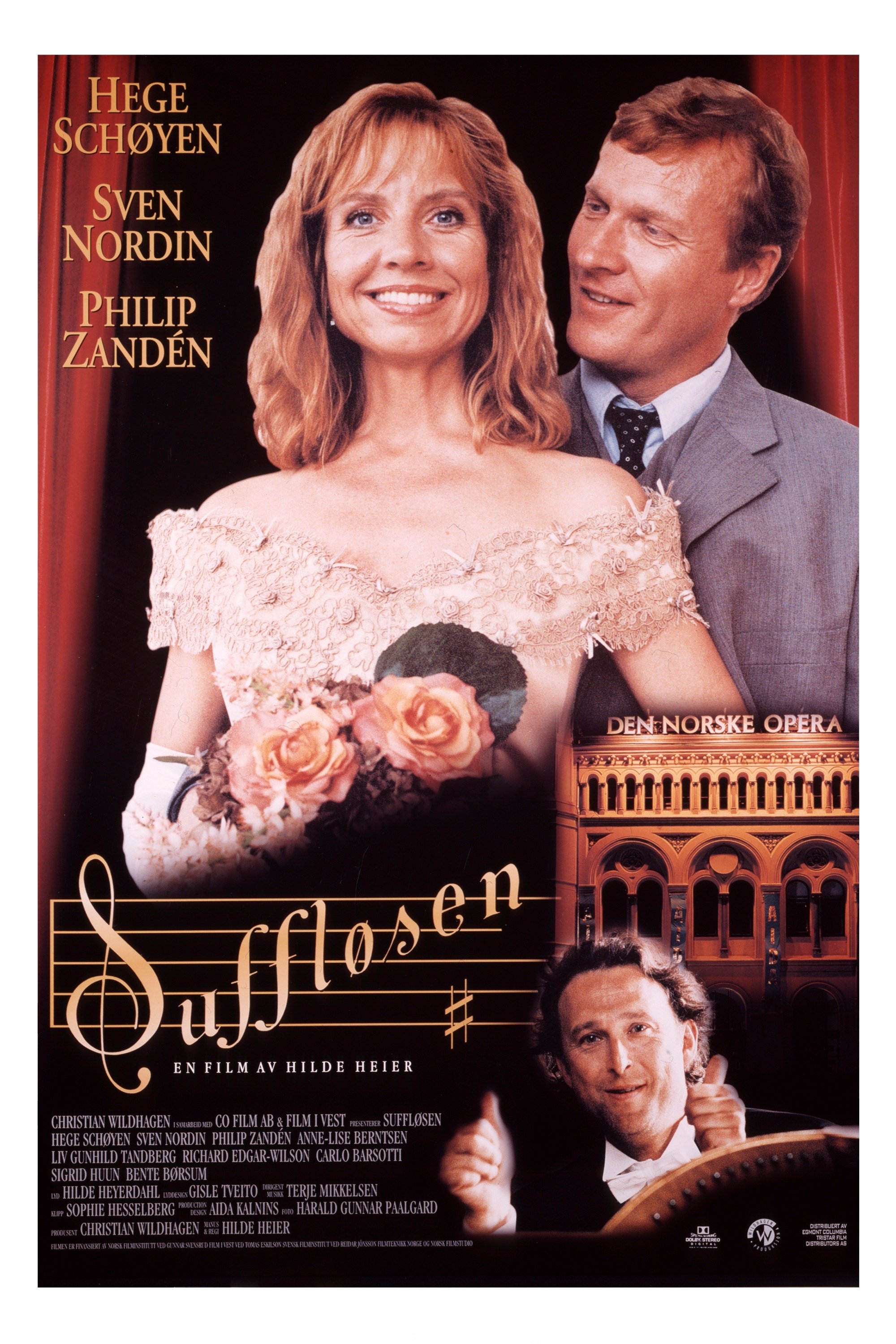
The Prompter
Comedy · Drama · Romance
Overview
Siv works as a prompter for the Norwegian opera. As the rehearsals for Aida starts, she marries a demanding man, Fred, who still has a strong connection to his ex-wife. Starting at her wedding, Siv must repeatedly take a back seat, both to Freds children and their mother. But when she meets a man who shares her passion for music, she starts to question the path her life has taken.
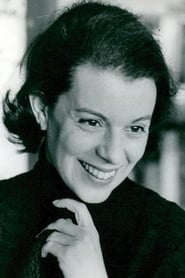
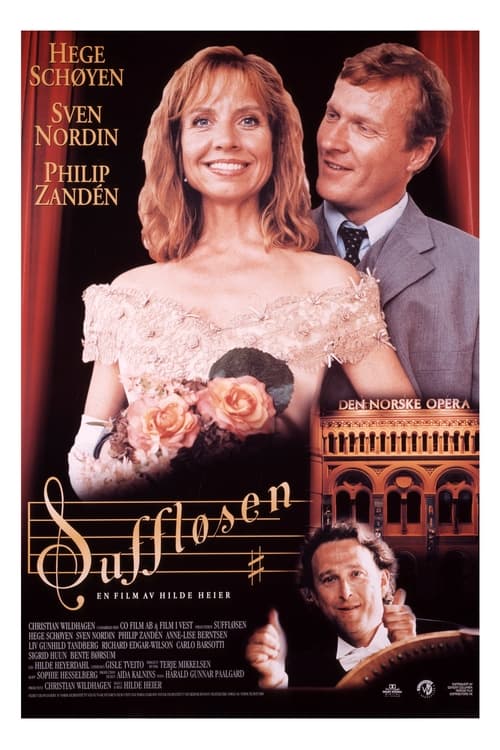

Hege Schøyen
Hege Schøyen
Siv
Hege Schøyen
Siv

Sven Nordin
Sven Nordin
Fred
Sven Nordin
Fred

Philip Zandén
Philip Zandén
Tubaisten
Philip Zandén
Tubaisten
Anne-Lise Berntsen
Anne-Lise Berntsen
Amneris
Anne-Lise Berntsen
Amneris
Liv Gunhild Tandberg
Liv Gunhild Tandberg
Aida
Liv Gunhild Tandberg
Aida
Richard Edgar-Wilson
Richard Edgar-Wilson
Radames
Richard Edgar-Wilson
Radames
Carlo Barsotti
Carlo Barsotti
Teater-regissøren
Carlo Barsotti
Teater-regissøren
Sigrid Huun
Sigrid Huun
Helen
Sigrid Huun
Helen
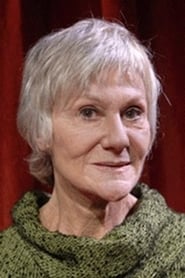
Bente Børsum
Bente Børsum
Sivs mor
Bente Børsum
Sivs mor
Marit Elizabeth von Düring
Marit Elizabeth von Düring
Mie
Marit Elizabeth von Düring
Mie
Similar Movies
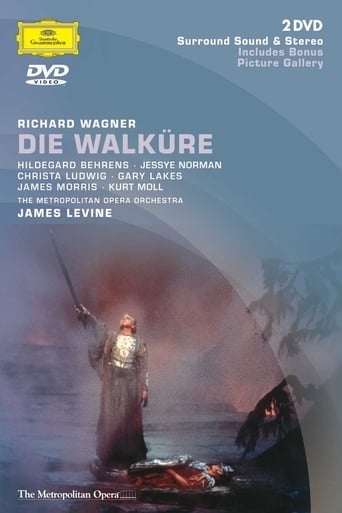
The gorgeous and evocative Otto Schenk/Günther Schneider-Siemssen production continues with this second opera in Wagner’s Ring cycle. Hildegard Behrens brings deep empathy to Brünnhilde, the favorite daughter of the god Wotan (James Morris) who nevertheless defies him. Morris’s portrayal of Wotan is deservedly legendary, as is Christa Ludwig, as Fricka. Jessye Norman and Gary Lakes are Sieglinde and Siegmund, and Kurt Moll is the threatening Hunding. James Levine and the Met orchestra provide astonishing color and drama. (Performed April 8, 1989)

During World War II, two French civilians and a downed British Bomber Crew set out from Paris to cross the demarcation line between Nazi-occupied Northern France and the South. From there they will be able to escape to England. First, they must avoid German troops – and the consequences of their own blunders.
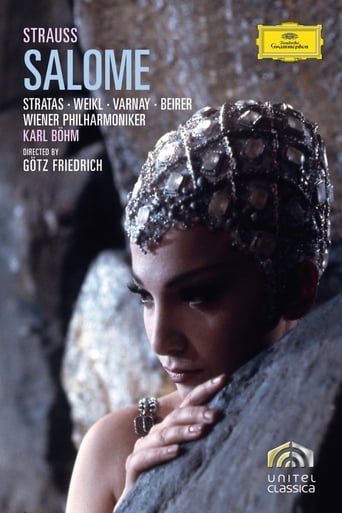
This filmed version of Strauss' shocker features Teresa Stratas as opera's most depraved teenager, and she's as perfect a Salome as one would ever hope to see or hear. Stratas inhabits the role, exploring the character's sensuousness as she vainly woos Jochanaan, her venomous hatred when she's rejected, the crazed look in her eyes when she demands his head--on a silver platter, no less. Such complete identification with a role, especially of a character so malignant helps make this 1974 Salome stand out among the many fine DVDs of the opera.
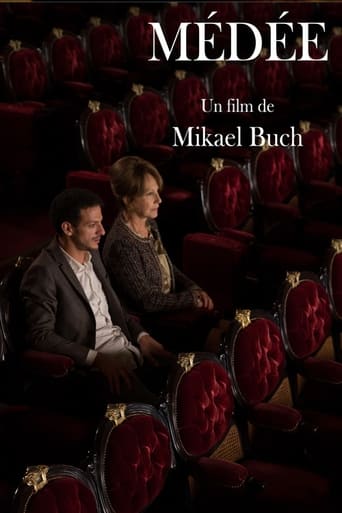
A lonely mother and her son go to the opera where a performance of Cherubini’s opera Medea is given. It is the mother’s birthday and she wanted to surprise her son by inviting him to the opera. But, the son’s plan were different and he is quite upset about it. His mother tries to break the silent barrier behind which he hides. A semblance of discussion begins, not without humour. Tension is present but, as the performance goes on, both find themselves astounded, captured, alone in the opera house.
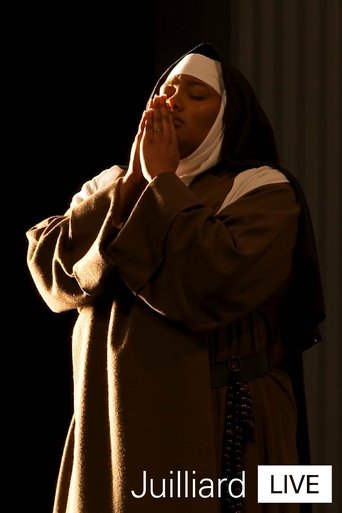
“In a world that often demands certainty, Dialogues des Carmélites invites us to sit with profound questions that have no easy answers: What makes a life worthy? How can we be truly prepared for our inevitable end? What does security mean when everything familiar is threatened? What sustains us when our institutions crumble? … Rather than imposing answers, the opera creates room for reflection on how faith manifests not as abstract doctrine, but as lived experience under extraordinary pressure.” — Louisa Muller, Director’s Note. Juilliard Opera directed by Louisa Muller. Matthew Aucoin conducts the Juilliard Orchestra. Performed and recorded on April 26, 2025 at the Peter Jay Sharp Theater. Dialogues des Carmélites, an opera by Francis Poulenc. Libretto adapted by the composer.
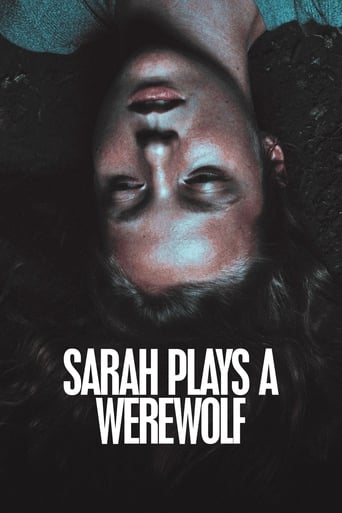
17-year old Sarah, filled with adolescent angst, is an extreme person who in her rehearsals with a theatre group is transformed until she is almost in a trance, and her performances at home or elsewhere verge on excess. A cold, intellectual father, a timid mother, a younger sister and an older brother who has left home complete the picture: a silent time bomb.
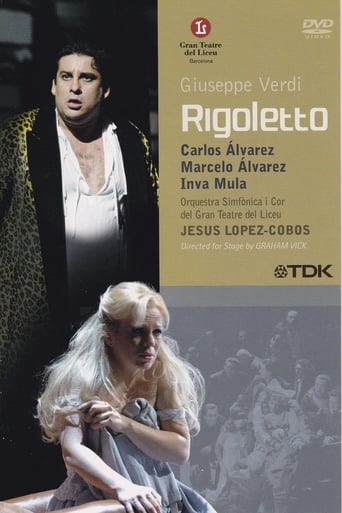
In Rigoletto, the deformed figure of the hunchbacked jester at the Mantuan court acts as a foil to his cynical and powerful master, an unscrupulous philanderer contrasted with his cruel and unforgiving fool. Rigoletto encourages and welcomes the Duke's conquests, pitilessly mocking his victims until he discovers that the Duke has abducted the one person he genuinely loves, his own daughter. As a result, the character of the court jester is transformed into a tragic figure who, in spite of his evident immorality and malice, allows us to sense the devotion he feels for his daughter and his horror at being destroyed by the same despotic world as that which he himself has helped to create.

Witness the Zurich Opera's stunning production of Richard Wagner's masterpiece "Tannhauser," conducted by Franz Welser-Most and featuring Peter Sieffert (Tannhauser), Solveig Kringelborn (Elisabeth) and Roman Trekel (von Eschenbach). Initially produced in Dresden in 1845, "Tannhauser" instilled a sense of wonder in a few of Strauss's ardent friends and admirers, among them Robert Schumann and Franz Liszt. Opera buffs will love it.