


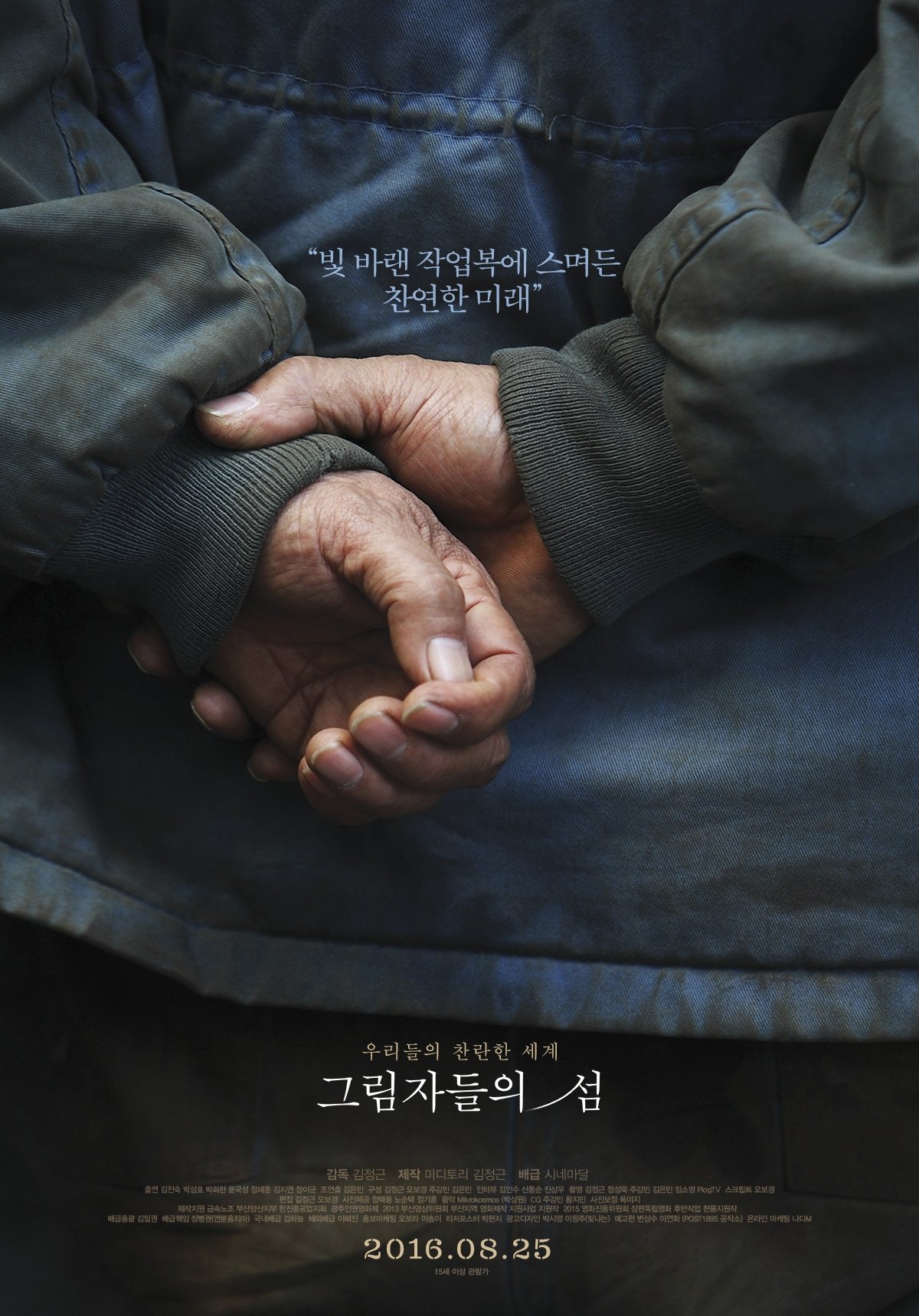
The Island of Shadows
Documentary
Overview
The workers talk about the pleasure of starting work in a shipyard, the pride of making the vessel, and the recognition of workers and the high spirit of their novel struggle. There was solidarity everywhere, even in each other's mind. But there is no more energy in Hanjin Shipyard. The workers have been laid-off and the strike shows no sign of stopping. A 34 year-old worker committed suicide as well. It's the fourth who has become a martyr for the cause. Why have the laborers who worked at Hanjin shipyard separated like this? They are starting to ask themselves why they decided to hate each other.



Roh Moo-hyun
Roh Moo-hyun
Self (archive footage)
Roh Moo-hyun
Self (archive footage)

Park Geun-hye
Park Geun-hye
Self (archive footage)
Park Geun-hye
Self (archive footage)
Kim Jin-sook
Kim Jin-sook
Self
Kim Jin-sook
Self
Park Seong-ho
Park Seong-ho
Park Seong-ho
Yoon Kook-seong
Yoon Kook-seong
Yoon Kook-seong
Jeong Tae-hoon
Jeong Tae-hoon
Jeong Tae-hoon
Jiyeon Kim
Jiyeon Kim
Jiyeon Kim
Jeong Lee-kyun
Jeong Lee-kyun
Jeong Lee-kyun
Similar Movies
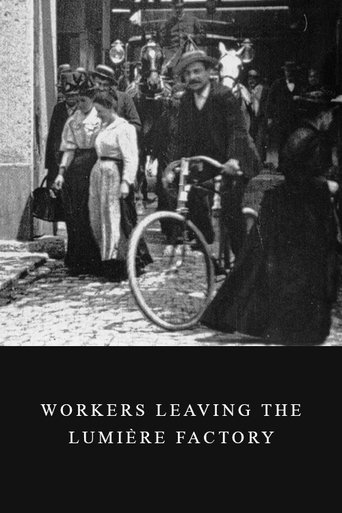
Working men and women leave through the main gate of the Lumière factory in Lyon, France. Filmed on 22 March 1895, it is often referred to as the first real motion picture ever made, although Louis Le Prince's 1888 Roundhay Garden Scene pre-dated it by seven years. Three separate versions of this film exist, which differ from one another in numerous ways. The first version features a carriage drawn by one horse, while in the second version the carriage is drawn by two horses, and there is no carriage at all in the third version. The clothing style is also different between the three versions, demonstrating the different seasons in which each was filmed. This film was made in the 35 mm format with an aspect ratio of 1.33:1, and at a speed of 16 frames per second. At that rate, the 17 meters of film length provided a duration of 46 seconds, holding a total of 800 frames.

A very human tech doc, uncovers the real costs of the platform economy through the lives of workers from around the world for companies including Uber, Amazon and Deliveroo. From delivering food and driving ride shares to tagging images for AI, millions of people around the world are finding work task by task online. The gig economy is worth over 5 trillion USD globally, and growing. And yet the stories of the workers behind this tech revolution have gone largely neglected. Who are the people in this shadow workforce? It brings their stories into the light. Lured by the promise of flexible work hours, independence, and control over time and money, workers from around the world have found a very different reality. Work conditions are often dangerous, pay often changes without notice, and workers can effectively be fired through deactivation or a bad rating. Through an engaging global cast of characters, it reveals how the magic of technology we are being sold might not be magic at all.
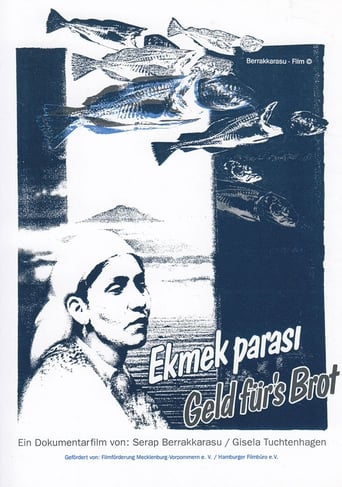
Women from Turkey and Mecklenburg are working together side-by-side at a fish-processing factory in Lübeck. As they work, they share stories about their lives, including their sorrows, griefs, hopes, and dreams, while expressing their longing for home and feelings of being lost in a foreign place.
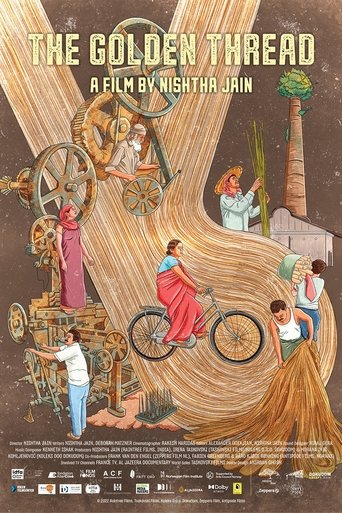
In the heyday of the jute industry, millions of people in Bengal made their living doing this laborious work, which has hardly changed since the industrial revolution. The 100-year-old machinery has been endlessly repaired. State aid kept this sustainable alternative to plastic going, but its future looks bleak.
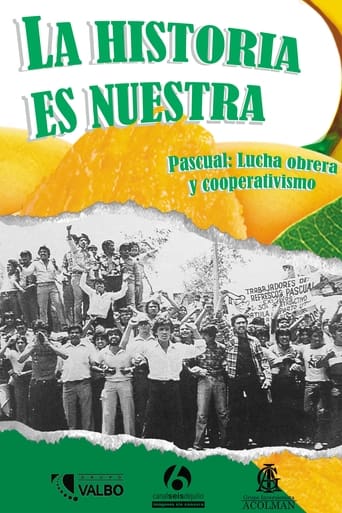
History is Ours narrates the struggle of the workers of the Refrescos Pascual soft-drink company against its owner, Rafael Jiménez, the official trade unionism of the CTM and the labor authorities of the governments of José López Portillo and Miguel de la Madrid, between 1982 and 1985. It documents the workers' difficult struggle to take over the company, when justice, which had been elusive, finally proved them right, and opened the possibility that these brave, tenacious workers would become collective owners of the company. Today, these soft-drink fighters resist a system that hits Mexican companies in favor of the monopolistic transnationals. The film is an account of one of the most brilliant episodes of the contemporary Mexican labor movement, an example of unity and class consciousness, embodied by men and women who make their struggle a tribute to comrades Concepción Jacobo García and Alvaro Hernández García, tragically fallen at the beginning of this historic event.
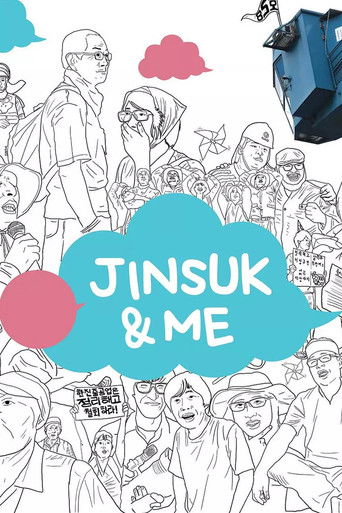
I have been pretty satisfied with my life before I got on the bus. When I do in June 2011, my whole life turns upside down. I am just a regular passenger at first. Like other people I was sorry, and felt obliged to help and care for other passengers. Then I begin to film these common heroes with my camera. Those who speak about hope, who provide it and get on the bus, Ms. Kim Jin-suk, and other crane laborers who risk their safety while demonstrating for their rights on high. She, while stationed insecurely on high, begins interacting with the world through Twitter and makes friends. Then I realize I really love her. Will we have her back safely?