

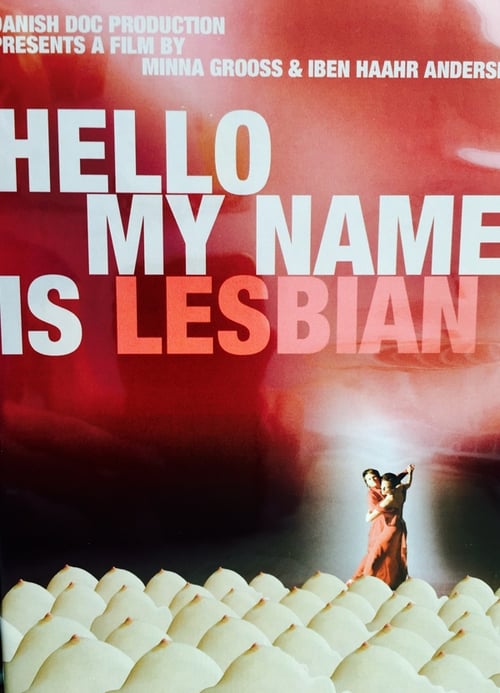
Hello, My Name Is Lesbian
Documentary
Overview
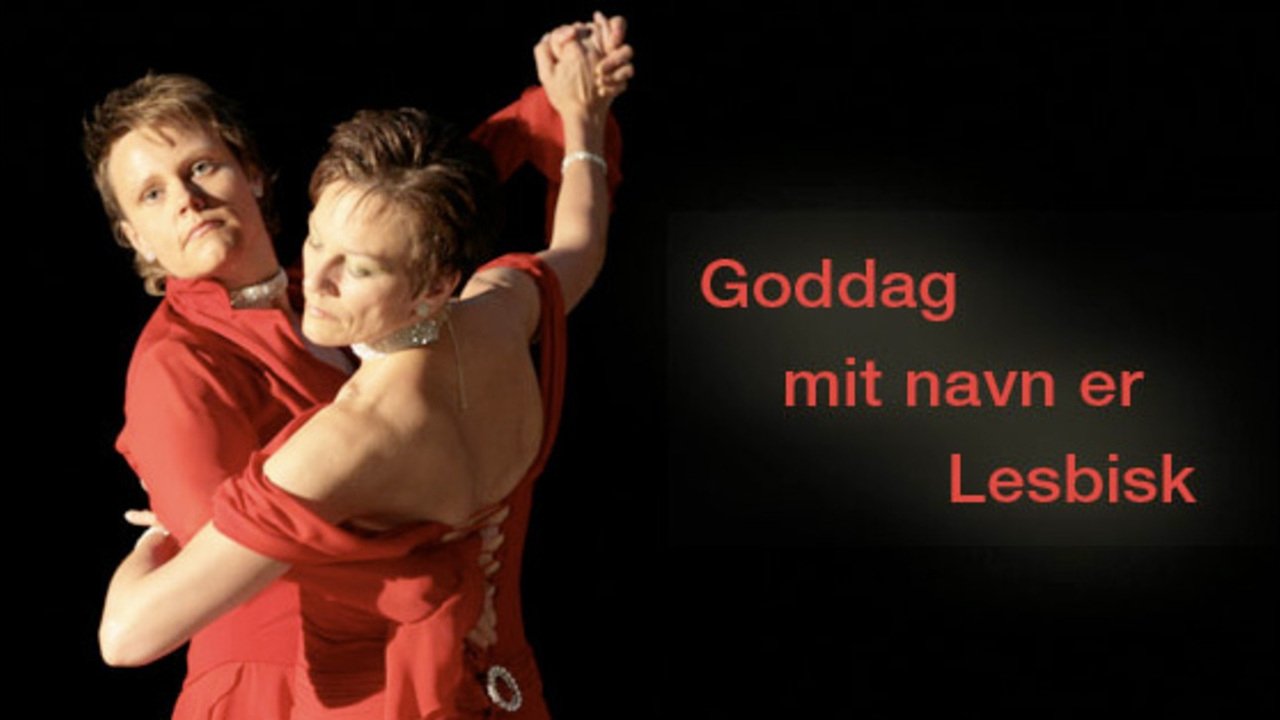
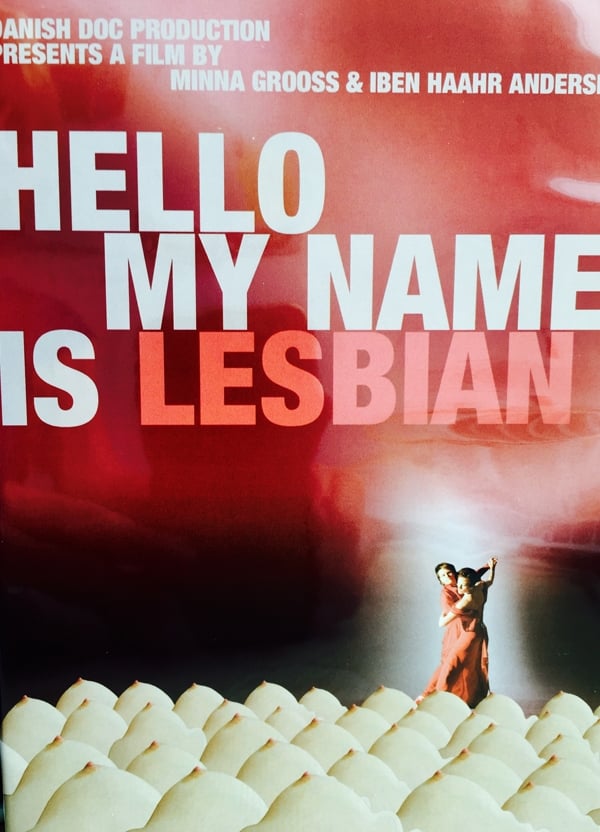
Hello, My Name Is Lesbian shows modern lesbian lifestyle and culture in all it’s diversity as it is lived in one of the most sexually liberated countries in the world. Set against historic footage from the last five decades, women aging from 19 to 84, share their views on sex, family gatherings, parental roles, night life and careers: every facet of the lives we lead, viewed through the eyes of women who have chosen identities departing from the norm.



No cast information.
Similar Movies
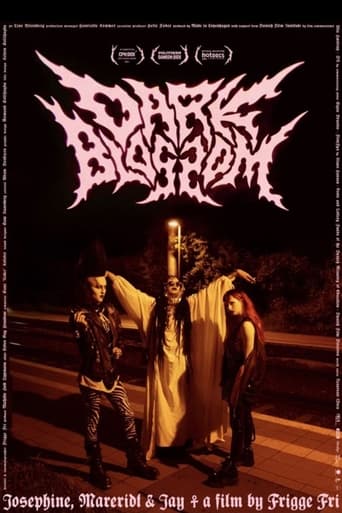
Armed with skulls, black makeup, wild outfits and high mohawks, this gothic trinity fights to gain control of and thus free themselves from their loneliness and inner demons as well as pressure from authorities, which they feel disturbed and controlled by. But one day, Josephine meets the beautiful guy, Jan, on Instagram and falls head over heels in love with him and the precious trio friendship is put to the test.
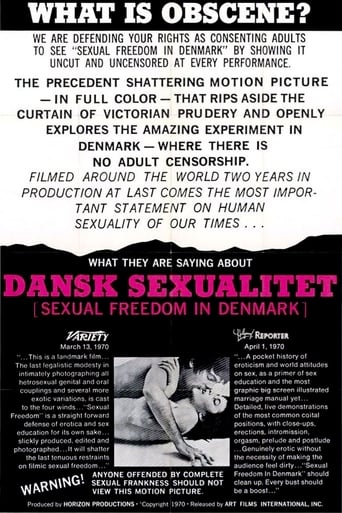
Starting as a documentary on the sexually liberated culture of late-Sixties Denmark, Sexual Freedom in Denmark winds up incorporating major elements of the marriage manual form and even manages to squeeze in a montage of beaver loops and erotic art. All narrated with earnest pronouncements concerning the social and psychological benefits of sexual liberation, the movie, is a kind of mondo film dotted with occasional glimpses of actual sex.
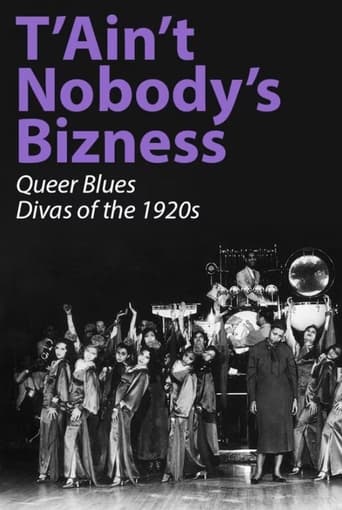
The 1920s saw a revolution in technology, the advent of the recording industry, that created the first class of African-American women to sing their way to fame and fortune. Blues divas such as Bessie Smith, Ma Rainey, and Alberta Hunter created and promoted a working-class vision of blues life that provided an alternative to the Victorian gentility of middle-class manners. In their lives and music, blues women presented themselves as strong, independent women who lived hard lives and were unapologetic about their unconventional choices in clothes, recreational activities, and bed partners. Blues singers disseminated a Black feminism that celebrated emotional resilience and sexual pleasure, no matter the source.
This travelogue begins with the vast agricultural wealth of the country, whose farmers can produce four times the amount required to feed the country's population. As such, the export of these agricultural products is a vital part of the country's economy. This agricultural tradition extends to its food consumption, as Denmark's vast array of open faced sandwiches is world renowned. It also extends to flower production and the Dane's love of flowers, which are sold in public markets. Denmark has a strong social support system, as witnessed by the free and mandatory public schooling, free medical services for expectant mothers and children, the provision of cooperative housing and housing for seniors, and the provision of old age pensions without premiums.
In the West Jutland village of Hanning, there is a small indremissionary community. How everyday life unfolds in such a religious environment is depicted through participation in church services, meetings in the mission house and visits to the villagers. They talk about temptations, their relationship with God and passing on their faith to the next generation.