

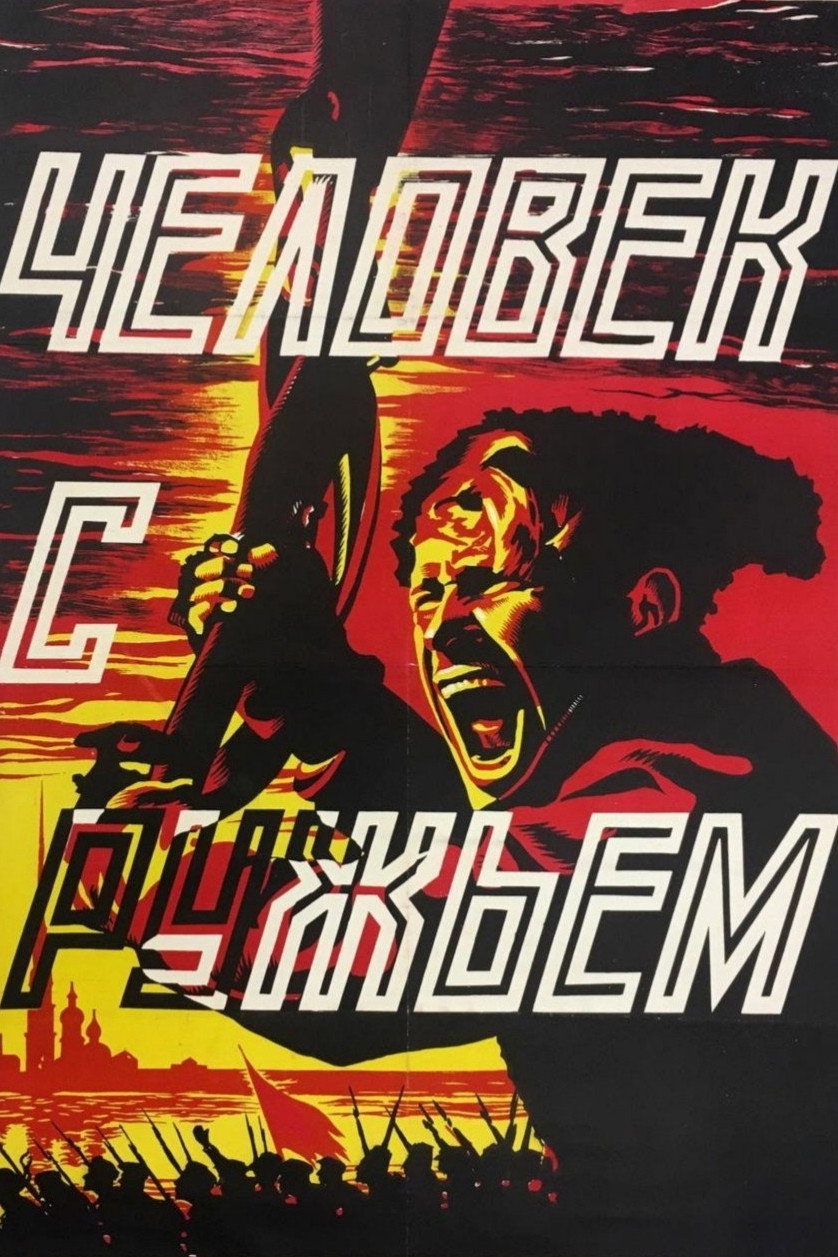
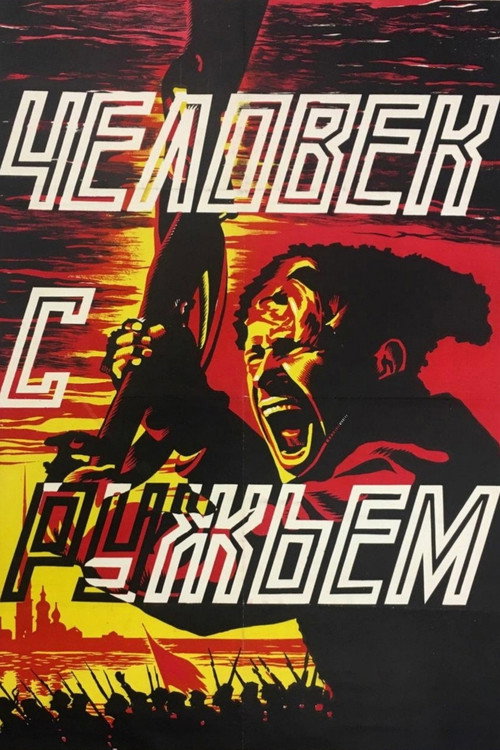
The Man with the Gun
History
Overview
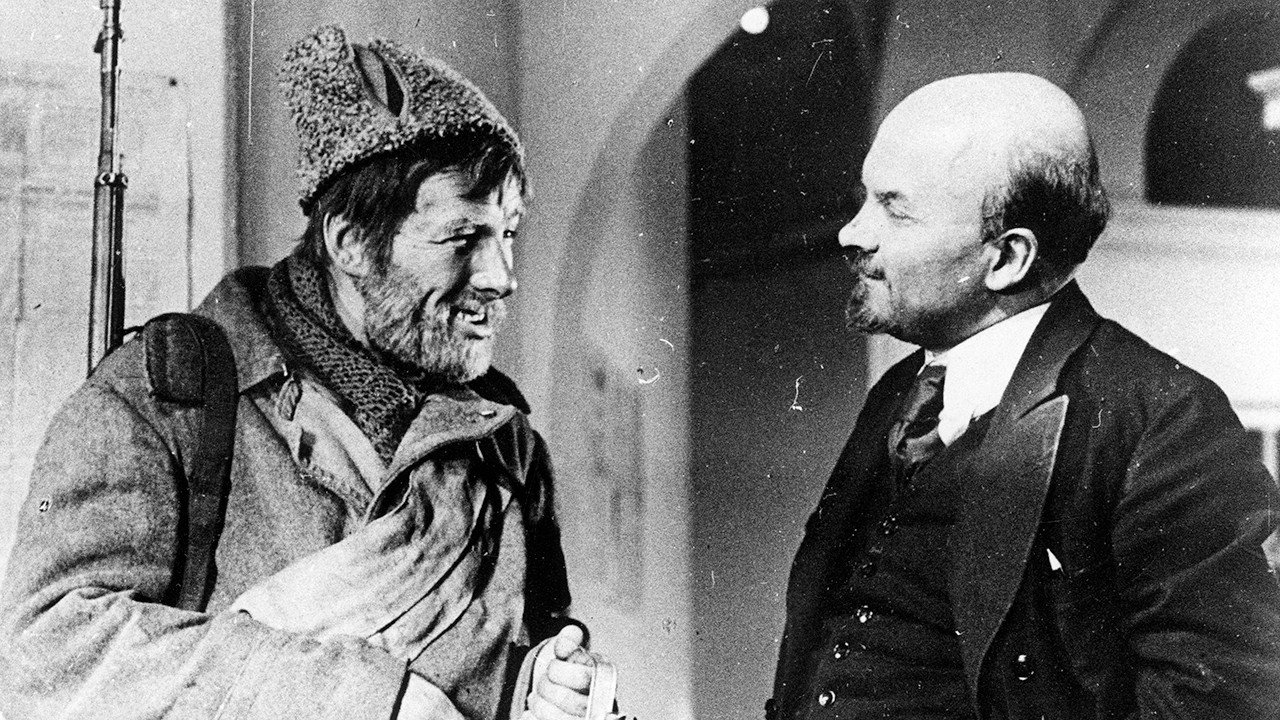
The story of the Bolshevik revolution through the eyes of a peasant who, as a soldier, gets caught up in the proceedings under the tutelage of Lenin.
Top Cast
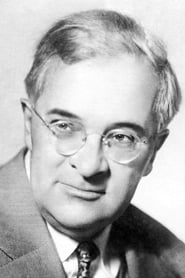
Maksim Shtraukh
Vladimir Lenin
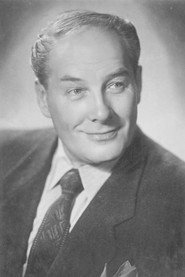
Boris Tenin
Pvt. Ivan Shadrin
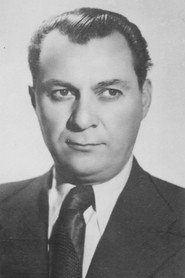
Mikheil Gelovani
Josef Stalin
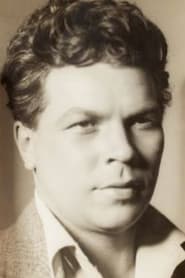
Vladimir Lukin
Nikolai Chibisov
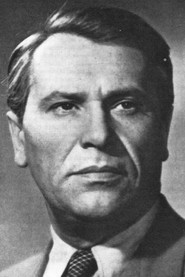
Mark Bernes
Kostya Zhigilev
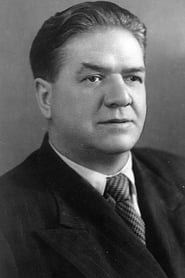
Stepan Kayukov
Andrey Dimov
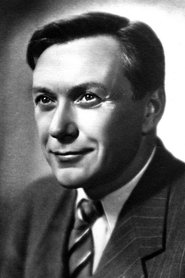
Boris Chirkov
Evtushenko

Serafima Birman
Sibirtsev's wife

Zoya Fyodorova
Katya Shadrina
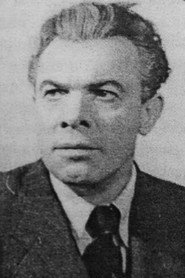
Dmitriy Andreev
Nikolay Sosnin
Zakhar Zakharovich Sibirtsev
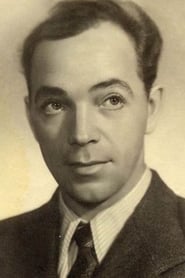
Pyotr Aleynikov
Soldier
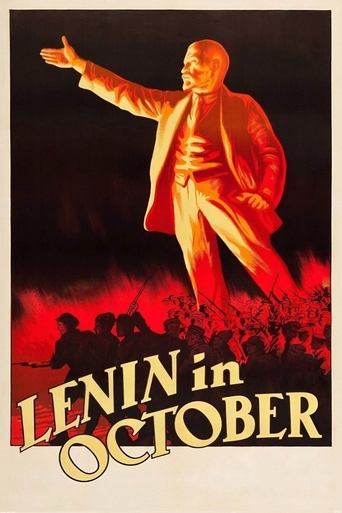




Maksim Shtraukh
Maksim Shtraukh
Vladimir Lenin
Maksim Shtraukh
Vladimir Lenin
Boris Tenin
Boris Tenin
Pvt. Ivan Shadrin
Boris Tenin
Pvt. Ivan Shadrin
Mikheil Gelovani
Mikheil Gelovani
Josef Stalin
Mikheil Gelovani
Josef Stalin
Vladimir Lukin
Vladimir Lukin
Nikolai Chibisov
Vladimir Lukin
Nikolai Chibisov
Mark Bernes
Mark Bernes
Kostya Zhigilev
Mark Bernes
Kostya Zhigilev
Stepan Kayukov
Stepan Kayukov
Andrey Dimov
Stepan Kayukov
Andrey Dimov
Boris Chirkov
Boris Chirkov
Evtushenko
Boris Chirkov
Evtushenko
Serafima Birman
Serafima Birman
Sibirtsev's wife
Serafima Birman
Sibirtsev's wife
Zoya Fyodorova
Zoya Fyodorova
Katya Shadrina
Zoya Fyodorova
Katya Shadrina
Dmitriy Andreev
Dmitriy Andreev
Dmitriy Andreev
Similar Movies
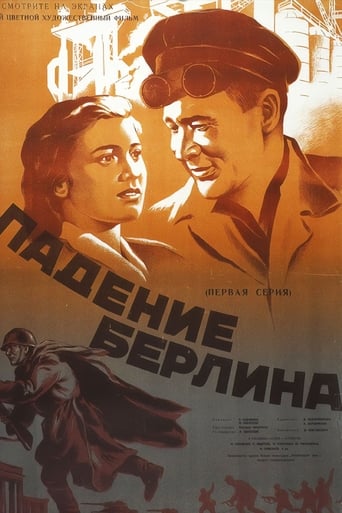
Surrounded by a few party officials, Alexei Ivanov, a stakhanovist smelter, is decorated by Stalin. The "Little Father of the Peoples" takes this opportunity to invoke threats of war.... One day, war indeed breaks out. Bombs fall on the field where Alexei finds himself in the company of the schoolmistress Natacha, his fiancée. Alexei joins the Red Army and soon becomes a sergeant. Fighting rages and German troops advance. Natacha is arrested and deported. But the tide turns decisively with the German defeat at Stalingrad. Now the major offensive against Hitler can begin.
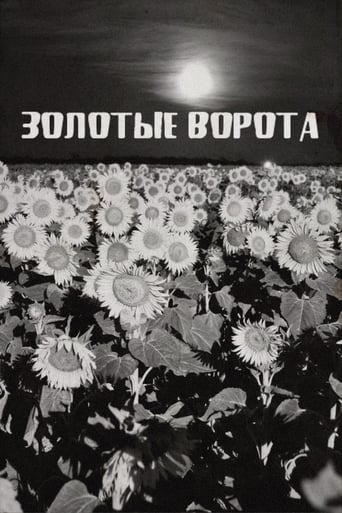
The film-remembrance of the creative fate of the Ukrainian Soviet film director Alexander Dovzhenko, shot on his diaries. It has his statements about his work, about the role of the artist in society, his plans and sources of inspiration, his artistic style and the peculiarities of his worldview. Used excerpts from his films and documentary footage taken during the director's life, as well as filmed fragments of the unfinished scripts " The Death of the Gods” and “Tsar”.
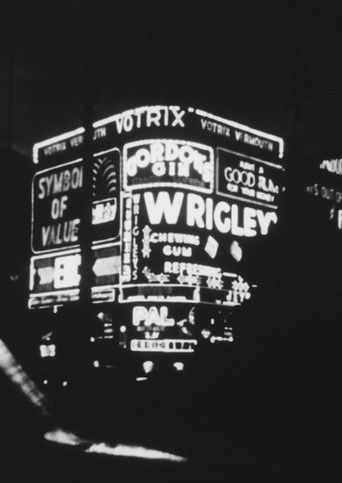
Socialist industry manufactures only those products absolutely required by workers, citizens purchase only those items essential for their everyday lives – claims the film, thereby differentiating the operational principles of domestic industry and trade from those of capitalist countries.
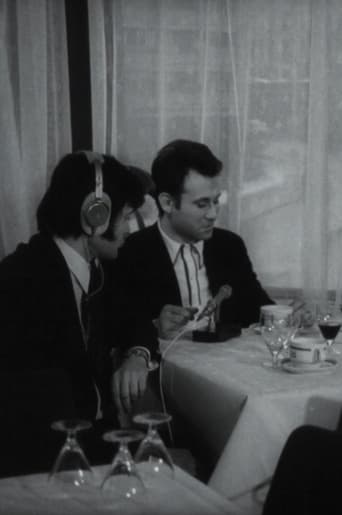
At the beginning of the 70s, Sahia Studio produced a number of social investigations commissioned by the Central Committee of the Romanian Communist Party, intended to expose the so-called "social parasitism". The decision was taken after the theses of July 1971, which provide that "one of the main objectives of political work, especially among the youth, is the firm fight against the tendencies of parasitism, of an easy life, without work, the cultivation of responsibility and the duty to work , in the service of the country, the people, the socialist society". The most famous films, made with the competition of the Ministry of the Interior and the Ministry of Justice, are Să treacă vara and Iarna unor pierde vară