

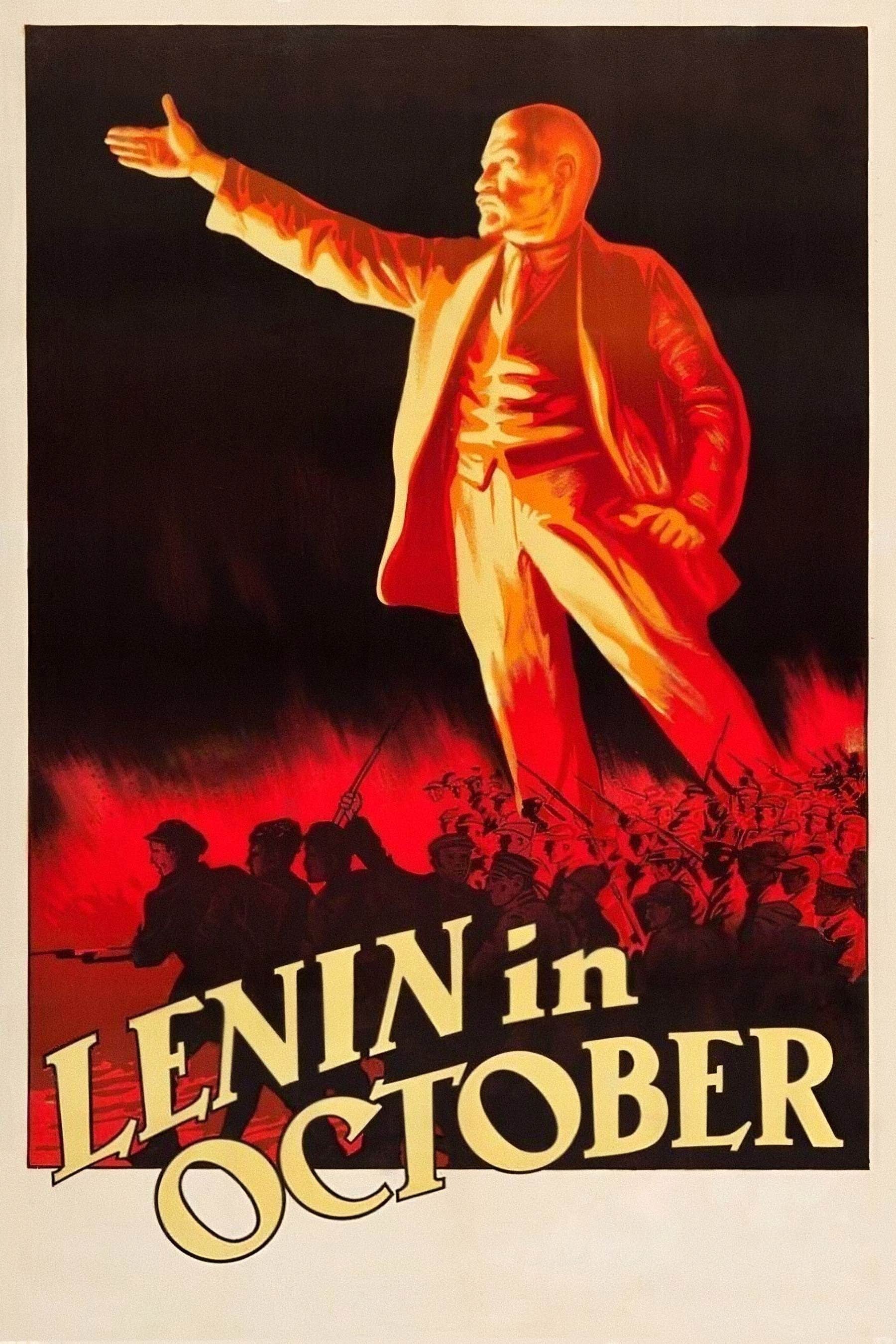
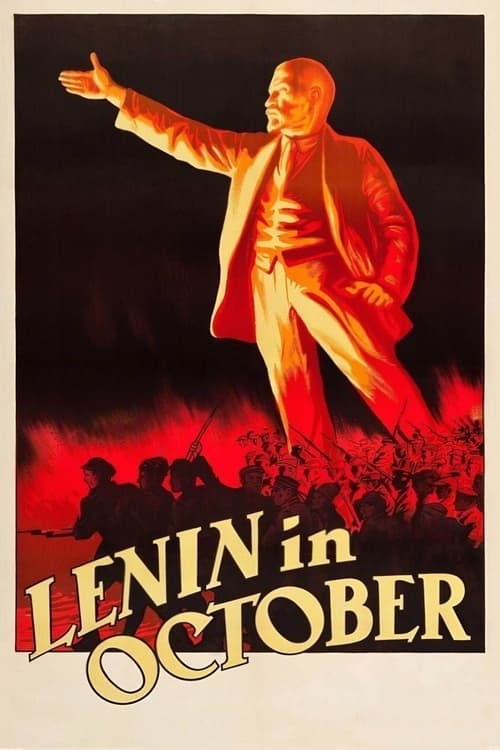
Lenin in October
Drama · History
Overview
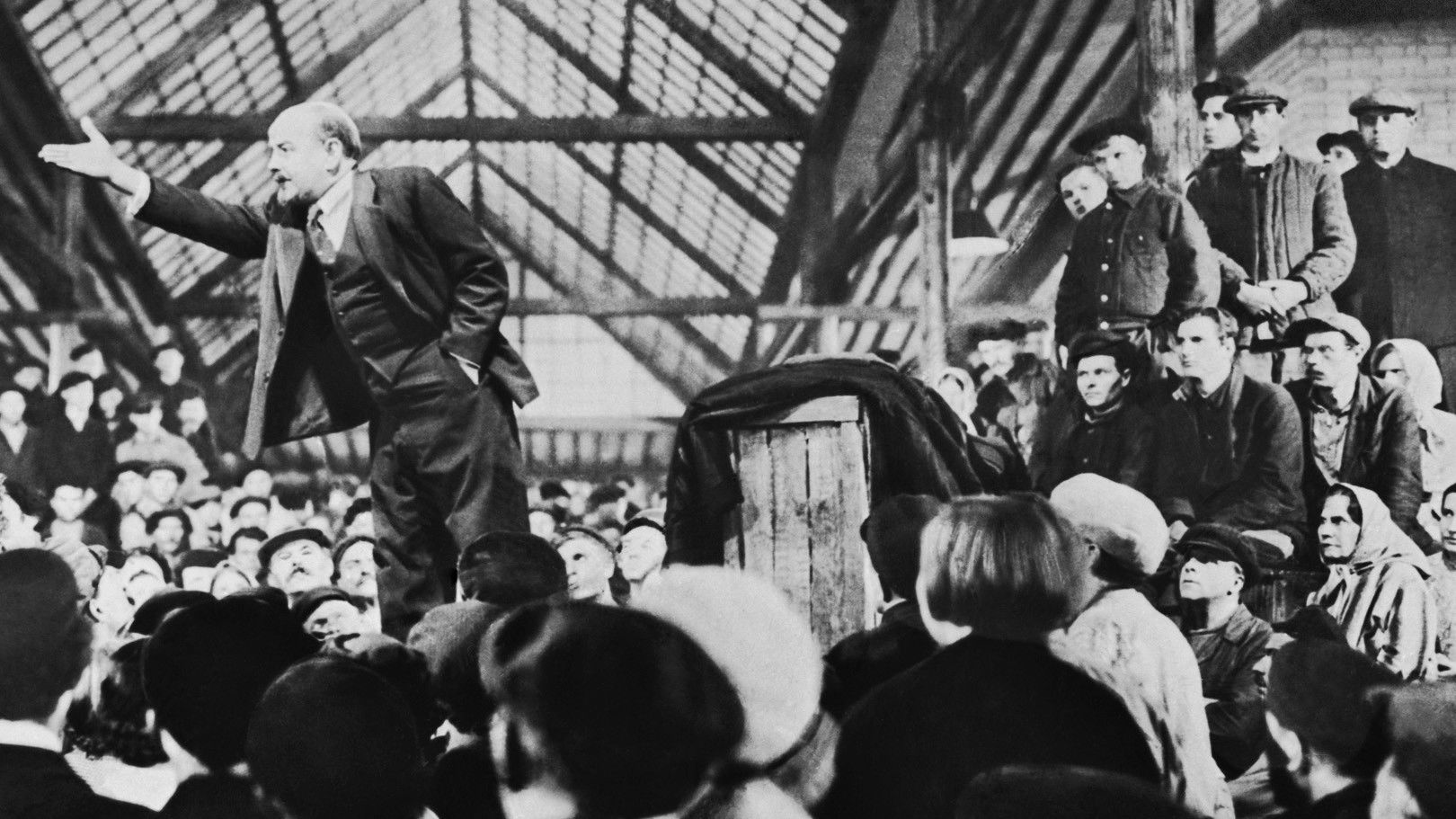
Commissioned by Josef Stalin to commemorate the 20th anniversary of the Soviet Revolution, Lenin in October was the first of Russian director Mikhail Romm's tributes to the Marxist visionary who helped orchestrate the insurrection of October, 1917.
Top Cast
Boris Shchukin
Vladimir Ilich Lenin
Nikolai Okhlopkov
Vasily
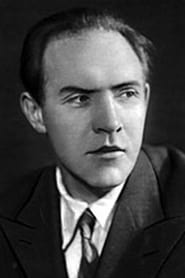
Vasili Vanin
Factory Foreman Matveyev

Nikolai Arsky
Blinov, worker (as N. Arsky)
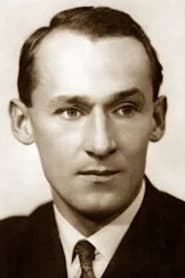
Nikolai Chaplygin
Kirilin
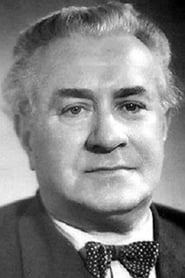
Vladimir Vladislavskiy
Karnayukhov (as V. Vladislavsky)
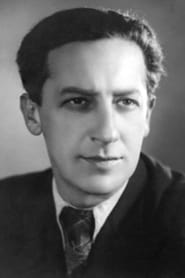
Semyon Goldshtab
Josef Stalin
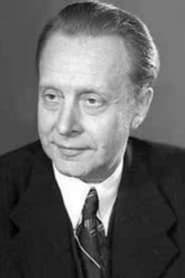
Nikolai Svobodin
Rutkovsky, the Social Revolutionary
Vadim Ganshin
Zhukov, the Menshevik

Yelena Shatrova
Anna Mikhailovna
Aleksandr Kovalevsky
Aleksandr Feodorovich Kerenski
Nikolai Sokolov
Mikhail Vladimir Rodzyanko










Boris Shchukin
Boris Shchukin
Vladimir Ilich Lenin
Boris Shchukin
Vladimir Ilich Lenin
Nikolai Okhlopkov
Nikolai Okhlopkov
Vasily
Nikolai Okhlopkov
Vasily
Vasili Vanin
Vasili Vanin
Factory Foreman Matveyev
Vasili Vanin
Factory Foreman Matveyev
Nikolai Arsky
Nikolai Arsky
Blinov, worker (as N. Arsky)
Nikolai Arsky
Blinov, worker (as N. Arsky)
Nikolai Chaplygin
Nikolai Chaplygin
Kirilin
Nikolai Chaplygin
Kirilin
Vladimir Vladislavskiy
Vladimir Vladislavskiy
Karnayukhov (as V. Vladislavsky)
Vladimir Vladislavskiy
Karnayukhov (as V. Vladislavsky)
Semyon Goldshtab
Semyon Goldshtab
Josef Stalin
Semyon Goldshtab
Josef Stalin
Nikolai Svobodin
Nikolai Svobodin
Rutkovsky, the Social Revolutionary
Nikolai Svobodin
Rutkovsky, the Social Revolutionary
Vadim Ganshin
Vadim Ganshin
Zhukov, the Menshevik
Vadim Ganshin
Zhukov, the Menshevik
Yelena Shatrova
Yelena Shatrova
Anna Mikhailovna
Yelena Shatrova
Anna Mikhailovna
Similar Movies
It is 1945. Enrico Piaggio’s Pontedera factory is in ruins and the 12,000 people who worked there are condemned to unemployment and misery. Piaggio feels the enormous responsibility resting on his shoulders: the lives of so many families depend on his ability to create new jobs. A project is born in the mind of the entrepreneur: a small, robust, agile and affordable means of transport, capable of relaunching mobility, giving impetus to the recovery of the country’s economic and civil life. To make this dream come true, Piaggio turns to engineer Corradino D’Ascanio, a brilliant designer who uses the experience gained in the field of aeronautics to create the scooter that remains today the symbol of Italian creativity and design: the Vespa!
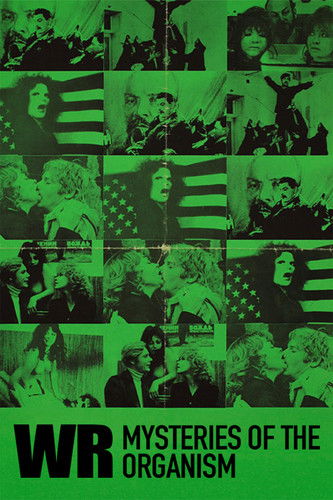
What does the energy harnessed through orgasm have to do with the state of communist Yugoslavia circa 1971? Only counterculture filmmaker extraordinaire Dušan Makavejev has the answers (or the questions). His surreal documentary-fiction collision begins as an investigation into the life and work of controversial psychologist and philosopher Wilhelm Reich and then explodes into a free-form narrative of a beautiful young Slavic girl’s sexual liberation.
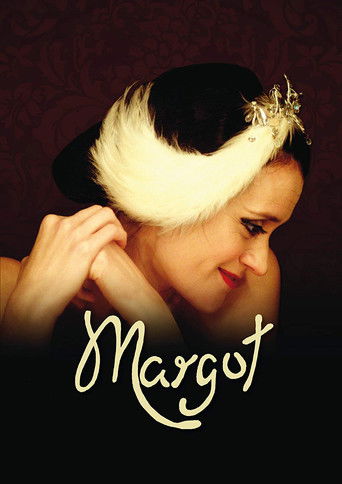
At the age of forty Dame Margot Fonteyn is considered to be past her best as a prima ballerina and Ninette de Valois is reducing her roles at the Royal Ballet. Then the exciting young Russian dancer Rudolf Nureyev, a recent defector to the West, comes into her life and her bed and revitalizes her career. Frederick Aashton creates a new ballet for them and they become the golden couple of the ballet world. However, Margot is married to Roberto 'Tito' Arias, a Panamanian politician of dubious repute who is not sympathetic to her calling and is probably faithless. When he is shot and paralyzed for life Margot must carry on dancing well into her sixties in order to pay for his costly treatment though she still collaborates with Rudolf in the occasional ballet.