

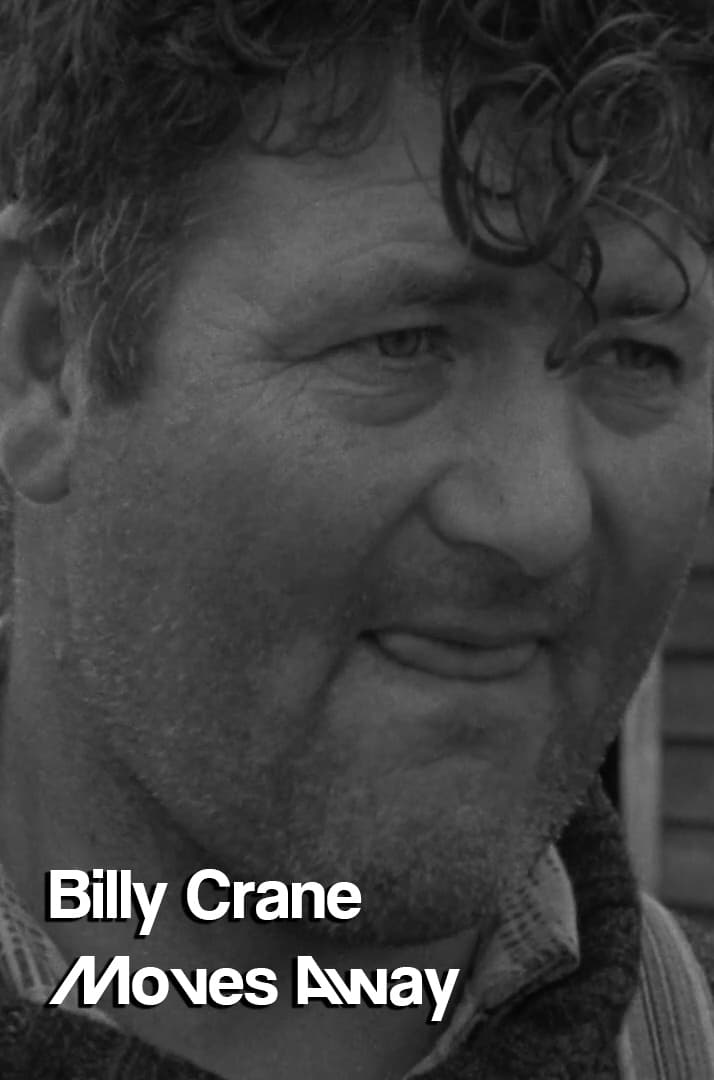
Billy Crane Moves Away
Documentary
Overview
This short documentary features Newfoundland fisherman Billy Crane, who speaks frankly on the state of the inshore fishery and how the lack of government support has contributed to the industry’s downfall. He is being forced to leave home to seek employment in Toronto. This film was made with the Challenge for Change program.
Top Cast
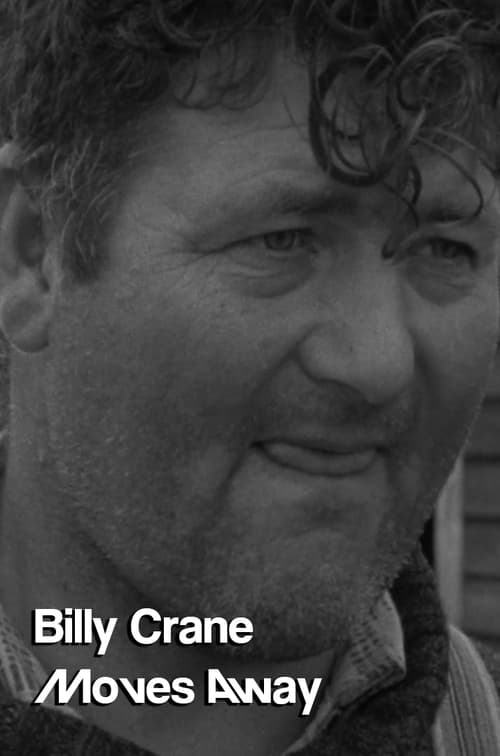
Billy Crane
Billy Crane
Self
Billy Crane
Self
Similar Movies
This pioneering documentary film depicts the lives of the indigenous Inuit people of Canada's northern Quebec region. Although the production contains some fictional elements, it vividly shows how its resourceful subjects survive in such a harsh climate, revealing how they construct their igloo homes and find food by hunting and fishing. The film also captures the beautiful, if unforgiving, frozen landscape of the Great White North, far removed from conventional civilization.
Whales beached after ingesting plastic, oceans soiled: a quarter of marine waste today comes from cans and plastic bottles. The drinks industry produces 470 billion single-use bottles each year, 25% of which come from Coca-Cola. Although the world's largest soft drink producer has set ambitious targets to prevent this environmental pollution, it has often failed to do so. In the 1950s, the company sold its drink exclusively in returnable glass bottles, which it washed and refilled. Two decades later, these were replaced by disposable bottles - a decision whose devastating effects still linger.
Examines the devastating effect that overfishing has had on the world's fish populations and argues that drastic action must be taken to reverse these trends. Examines the imminent extinction of bluefin tuna, brought on by increasing western demand for sushi; the impact on marine life resulting in huge overpopulation of jellyfish; and the profound implications of a future world with no fish that would bring certain mass starvation.
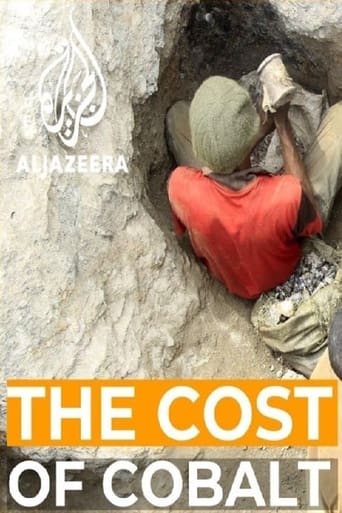
In the cobalt mining areas of Katanga in the Democratic Republic of the Congo (DRC), babies are being born with horrific birth defects. Scientists and doctors are finding increasing evidence of environmental pollution from industrial mining which, they believe, may be the cause of a range of malformations from cleft palate to some so serious the baby is stillborn. More than 60% of the world’s reserves of cobalt are in the DRC and this mineral is essential for the production of electric car batteries, which may be the key to reducing carbon emissions and to slowing climate change. In The Cost of Cobalt we meet the doctors treating the children affected and the scientists who are measuring the pollution. Cobalt may be part of the global solution to climate change, but is it right that Congo’s next generation pay the price with their health? Many are hoping that the more the world understands their plight, the more pressure will be put on the industry here to clean up its act.
A Brazilian performance artist Vanesa Cardoso living in Newfoundland, Canada explores the figures of her Pochinko clown, discovering a desire to expose the comedy of our deepest vulnerabilities - the very ones that make us human. A creative journey through Richard Pochinko's seven masks and six directions, Vanessa reveals her clown while musing on the personal drive and struggles that inspire her art.

Discipline and productivity are more regimented in Japan than in many other parts of the world. For the Japanese, survival means doing things together rather than asserting North-American-style individualism. Japan's industry has automated and computerized at an unparalleled rate. Open-concept offices and collaborative work styles offer a model of the changing style of modern work that could inspire the West to modify their processes as well.
MORENA tells the uplifting story of the Philippine National Surf Athlete Ikit Agudo, who overcame the pressure to blend into a society obsessed with skin whitening. Within the ocean, she found happiness, strength, and pride in her roots. Inspiring young girls around the world to embrace who they truly are. In the Philippines, skin-whitening remains a billion-peso industry, a legacy of colonial beauty ideals that for generations have led many to neglect their true identity and natural beauty.
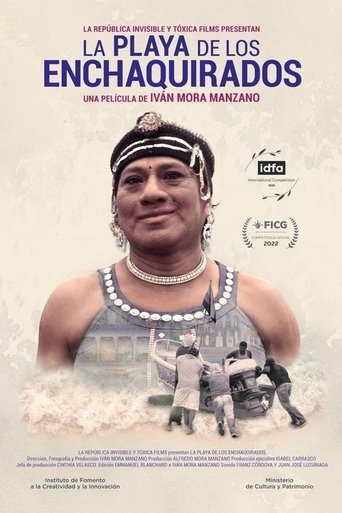
Vicky is fisherman by day and bar owner at night. When she was a little boy her dream was to be a radio soap opera star, nowadays she dreams of falling in love again. How is it possible that a small, barren place in the third world has managed to achieve this special form of freedom and tolerance?