

Death Row
Documentary
Overview
The death penalty in the United States is as old as the country itself, with roots to the original European settlements. During this time over 15,000 men and women have been executed, eventually spurring a heated debate about this ultimate punishment. Featuring interviews and commentary from leading criminal and sociology experts, this documentary takes an inside look at the origins of America's capital punishment laws, the methods of execution, and the faces of evil who have received the death sentence including Ted Bundy, Timothy McVeigh, and John Wayne Gacy. Also get a glimpse into the prison cells and lives of those who await their fate on Death Row.








No cast information.
Similar Movies

British documentarian Nick Broomfield creates a follow-up piece to his 1992 documentary of the serial killer Aileen Wuornos, a highway prostitute who was convicted of killing six men in Florida between 1989 and 1990. Interviewing an increasingly mentally unstable Wuornos, Broomfield captures the distorted mind of a murderer whom the state of Florida deems of sound mind -- and therefore fit to execute. Throughout the film, Broomfield includes footage of his testimony at Wuornos' trial.
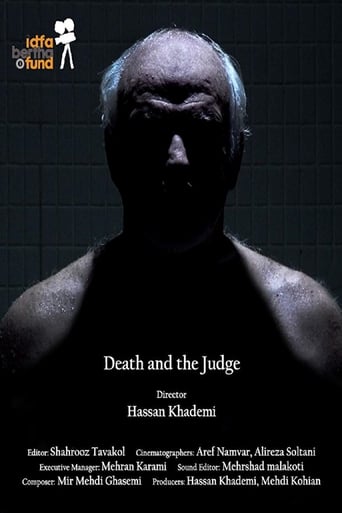
The documentary, " Death and the Judge", revolves around Iran's most famous criminal judge, Azizmohammadi. He served as a criminal judge for 45 years and issued about 4500 death sentences; a record in not only Iran, but also the world. This documentary looks into his personal and professional life as he is followed within his home with his family, in the court of law, and in his retirement days. The ultimate purpose of the documentary is to deduce the role of death in the judge's life as he either takes life away from criminals or death comes to his loved ones. During his retirement, he is once again given the choice between the life and death of a person, despite no longer being a judge.
Documentary about the first human to donate his body to science so that it could be studied in the form of a 3D database of the entire anatomy that is available to view online. Convicted killer Joseph Paul Jernigan donated his body to science shortly before he was executed in 1993 and this documentary examines what took place after his death by lethal injection.
Scott Panetti was tried for the capital murder of his parents-in-law on September 8, 1992 in Gillespie County, Texas. He was subsequently sentenced to death on September 22, 1995. Panetti has an extensive history of mental illness, including schizophrenia, manic depression, auditory hallucinations and paranoia. Panetti was hospitalized, both voluntarily and involuntarily for mental illness fourteen times in six different hospitals before his arrest for capital murder in 1992. Following his conviction, Panetti’s former wife, and daughter of the victims, Sonja Alvarado, filed a petition stating that Panetti never should have been tried for the crimes as he was suffering from paranoid delusions at the time of the killings.
Today, the ritual of giving the last supper to the condemned person has been detached from its origin, and can be perceived to be as absurd as the punishment it accompanies. Mats Bigert & Lars Bergström's film “The Last Supper” focuses on this discrepancy between historical “meaning” and contemporary use of a tradition that has lost its connection with the past. The main character is the former death row chef Brian Price, who reconstructs one of the 200 final meals that he prepared during his time as inmate in Huntsville State Prison, Texas.