

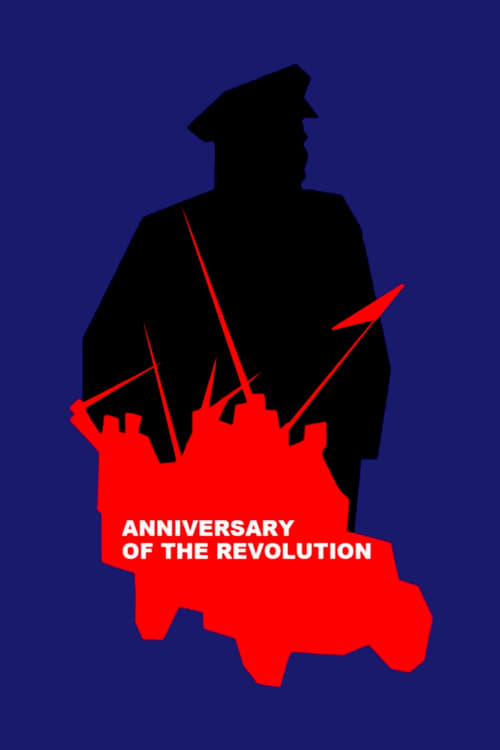
Anniversary of the Revolution
Documentary · History
Overview
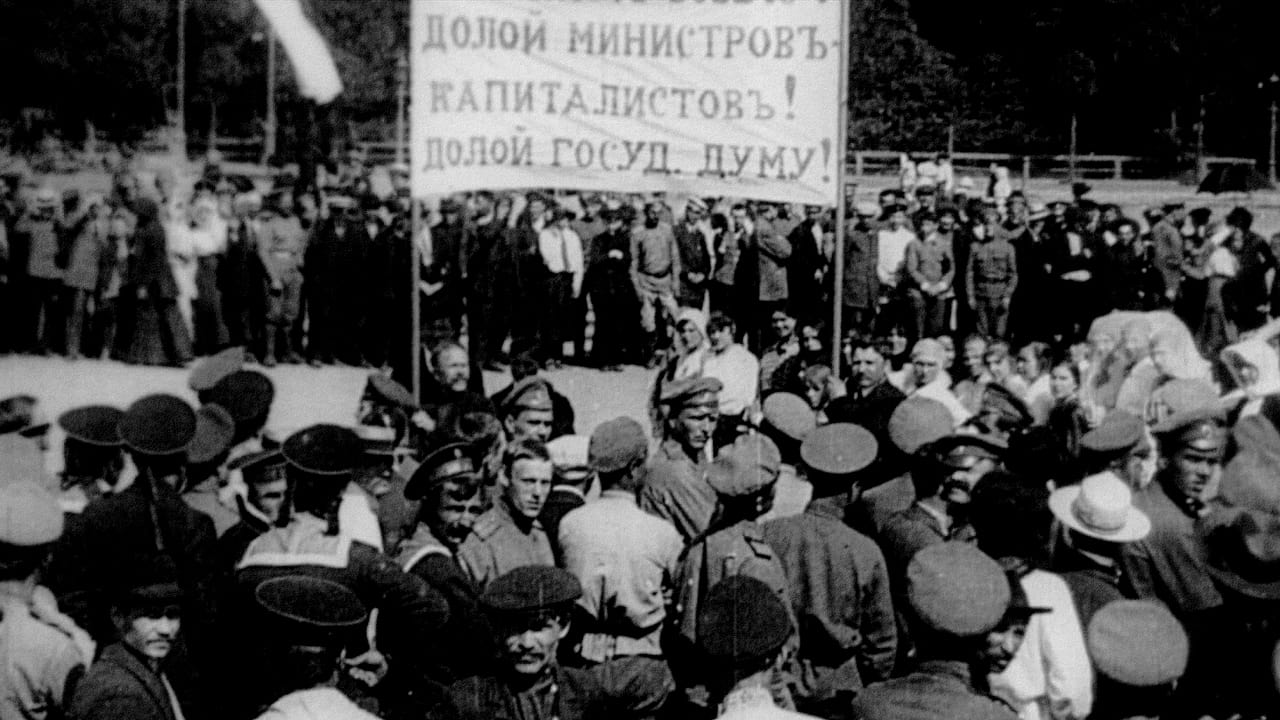
A chronicle of the Russian Revolution of 1917, from the bourgeois democratic February Revolution to the great socialist October Revolution and the final triumph.
Top Cast
Vladimir Purishkevich
Self - Politician
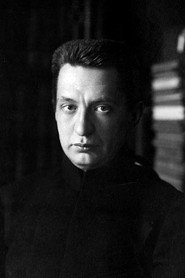
Alexander Kerensky
Self - Politician
Mikhail Rodzianko
Self - Politician
Alexander Guchkov
Self - Politician
Nikolai V. Nekrasov
Self - Politician
Mikhail Stakhovich
Self - Politician
Ivan N. Efremov
Self - Politician
G. A. Yakubovich
Self - Politician
Andrei Manuilov
Self - Politician
Nikolai Chkheidze
Self - Politician
Fyodor Dan
Self - Politician
Ivan Gvozdev
Self - Politician

Vladimir Purishkevich
Vladimir Purishkevich
Self - Politician
Vladimir Purishkevich
Self - Politician
Alexander Kerensky
Alexander Kerensky
Self - Politician
Alexander Kerensky
Self - Politician
Mikhail Rodzianko
Mikhail Rodzianko
Self - Politician
Mikhail Rodzianko
Self - Politician
Alexander Guchkov
Alexander Guchkov
Self - Politician
Alexander Guchkov
Self - Politician
Nikolai V. Nekrasov
Nikolai V. Nekrasov
Self - Politician
Nikolai V. Nekrasov
Self - Politician
Mikhail Stakhovich
Mikhail Stakhovich
Self - Politician
Mikhail Stakhovich
Self - Politician
Ivan N. Efremov
Ivan N. Efremov
Self - Politician
Ivan N. Efremov
Self - Politician
G. A. Yakubovich
G. A. Yakubovich
Self - Politician
G. A. Yakubovich
Self - Politician
Andrei Manuilov
Andrei Manuilov
Self - Politician
Andrei Manuilov
Self - Politician
Nikolai Chkheidze
Nikolai Chkheidze
Self - Politician
Nikolai Chkheidze
Self - Politician
Similar Movies
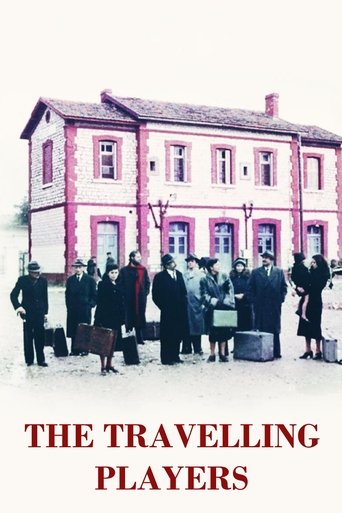
A traveling theatre troupe tours the Greek countryside from 1939 to the early 1950s, staging “Golfo the Shepherdess”. As the years pass, its members endure persecution, betrayal, executions, and exile. Their personal stories become entangled with the country’s major historical events, in a seemingly endless cycle of violence and loss.
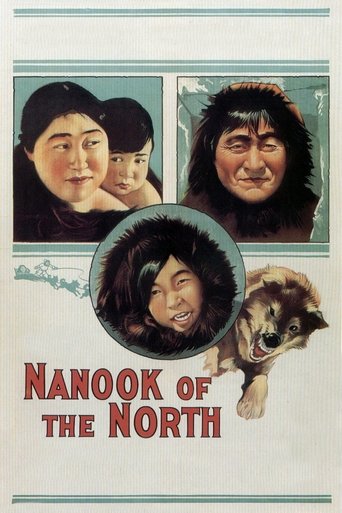
This pioneering documentary film depicts the lives of the indigenous Inuit people of Canada's northern Quebec region. Although the production contains some fictional elements, it vividly shows how its resourceful subjects survive in such a harsh climate, revealing how they construct their igloo homes and find food by hunting and fishing. The film also captures the beautiful, if unforgiving, frozen landscape of the Great White North, far removed from conventional civilization.
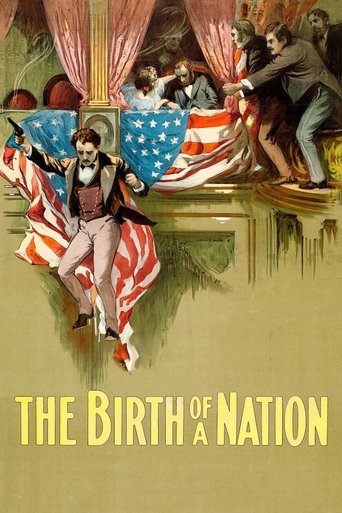
Two families, abolitionist Northerners the Stonemans and Southern landowners the Camerons, intertwine. When Confederate colonel Ben Cameron is captured in battle, nurse Elsie Stoneman petitions for his pardon. In Reconstruction-era South Carolina, Cameron founds the Ku Klux Klan, battling Elsie's congressman father and his African-American protégé, Silas Lynch.
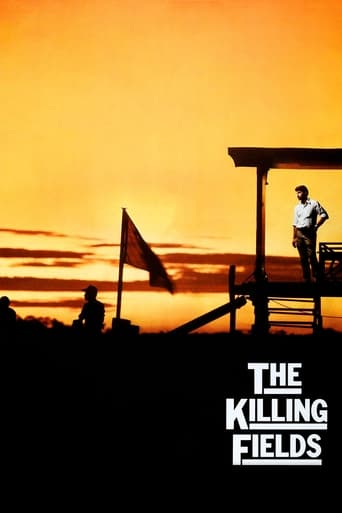
New York Times reporter Sydney Schanberg is on assignment covering the Cambodian Civil War, with the help of local interpreter Dith Pran and American photojournalist Al Rockoff. When the U.S. Army pulls out amid escalating violence, Schanberg makes exit arrangements for Pran and his family. Pran, however, tells Schanberg he intends to stay in Cambodia to help cover the unfolding story — a decision he may regret as the Khmer Rouge rebels move in.
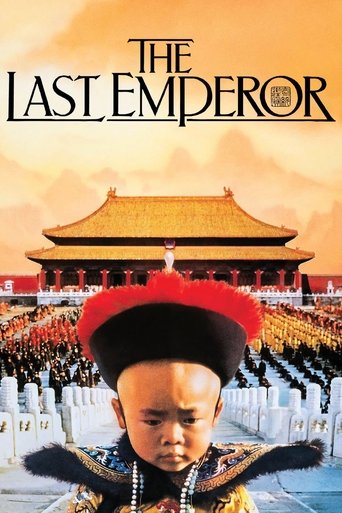
A dramatic history of Pu Yi, the last of the Emperors of China, from his lofty birth and brief reign in the Forbidden City, the object of worship by half a billion people; through his abdication, his decline and dissolute lifestyle; his exploitation by the invading Japanese, and finally to his obscure existence as just another peasant worker in the People's Republic.
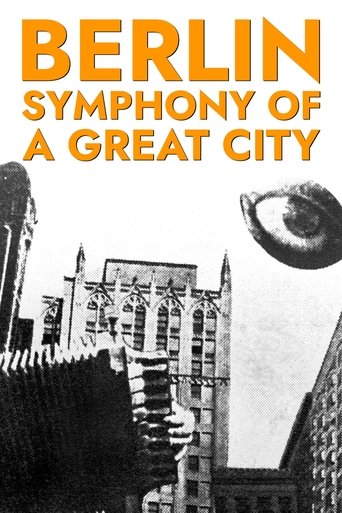
A day in the city of Berlin, which experienced an industrial boom in the 1920s, and still provides an insight into the living and working conditions at that time. Germany had just recovered a little from the worst consequences of the First World War, the great economic crisis was still a few years away and Hitler was not yet an issue at the time.
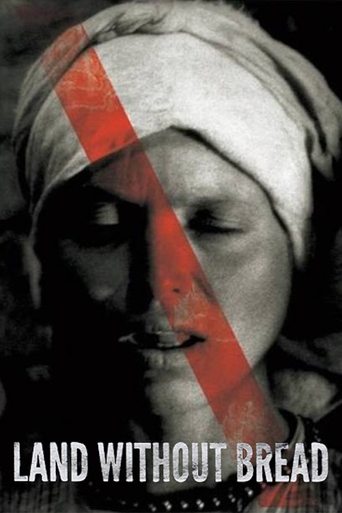
An exploration —manipulated and staged— of life in Las Hurdes, in the province of Cáceres, in Extremadura, Spain, as it was in 1932. Insalubrity, misery and lack of opportunities provoke the emigration of young people and the solitude of those who remain in the desolation of one of the poorest and least developed Spanish regions at that time.
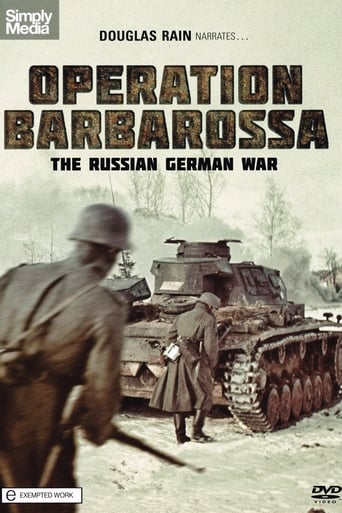
This is a rare look at one of the worst horror stories in the long infamous history of warfare. This series features captured German and Russian film footage, much of which has never been seen before. For decades the Cold War prevented us from looking closely at what really happened between the Russians and the Germans on the Eastern Front during World War II. More than a struggle between nations, it pitted maniacal tyrant against maniacal tyrant, evil ideology against evil ideology. The lives of tens of millions of human beings were consumed by its raging hatreds and appalling indignities. One in every ten Russians died. One in every four Poles died. Whole divisions of Italians, Romanians, Hungarians disappeared with barely a trace. An average of 17,800 people died on every single day and this, the war on the Russian German Front, lasted for 1,400 days. This series features captured German and Russian film footage, much of which has never been seen before.
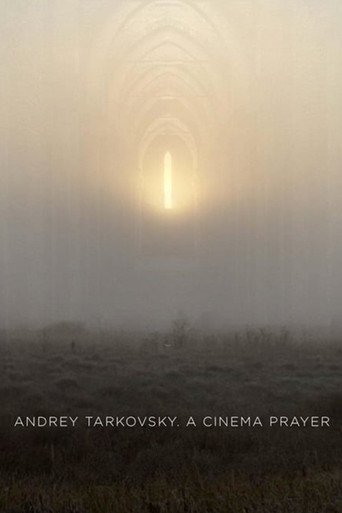
An account of the life and work of Russian filmmaker Andrey Tarkovsky (1932-86) in his own words: his memories, his vision of art and his reflections on the fate of the artist and the meaning of human existence; through extremely rare audio recordings that allow a complete understanding of his inner life and the mysterious world existing behind his complex cinematic imagery.