

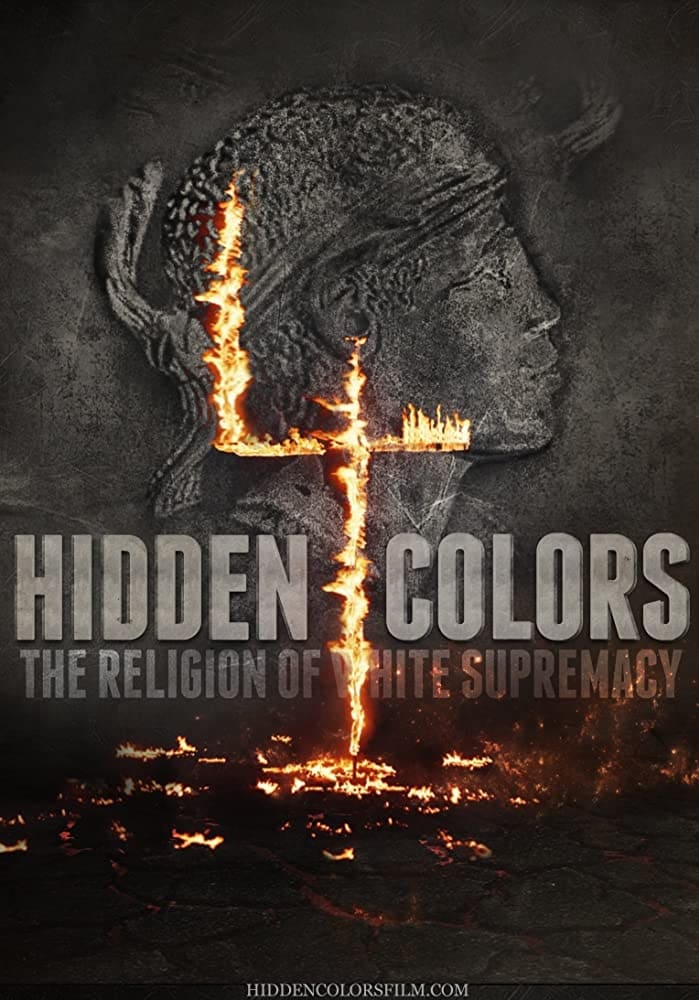
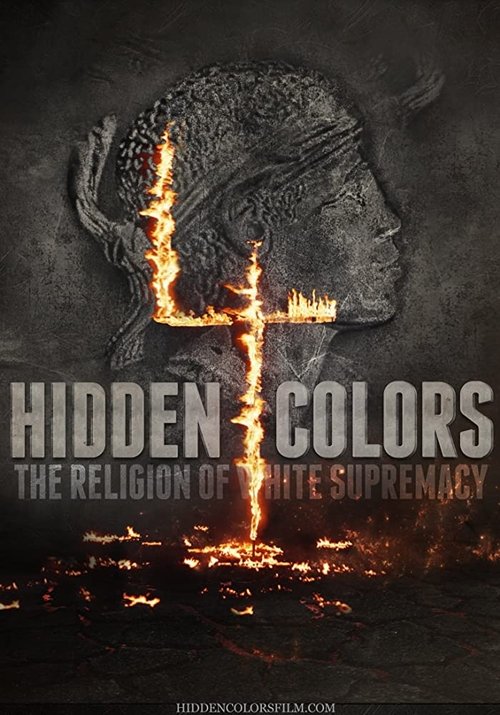
Hidden Colors 4: The Religion of White Supremacy
Documentary
Overview
Hidden Colors 4: The Religion Of White Supremacy is the latest follow up film to the critically acclaimed hit documentary series Hidden Colors. In this installment of the Hidden Colors series, the film explores topics such as: The motivation behind European global subjugation The history of rarely discussed vast West African empires How germ warfare is used on melanated people The history of slave breeding farms in America And much more.



Llaila Afrika
Llaila Afrika
Himself
Llaila Afrika
Himself
Delbert Blair
Delbert Blair
Himself
Delbert Blair
Himself
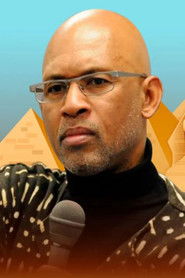
Tony Browder
Tony Browder
Himself
Tony Browder
Himself
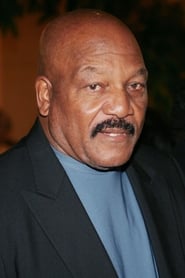
Jim Brown
Jim Brown
Himself
Jim Brown
Himself
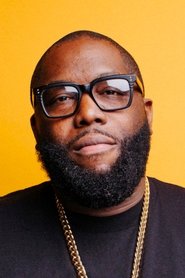
Killer Mike
Killer Mike
Himself
Killer Mike
Himself
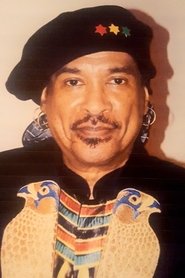
Kaba Kamene
Kaba Kamene
Himself
Kaba Kamene
Himself
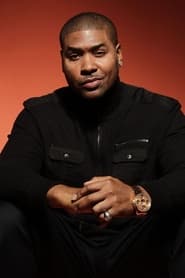
Tariq Nasheed
Tariq Nasheed
Himself
Tariq Nasheed
Himself

Boyce Watkins
Boyce Watkins
Himself
Boyce Watkins
Himself
Nteri Nelson
Nteri Nelson
Herself
Nteri Nelson
Herself
Patricia Newton
Patricia Newton
Herself
Patricia Newton
Herself
Similar Movies
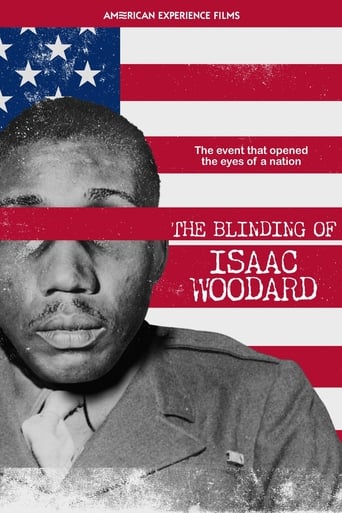
In 1946, Isaac Woodard, a Black army sergeant on his way home to South Carolina after serving in WWII, was pulled from a bus for arguing with the driver. The local chief of police savagely beat him, leaving him unconscious and permanently blind. The shocking incident made national headlines and, when the police chief was acquitted by an all-white jury, the blatant injustice would change the course of American history. Based on Richard Gergel’s book Unexampled Courage, the film details how the crime led to the racial awakening of President Harry Truman, who desegregated federal offices and the military two years later. The event also ultimately set the stage for the Supreme Court’s landmark 1954 Brown v. Board of Education decision, which finally outlawed segregation in public schools and jumpstarted the modern civil rights movement.

The life and work of New York artist Jean-Michel Basquiat have been marked by a long quest for identity, by his Haitian and Puerto Rican family origins and by a founding trip to Africa. To portray this major painter of the 20th century, who died in 1988 at only 27 years old, is also to evoke the place of black American artists in the conservative and racist America of the Reagan years.
Under pressure from activist groups, art is increasingly being cancelled for ideological reasons, because of 'cultural appropriation' or because of the desire for a 'safe space'. The colour and gender of the artist seem to be all-determining in this. How do you relate to this as an artist? Is this a disturbing development or a sign of emancipation? And what does it mean for freedom of expression? Director Karin Junger investigates this with Anne-Fay Kops, Ted van Lieshout, Angel-Rose Oedit Doebé, Raymi Sambo, Boris van Berkum, Marian Markelo, Stephan Sanders and Thomas Chatterton Williams.
When a group of Eritrean refugees arrive in the small town of Härnösand there is a growing sentiment against them from the locals. 17-year old Sara Westin decides to found an anti-racist group to combat these feelings but when Sara and her best friend are murdered by Sara's Eritrean ex-boyfriend the feelings in the city reach a boiling point.

Born June 8, 1964, Frank Matter films four "twins", born the same day as him, but in other latitudes. Interweaving their life stories with rich archival material, the filmmaker links these Parallel Lives with elements from his own biography, to compose a fascinating fresco where intimate trajectories are part of the advent of the global village.
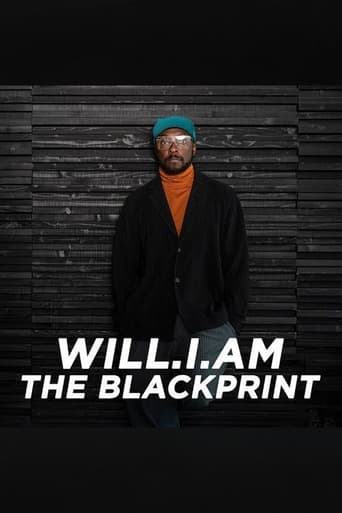
The Blackprint explores what it means to be Black and British. will.i.am traveled the UK to meet civil rights heroes, schoolchildren and technology trailblazers while also exploring issues they face because of their race. A basic look at racial discrimination experienced by young Black men and women but also, where it began with the slave trade in the 1800s.