

Marie's Children
Drama · TV Movie · War
Overview
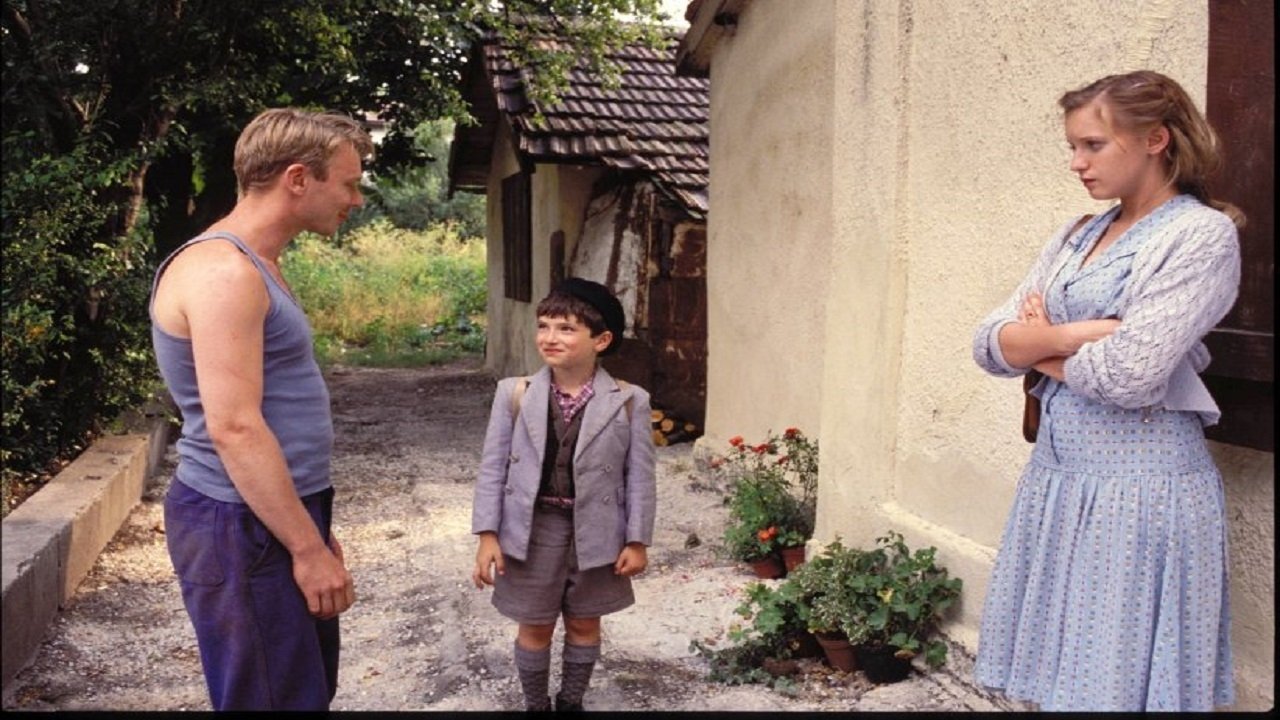
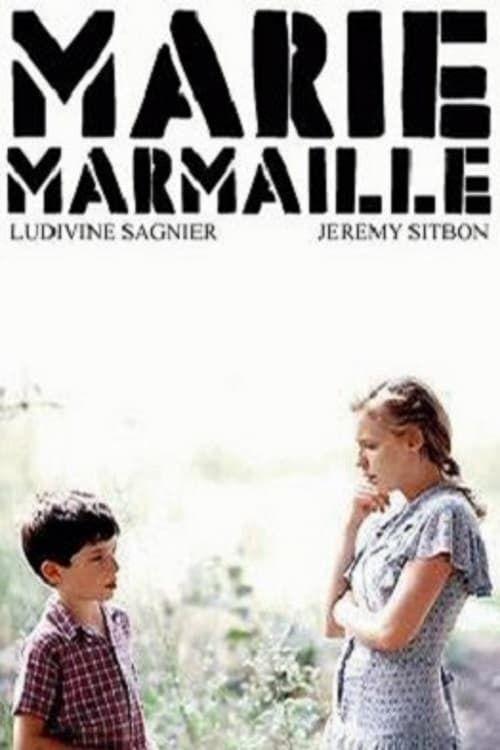
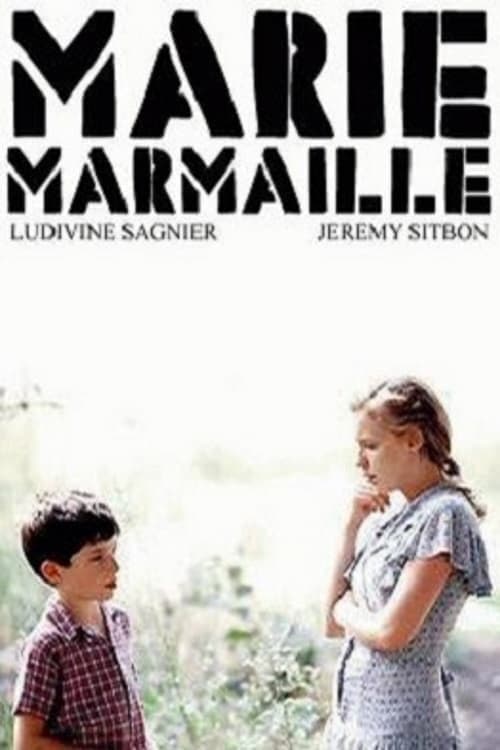
During the German occupation of France, a young woman - Marie - finds a Jewish boy in her room. His parents and other Jewish neighbors have been just been deported, but Maurice (the boy) escaped. Marie decides to hide him, secretly.










Ludivine Sagnier
Ludivine Sagnier
Marie
Ludivine Sagnier
Marie
Jérémy Sitbon
Jérémy Sitbon
Maurice
Jérémy Sitbon
Maurice

Christian Charmetant
Christian Charmetant
Gaudinier
Christian Charmetant
Gaudinier

Benoît Giros
Benoît Giros
Yves
Benoît Giros
Yves
Dominique Monegger
Dominique Monegger
The janitor
Dominique Monegger
The janitor

Christian Sinniger
Christian Sinniger
Mary's father
Christian Sinniger
Mary's father

Michèle Brousse
Michèle Brousse
Mary's mother
Michèle Brousse
Mary's mother

Valérie Moreau
Valérie Moreau
Paulette
Valérie Moreau
Paulette
Farah Ghoul
Farah Ghoul
Lucie
Farah Ghoul
Lucie
Alice Chetail
Alice Chetail
Sophie
Alice Chetail
Sophie
Similar Movies
Near the end of World War II, Gen. Dietrich von Choltitz receives orders to burn down Paris if it becomes clear the Allies are going to invade, or if he cannot maintain control of the city. After much contemplation Choltitz decides to ignore his orders, enraging the Germans and giving hope to various resistance factions that the city will be liberated. Choltitz, along with Swedish diplomat Raoul Nordling, helps a resistance leader organize his forces.
In Montauban in 1944, Julien Dandieu is a surgeon in the local hospital. Frightened by the German army entering Montauban, he asks his friend Francois to drive his wife and his daughter in the back country village where Julien has an old castle. One week later, Julien decides to meet them for the week end, but the Germans are already occupying the village.
After his father is murdered by the Nazis in 1938, a young Viennese Jew named Ferry Tobler flees to Prague, where he joins forces with another expatriate and a sympathetic Czech relief worker. Together with other Jewish refugees, the three make their way to Paris, and, after spending time in a French prison camp, eventually escape to Marseille, from where they hope to sail to a safe port.
From May 10, 1940, France is living one of the worst tragedies of it history. In a few weeks, the country folds, and then collapsed in facing the attack of the Nazi Germany. On June 1940, each day is a tragedy. For the first time, thanks to historic revelations, and to numerous never seen before images and documents and reenacted situations of the time, this film recounts the incredible stories of those men and women trapped in the torment of this great chaos.
Two beautiful and different girls, Alice and Lisette are 17 years old, when forcibly removed from their Alsatian family to cooperate in the war effort in Germany. After spending six months in a indoctrination camp, they are both sent to a munitions factory where they are tasked to perform inhuman works. An explosion erupts, they are suspected of sabotage and threatened with being sent to a boot camp. Alice and Lisette believe they saved when transferred to a maternity where they continue living the hell of war.
A young Jewish girl, Sara, is looking to escape the clutches of the Third Reich after seeing her parents and sister brutally slain by a smuggler who betrayed them while attempting to escape to England. Terrified, she is sheltered by her childhood friend Jean, a homosexual in a clandestine relationship with his lover Philippe.
Between June 1940 and March 1943, the 1,200 kilometer long demarcation line broke France in two. For almost three years she controlled the daily newspaper of 40 million French people. In the north the zone occupied by Hitler's soldiers, in the south the zone administered by Marshal Pétain's Vichy regime. This film lifts the veil in this theater on the shameful mistakes of the collaboration, but also on the most courageous and noble deeds. Archive images and film recordings at places where the border used to be crossed are alternated with interviews with the last witnesses of this time.