

La Ligne de démarcation, une France coupée en deux (1940-1943)
Documentary · History · War
Overview
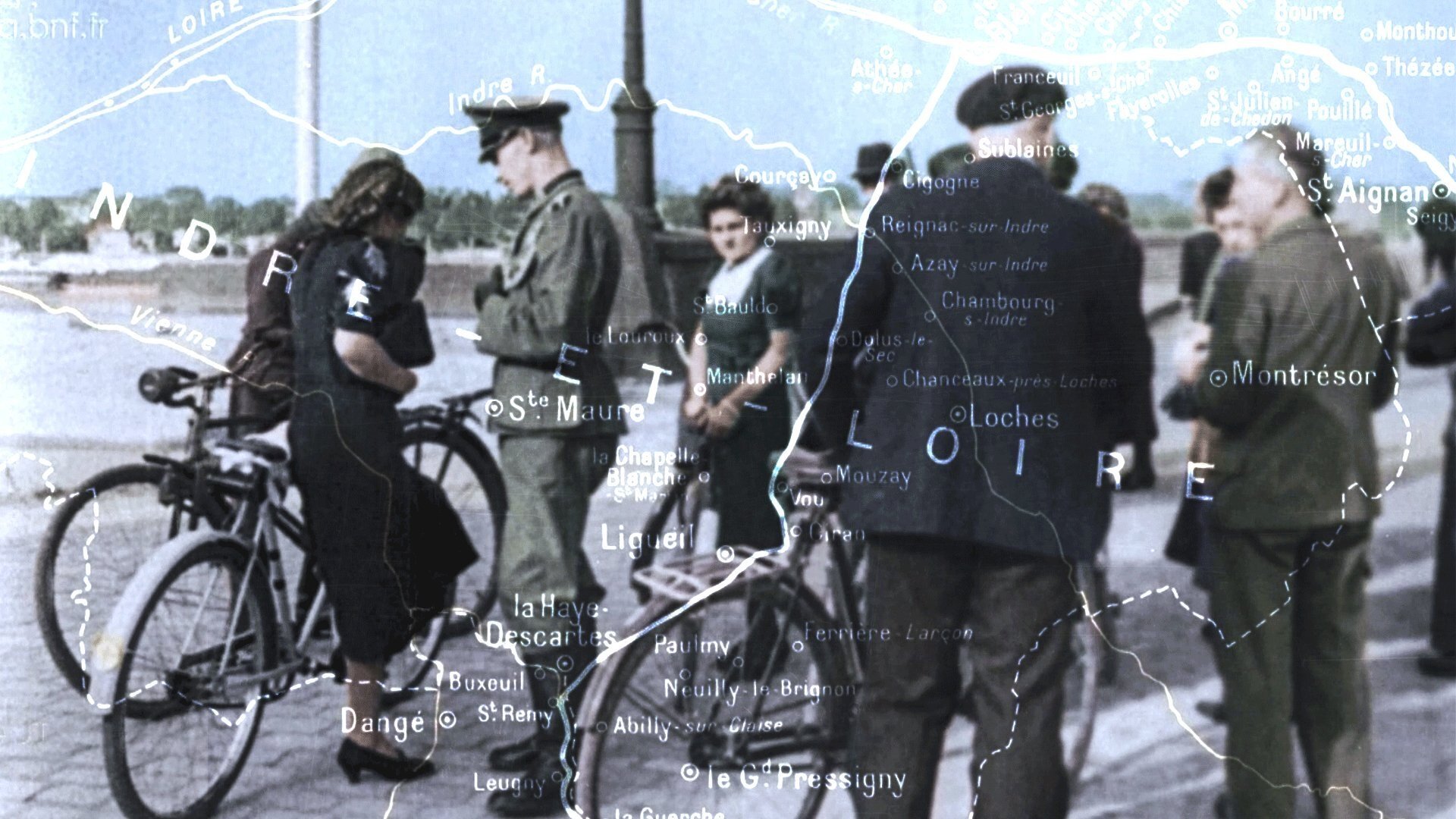
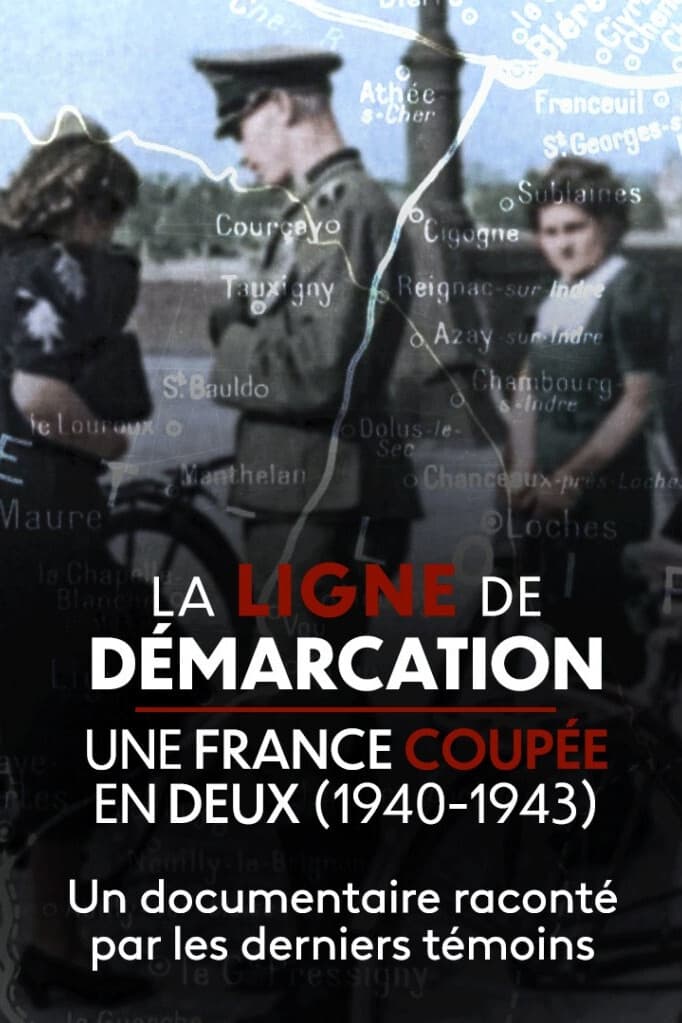
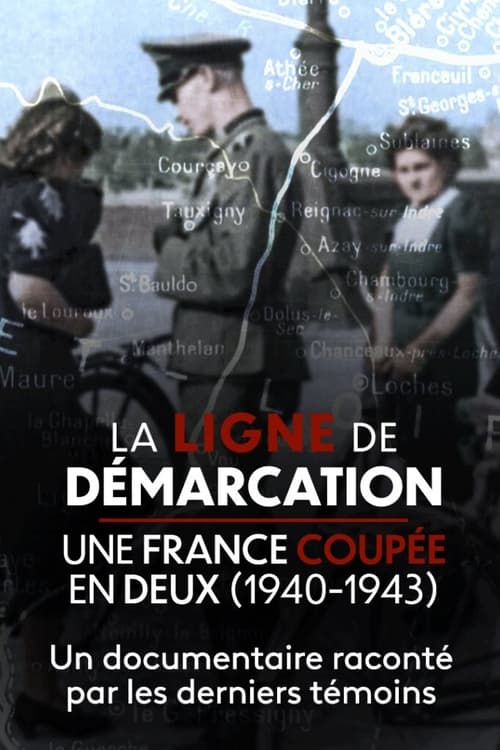
Between June 1940 and March 1943, the 1,200 kilometer long demarcation line broke France in two. For almost three years she controlled the daily newspaper of 40 million French people. In the north the zone occupied by Hitler's soldiers, in the south the zone administered by Marshal Pétain's Vichy regime. This film lifts the veil in this theater on the shameful mistakes of the collaboration, but also on the most courageous and noble deeds. Archive images and film recordings at places where the border used to be crossed are alternated with interviews with the last witnesses of this time.
Top Cast







Chloé Réjon
Chloé Réjon
Self (voice)
Chloé Réjon
Self (voice)

Georges Caudron
Georges Caudron
Self (voice)
Georges Caudron
Self (voice)

Bruno Magne
Bruno Magne
Self (voice)
Bruno Magne
Self (voice)

Louise Grinberg
Louise Grinberg
Self (voice)
Louise Grinberg
Self (voice)

Martin Amic
Martin Amic
Self (voice)
Martin Amic
Self (voice)

Sylvain Lemarie
Sylvain Lemarie
Self (voice)
Sylvain Lemarie
Self (voice)
Balthazar Gouzou
Balthazar Gouzou
Self (voice)
Balthazar Gouzou
Self (voice)
Marie-Christine Letort
Marie-Christine Letort
Self (voice)
Marie-Christine Letort
Self (voice)
Claude Leconte
Claude Leconte
Self
Claude Leconte
Self
Monique Fermé
Monique Fermé
Self
Monique Fermé
Self
Similar Movies
The crew of kontroll.hu traveled to Transcarpathia, Ukraine, to film among orphaned children in Munkács and lonely elders in Tiszakeresztúr. The documentary follows a single day in the life of Reverend József Sipos, a Reformed pastor whose calling extends far beyond the pulpit. From abandoned hospital wards to remote village homes, he brings words of comfort, food, and aid to those left behind in the shadow of the Russian–Ukrainian war. Just a mile and a half from the Hungarian border—a mile and a half from peace—the film reveals the stark reality of life lived on the very edge of hope.
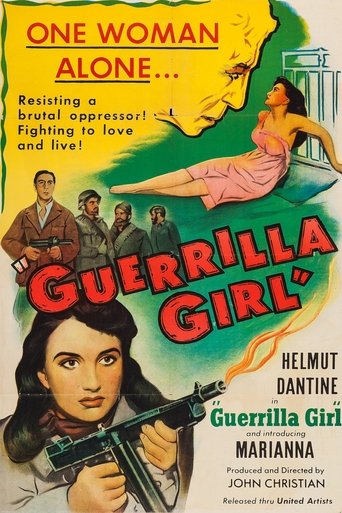
During World War II, Helmut Dantine specialized in playing villainous Nazis in Hollywood melodramas. He offers a compelling performance in a variation of these earlier roles in this suspense filled and politically loaded tale of intrigue. The story opens in German-occupied Athens during the darkest hours of the war. Civilians are not allowed on the streets after dark.
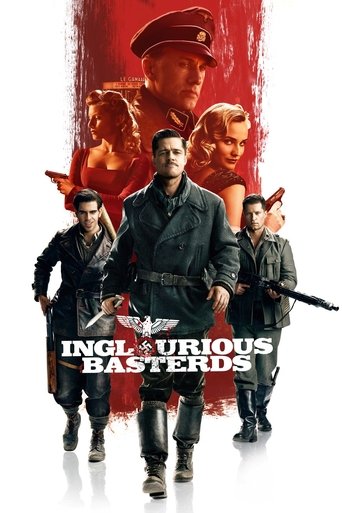
In Nazi-occupied France during World War II, a group of Jewish-American soldiers known as "The Basterds" are chosen specifically to spread fear throughout the Third Reich by scalping and brutally killing Nazis. The Basterds, lead by Lt. Aldo Raine soon cross paths with a French-Jewish teenage girl who runs a movie theater in Paris which is targeted by the soldiers.
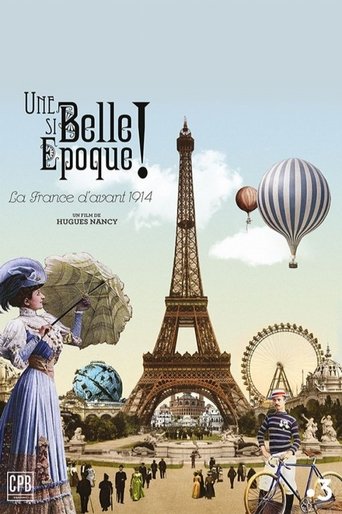
In 1900, the eyes of the whole world are on Paris. The World's Fair welcomed 50 million amazed visitors, and the city celebrated itself in a glamorous era. This period went down in history as the "Belle Époque." Elaborately restored and colorized historical photographs bring to life the exciting life in Paris between the end of the 19th century and the beginning of World War I in 1914. Bicycles, cars, airplanes, moving pictures, newly founded film studios, revolutionary composers and painters, avant-garde ballet performances, fashion houses, summer resorts on the Atlantic coast – life was intoxicating. People celebrate in the variety shows, cabarets, and revue theaters of Paris. Moulin Rouge, Folies Bergères, Bal Tabarin—in Paris, the nights are long and life is too short to sleep through. It is a dance on the volcano, given the political developments in the world.
In 1939, just finished the Spanish Civil War, Spanish republican photographer Francesc Boix escapes from Spain; but is captured by the Nazis in 1940 and imprisoned in the Mauthausen concentration camp, in Austria, a year later. There, he works as a prisoner in the SS Photographic Service, hiding, between 1943 and 1945, around 20,000 negatives that later will be presented as evidence during several trials conducted against Nazi war criminals after World War II.