

Miwa: A Japanese Icon
Documentary
Overview
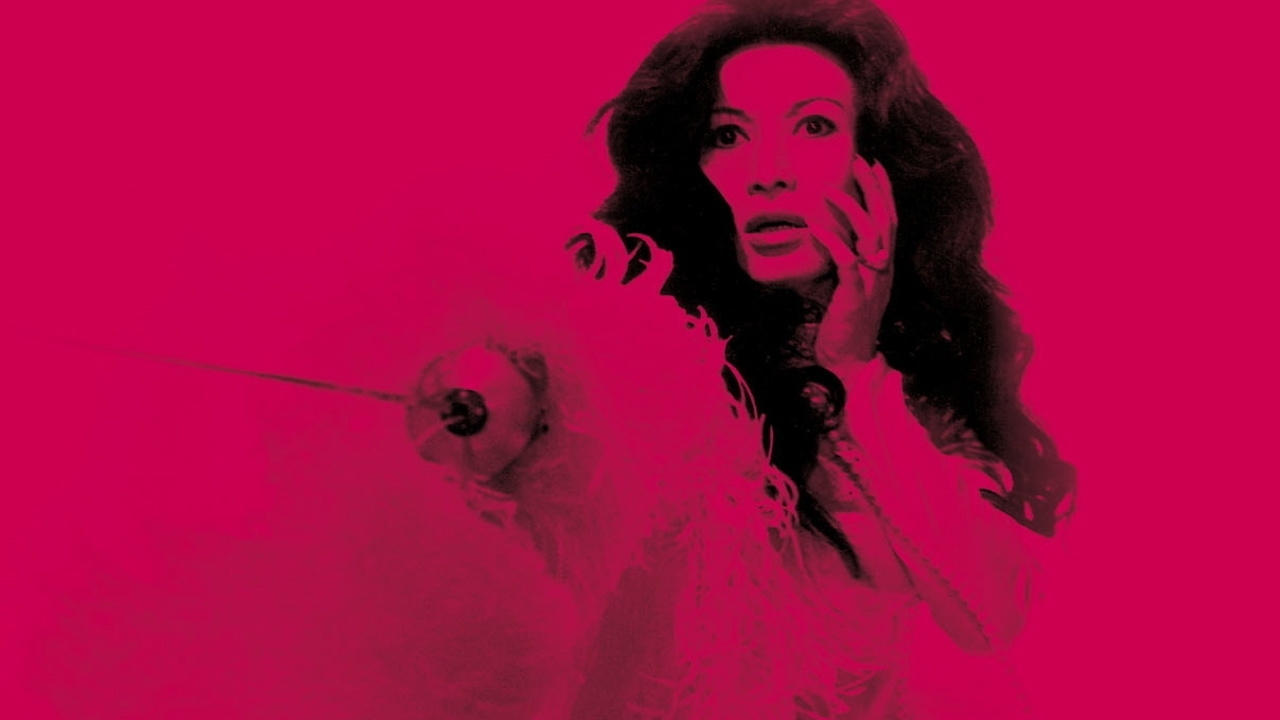
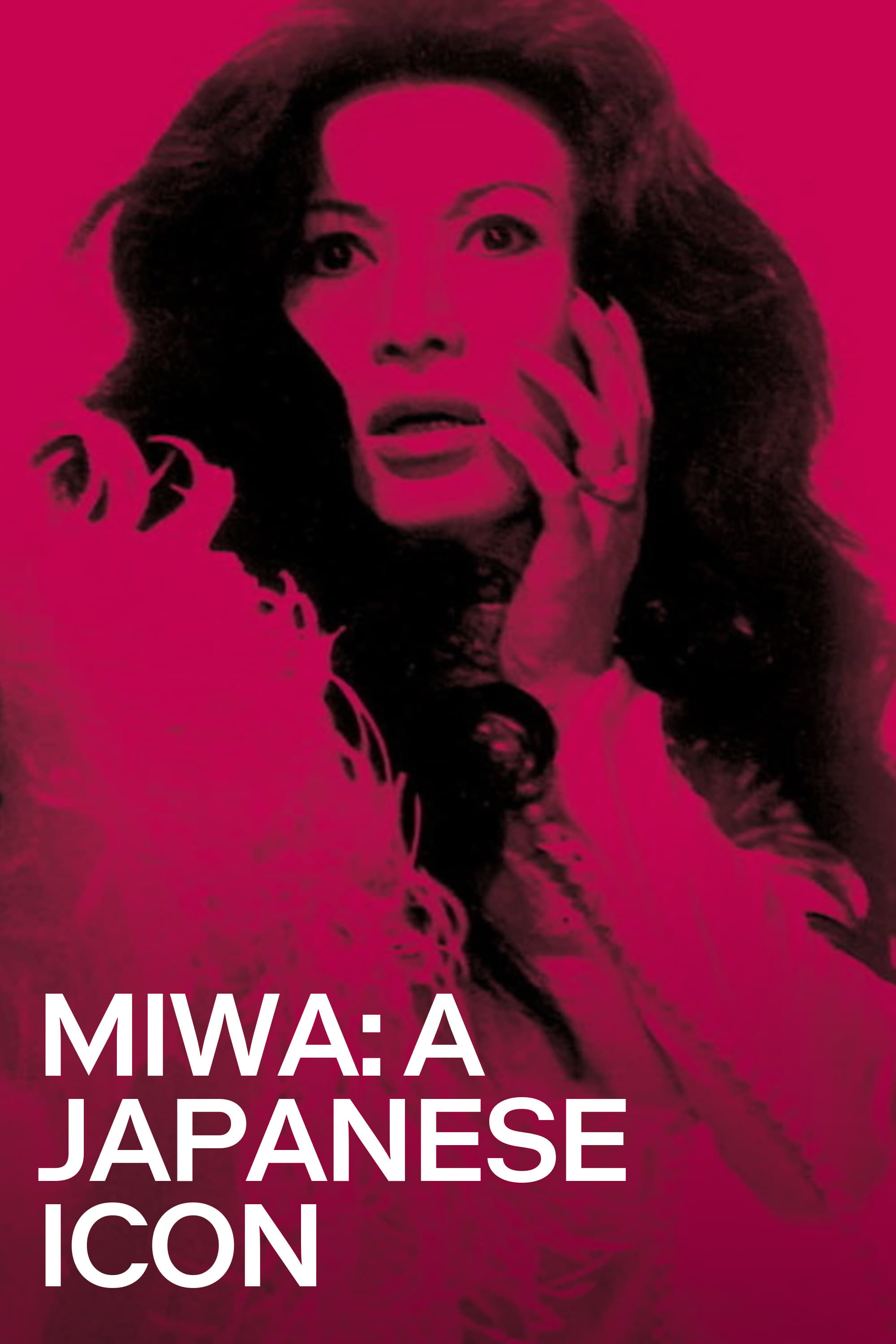
A legendary entertainer and a pioneer of gay activism, Miwa was born Akihiro Maruyama. As a young singer, Miwa popularized androgyny as a fashion statement, fusing the masculine and the feminine into a signal of a new generation of aesthetics. This evolved into performing as a woman and living off-stage as a man. With glitter, wit, evening gowns, and enchanting storytelling, Miwa looks back over a 50-year career and a fascinating life in music, film, and television.







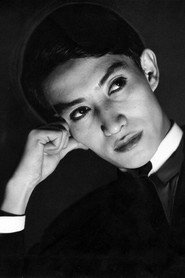
Akihiro Miwa
Akihiro Miwa
Himself
Akihiro Miwa
Himself

Kinji Fukasaku
Kinji Fukasaku
Himself (archive footage)
Kinji Fukasaku
Himself (archive footage)
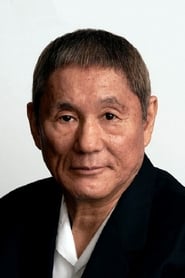
Takeshi Kitano
Takeshi Kitano
Himself
Takeshi Kitano
Himself
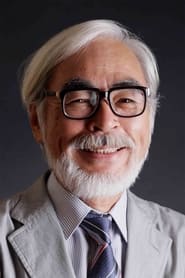
Hayao Miyazaki
Hayao Miyazaki
Himself
Hayao Miyazaki
Himself

Tadanori Yokoo
Tadanori Yokoo
Himself
Tadanori Yokoo
Himself
Similar Movies
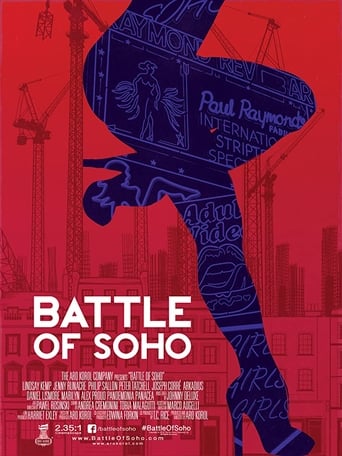
In November 2014 the Iconic club Madame Jojos closed its doors. This event being interpreted by many as the death knell of Soho.The gentrification of Soho affects the LGBT community and its Drag Queen sub-culture, but the cabaret atmosphere of the entire neighborhood in enormous ways. This active pursuit to destroy a bubbling and vibrant part of the city's heart is viewed by many as an atrocity akin to turning the lights off on Broadway. Over 3rd of London's music venues have been closed in recent years and no one noticed. An active movement to bring a halt to this disaster has begun to unfold with one organization after another emerging to fight for Soho. Organizations made up of citizens and celebrities have sprung up to combat this onslaught. Will they win this battle and save Soho?

In the indigenous communities around the town of Juchitán, the world is not divided simply into males and females. The local Zapotec people have made room for a third category, which they call “muxes” - men who consider themselves women and live in a socially sanctioned limbo between the two genders.

In late 1955 and early 1956, the citizens of Boise, Idaho believed there was a menace in their midst. On Halloween, investigators arrested three men on charges of having sex with teenage boys. The investigators claimed the arrests were just the tip of the iceberg-they said hundreds of boys were being abused as part of a child sex ring. There was no such ring, but the result was a widespread investigation which some people consider a witch hunt. By the time the investigation ended, 16 men were charged. Countless other lives were also touched.In some cases, men implicated fled the area. At least one actually left the country. The investigation attracted attention in newspapers across the nation, including Time Magazine. The "Morals Drive" left scars which remain to this day.

Through archival footage of his parents' wedding, the filmmaker reflects on love and marriage in contemporary Serbia. Observing traditional Balkan rituals, he questions his own place as an LGBT individual in a society resistant to equality. The film explores the tension between tradition and modern love, and the hope for a future where everyone can experience love freely. Through his personal journey, he confronts family expectations and dreams of acceptance.
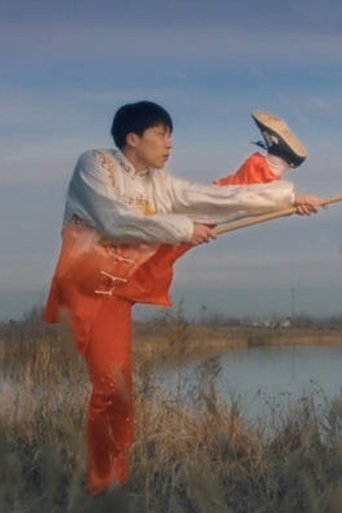
Young Masters is an original series commissioned by NOWNESS China focusing on traditional Chinese cultures, and how they continue to be defined by a new generation of the country's youth. Its first episode, Young Masters: Bajiquan, spotlights Wu Hao (吴昊), a young man in his twenties from Hebei province who is a stalwart practitioner of Bajiquan—a traditional Chinese fighting style known for its graceful stillness and sudden moments of targeted and ferocious violence. Director Haonan Shen traveled to the Mengcun Bajiquan International Training Center to profile Wu Hao whose paternal ancestor Wu Zhong (1712–1802) was the first recorded Bajiquan teacher. In this evocative portrait of a young man’s passion for sharing his family’s rich heritage, we get up close and personal with the violent elbow strikes, staff jabs, fierce rising and firm falling stances that characterize the martial art.
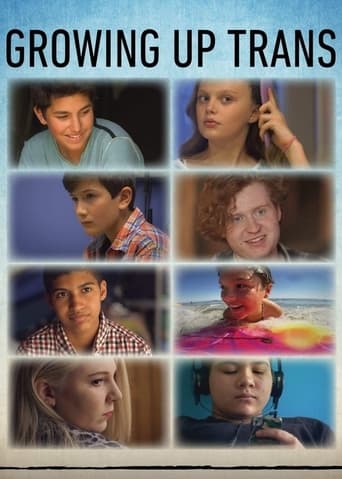
Just a generation ago, it was adults, not kids, who changed genders. But today, many children are transitioning, too—with new medical options, and at younger and younger ages. Told from the perspective of parents, doctors, and, most revealing of all, the kids themselves, the documentary takes a powerful look at this new generation, exploring the medical possibilities, struggles and choices transgender kids and their families face today.
The video revolution of the 1970s offered unprecedented access to the moving image for artists and performers. This Is Not a Dream explores the legacies of this revolution and its continued impact on contemporary art and performance. Charting a path across four decades of avant-garde experiment and radical escapism, This Is Not a Dream traces the influences of Andy Warhol, John Waters and Jack Smith to the perverted frontiers of YouTube and Chatroulette, taking in subverted talk shows and soap operas, streetwalker fashions and glittery magic penises along the way.