

Our Time, Our Story
Documentary
Overview
Richly illustrated with film clips and interviews, OUR TIME, OUR STORY tells the still-evolving story of the Taiwanese "new wave," from its rise in the early 1980s, as the island was democratizing after decades under martial law, through growing international recognition and domestic debate in the 1990s. Spearheaded in its early years by such filmmakers as Edward Yang, Ko I-cheng, Hou Hsiao-hsien and Wan Jen, the movement revitalized Taiwan cinema through low-budget experiments that emphasized personal stories, political reflection and stylistic invention. Said filmmakers, writers and actors like Wu Nien-jen and Sylvia Chang, even "second wave" directors Tsai Ming-liang and Lin Cheng-sheng provide fond reminiscences and retrospective insights in this compelling account of one of the most distinctive national cinemas of the last quarter-century.



Sylvia Chang
Sylvia Chang
Self
Sylvia Chang
Self
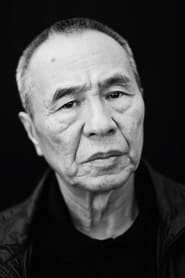
Hou Hsiao-hsien
Hou Hsiao-hsien
Self
Hou Hsiao-hsien
Self

Tsai Ming-liang
Tsai Ming-liang
Self
Tsai Ming-liang
Self
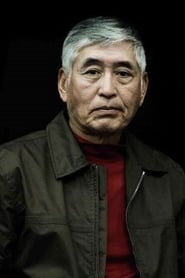
Ko I-chen
Ko I-chen
Self
Ko I-chen
Self
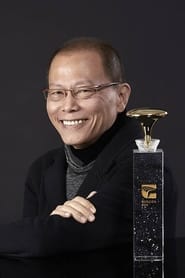
Chang Yi
Chang Yi
Self
Chang Yi
Self
Similar Movies
Jean-Luc Godard is synonymous with cinema. With the release of Breathless in 1960, he established himself overnight as a cinematic rebel and symbol for the era's progressive and anti-war youth. Sixty-two years and 140 films later, Godard is among the most renowned artists of all time, taught in every film school yet still shrouded in mystery. One of the founders of the French New Wave, political agitator, revolutionary misanthrope, film theorist and critic, the list of his descriptors goes on and on. Godard Cinema offers an opportunity for film lovers to look back at his career and the subjects and themes that obsessed him, while paying tribute to the ineffable essence of the most revered French director of all time.
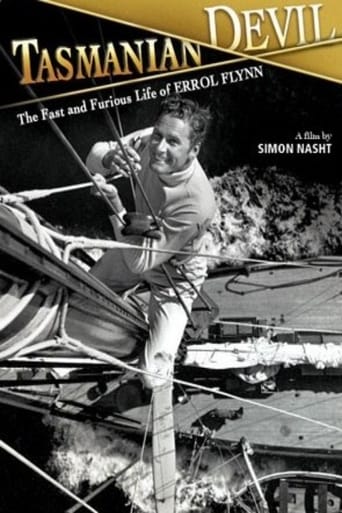
The story of Tasmanian-born actor Errol Flynn whose short & flamboyant life, full of scandals, adventures, loves and excess was largely played out in front of the camera - either making movies or filling the newsreels and gossip magazines. Tragically he was dead from the effects of drugs and alcohol by the time he was only 50 & the myths live on. But there is another side of Flynn that is less well known - his ambitions to be a serious writer and newspaper correspondent, his documentary films and his interest in the Spanish Civil War and Castro's Cuba
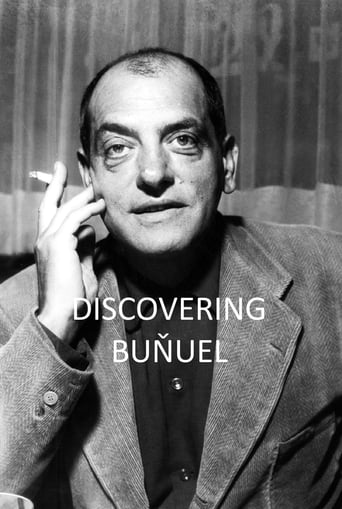
Luis Bunuel, the father of cinematic Surrealism, made his film debut with 'Un Chien Andalou' in 1929 working closely with Salvador Dali. Considered one of the finest and controversial filmmakers with, 'L’Age d’Or' (1930), attacking the church and the middle classes. He won many awards including Best Director at Cannes for 'Los Olvidados' (1950), and the coveted Palme d’Or for 'Viridiana' (1961), which had been banned in his native Spain. His career moved to France with 'The Diary of a Chambermaid' with major stars such as Jeanne Moreau and Catherine Deneuve.
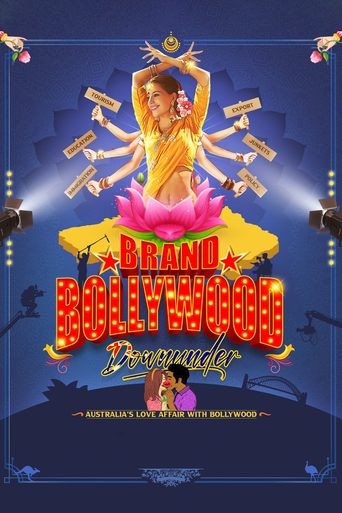
When most people think about Australia, they picture massive sandy beaches, singlet-clad locals drinking beer, and kangaroos bounding through the dusty red outback. Saris, musical numbers, and masala are the furthest from anyone's mind - unless of course, you're one of the millions of Bollywood fans from around the world.
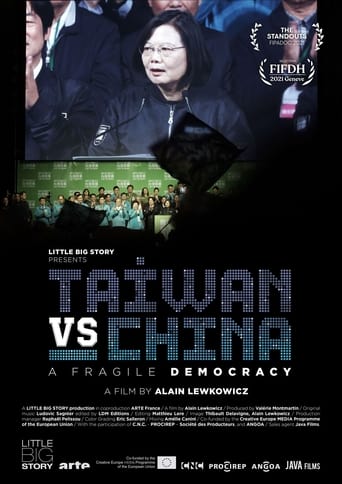
One Country, Two Systems? No Way! say the youth of Taiwan. But China under President Xi Jinping wants more than ever to bring the island of Taiwan back into the fold, just like Hong Kong. Can the burgeoning democracy on China’s doorstep, driven by digital technology, resist the Middle Kingdom’s advances? To China Taiwan is a breakaway province that must return to the fold. To its 24 million inhabitants it is a sovereign state with its own constitution and democratically elected leaders. Now that Hong Kong has been brought into line, Taiwan remains determined to stand up as a vibrant, young democracy. But it won't be easy. Since the Sunflower Movement in 2014 when the young came out to prevent an economic agreement with China, citizen groups have been fighting for the transparency of institutions.
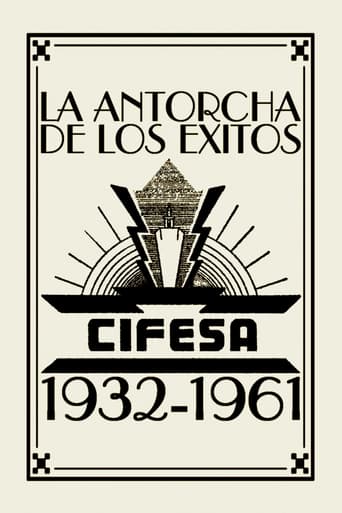
The amazing story of Cifesa, a mythical film production company founded in Valencia by the Casanova family that managed to dominate the box office during the turbulent times of the Second Spanish Republic, the carnage of the Civil War and the hardships of the long post-war period and Franco's dictatorship — and survive until the sixties, when Spain was timidly beginning to change.