

Scotland: Edinburgh, the Highlands and the Hebrides
Documentary · Music
Overview
This fascinating musical exploration of Scotland retraces the journey taken in 1829 by acclaimed composer Felix Mendelssohn, which inspired some of his most famous works, such as the "Scottish" Symphony and "The Hebrides" overture. Travel from the majestic sites of the historic Edinburgh Castle, Scott Monument and Palace of Holyrood to the picturesque island of Staffa, home of the legendary Fingal's Cave.



No cast information.
Similar Movies
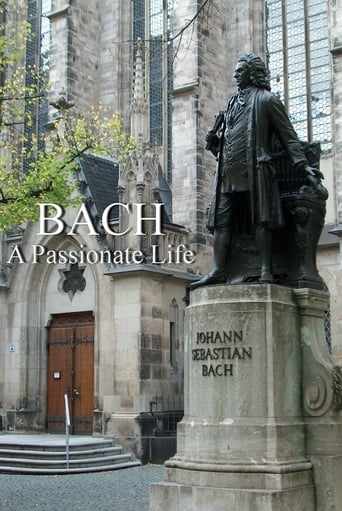
John Eliot Gardiner goes in search of Bach the man and the musician. The famous portrait of Bach portrays a grumpy 62-year-old man in a wig and formal coat, yet his greatest works were composed 20 years earlier in an almost unrivalled blaze of creativity. We reveal a complex and passionate artist; a warm and convivial family man at the same time a rebellious spirit struggling with the hierarchies of state and church who wrote timeless music that is today known world-wide. Gardiner undertakes a 'Bach Tour' of Germany, and sifts the relatively few clues we have - some newly-found. Most of all, he uses the music to reveal the real Bach.
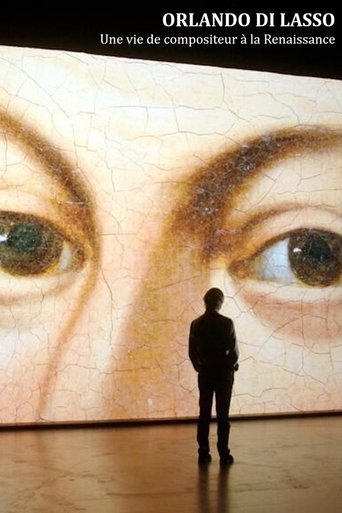
With an original staging of text and music, Orlando follows the trail of one of the greatest composers of the Renaissance: Orlando di Lasso (also known as Roland de Lassus). His life and masterful oeuvre continue to move people to this day. Although he was a European star at the time, di Lasso had to endure the indignities of his social status as a servant. This documentary explores the relationship between art and power, musically accompanied by the ensemble La Tempête.
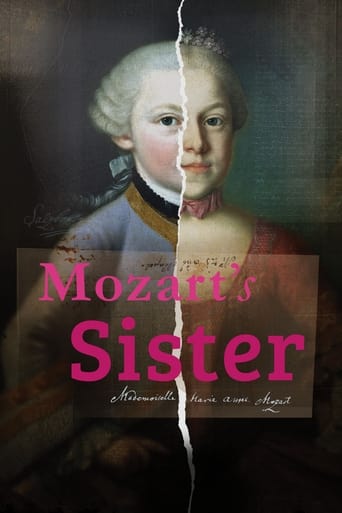
For the first 18 years of her life, Mozart’s sister shared equal billing with her brother. Musical partners and collaborators, Wolfgang Mozart and Maria-Anna Mozart played together before Kings and Queens, and were the talk of Europe. What happened to her? Forced into retirement by age 16 because she was a woman, a stunning new investigation explores why she was retired against her will and the explosive theory: did Maria-Anna Mozart continue to compose in secret?