

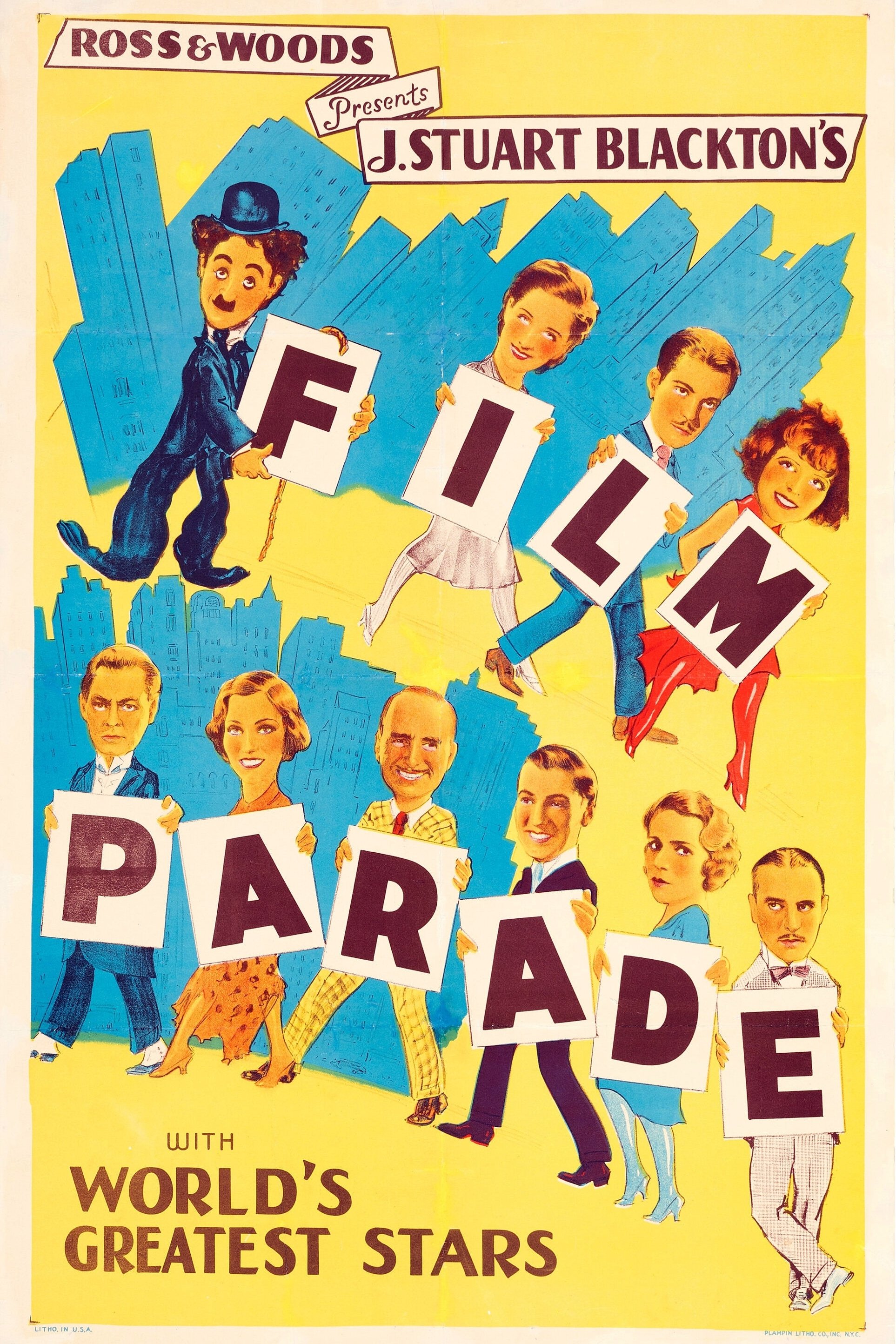
The Film Parade
History · Documentary
Overview
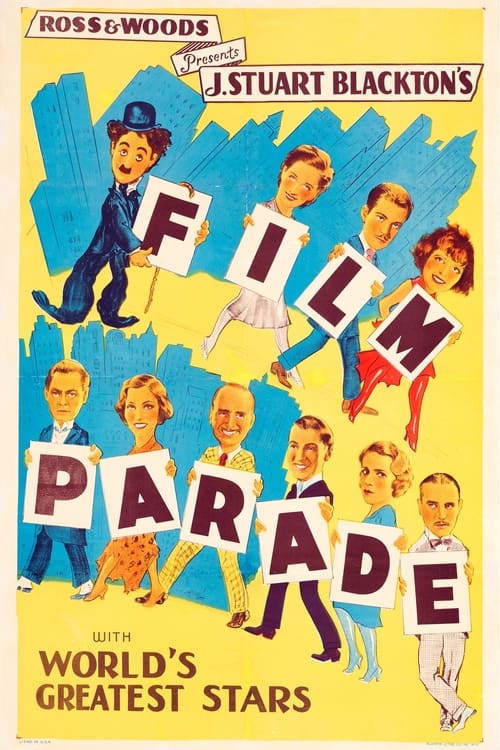
Pioneer filmmaker J. Stuart Blackton was intrigued by the idea of a film about the history of the movies as early as 1915. He finally released a 52-minute feature called The Film Parade that was shown in New York and favorably reviewed by "Variety" in 1933. He continued tinkering with the film for the rest of the decade, and later filmmakers and distributors used Blackton's footage for stock or to produce their own variously titled and truncated versions. -UCLA Film & Television Archive
Top Cast
Kent Stevenson
Self - Narrator (voice)
Charlie Chaplin
(archive footage) (uncredited)
Marlene Dietrich
(archive footage) (uncredited)
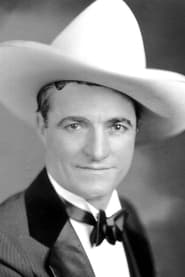
Tom Mix
(archive footage) (uncredited)
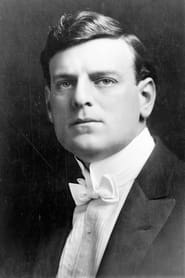
Gilbert M. Anderson
(archive footage) (uncredited)
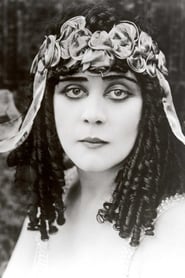
Theda Bara
(archive footage) (uncredited)
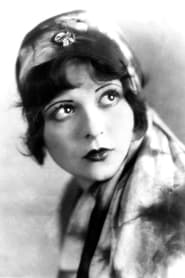
Clara Bow
(archive footage) (uncredited)
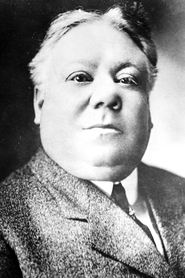
John Bunny
(archive footage) (uncredited)
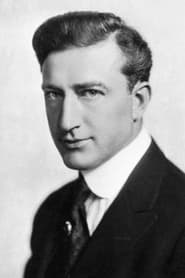
Francis X. Bushman
(archive footage) (uncredited)
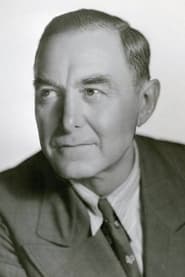
Harry Carey
(archive footage) (uncredited)
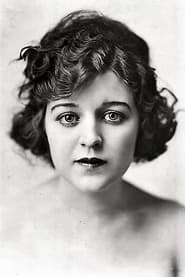
Marguerite Clayton
(archive footage) (uncredited)
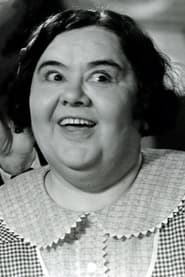
Mathilde Comont
(archive footage) (uncredited)


Kent Stevenson
Kent Stevenson
Self - Narrator (voice)
Kent Stevenson
Self - Narrator (voice)
Charlie Chaplin
Charlie Chaplin
(archive footage) (uncredited)
Charlie Chaplin
(archive footage) (uncredited)
Marlene Dietrich
Marlene Dietrich
(archive footage) (uncredited)
Marlene Dietrich
(archive footage) (uncredited)
Tom Mix
Tom Mix
(archive footage) (uncredited)
Tom Mix
(archive footage) (uncredited)
Gilbert M. Anderson
Gilbert M. Anderson
(archive footage) (uncredited)
Gilbert M. Anderson
(archive footage) (uncredited)
Theda Bara
Theda Bara
(archive footage) (uncredited)
Theda Bara
(archive footage) (uncredited)
Clara Bow
Clara Bow
(archive footage) (uncredited)
Clara Bow
(archive footage) (uncredited)
John Bunny
John Bunny
(archive footage) (uncredited)
John Bunny
(archive footage) (uncredited)
Francis X. Bushman
Francis X. Bushman
(archive footage) (uncredited)
Francis X. Bushman
(archive footage) (uncredited)
Harry Carey
Harry Carey
(archive footage) (uncredited)
Harry Carey
(archive footage) (uncredited)
Similar Movies
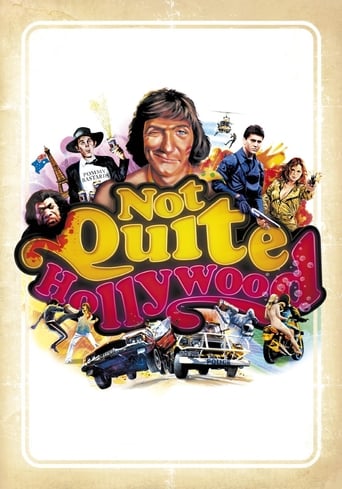
As Australian cinema broke through to international audiences in the 1970s through respected art house films like Peter Weir's "Picnic At Hanging Rock," a new underground of low-budget exploitation filmmakers were turning out considerably less highbrow fare. Documentary filmmaker Mark Hartley explores this unbridled era of sex and violence, complete with clips from some of the scene's most outrageous flicks and interviews with the renegade filmmakers themselves.
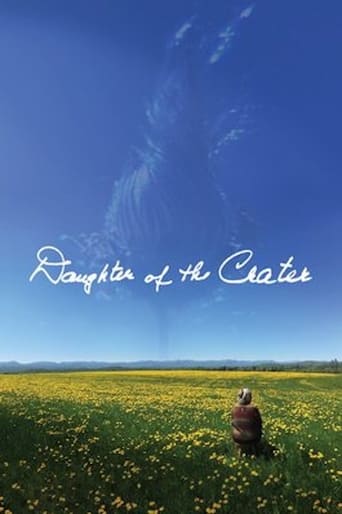
A woman with a deep love of the land, Yolande Simard Perrault sees her life as having been shaped by a planetary upheaval in Charlevoix, Quebec, millions of years ago. As enduring as the Canadian Shield, she’s a woman of strength and spirit, a child of the crater left by the meteor’s impact. This documentary portrays a determined woman who’s the reflection of a land created on an immense scale. She was the creative and life partner of filmmaker Pierre Perrault, who gave up everything to be by her side. The film charts the influence of her unquenchable dreams and her contribution to the building of a people’s collective memory. In a stream of images and words, Simard Perrault recounts the splendours of the landscape and the people who shaped it. Generous and boundless, she embarks on a quest for identity that nurtures and perpetuates the oeuvre of the man who breathed new life into Quebec cinema.
He is the most sought-after man in Europe in the 1960s. Lex Barker embodies the flawless hero in his films and, as Old Shatterhand, becomes a role model for generations of fans. Revered in Europe, misunderstood and almost forgotten in his native America. But who was this American who rode through Yugoslavia in a leather costume for the European audience? In 1973, Lex Barker died of a heart attack on the streets of Manhattan in New York. But no one recognizes the man who was Tarzan in Hollywood. Nobody knows him or cares about that he, as Winnetou's friend, is revered as an icon in Europe. Lex Barker's European western adventures are just a footnote in American film history. On the occasion of the 50th anniversary of his death, the documentary tells the story of one of the most beautiful men who ever flickered across Europe's cinema screens, for whom European cinema proved to be a stroke of luck and for whom a failed Hollywood career took him via Italy to Germany.
A documentary about Fassbinder and the early years of the legendary Antiteater, the group he was a member/leader of. You can here see and hear some of the actors he was going to use in his movies for the next years. The movie shows rehearsals for his play "The Coffeehouse," which also became a television movie, and you can watch unique footage from the 19th Film Festival in Berlin (1969) where "Love is Colder Than Death" was shown. As told in this documentary, his first feature movie was given a cold shoulder by many of the journalists and visitors at the festival. You can in "End of the Commune" watch Fassbinder and actor Ulli Lommel walk out on stage after the opening of "Love is Colder Than Death,” while a man in the audience is shouting "Out with the director!” In this documentary, Fassbinder also talks a lot about his father, who was a respectable doctor.
Hawaii, May 1977. After the success of Star Wars, George Lucas and Steven Spielberg meet to find a new project to work on together, the former as producer, the latter as director. The story of how the charismatic archaeologist Indiana Jones was born and how his first adventure, released in 1981, triumphed at box offices around the world.