


Egypt's Lost Queens
Documentary · History
Overview
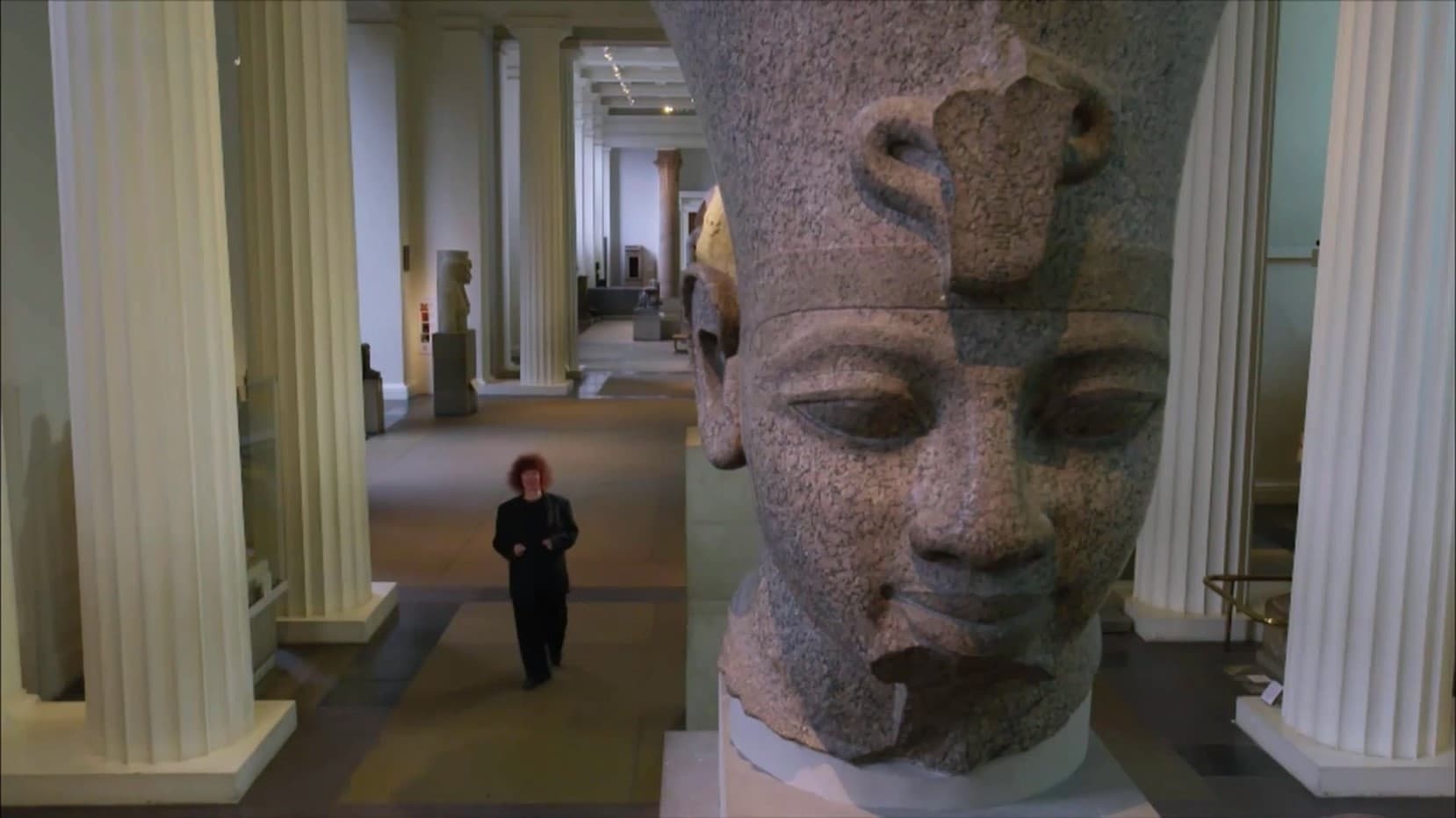
Professor Joann Fletcher explores what it was like to be a woman of power in ancient Egypt. Through a wealth of spectacular buildings, personal artefacts and amazing tombs, Joann brings to life four of ancient Egypt's most powerful female rulers and discovers the remarkable influence wielded by women, whose power and freedom was unique in the ancient world. Throughout Egypt's history, women held the title of pharaoh no fewer than 15 times, and many other women played key roles in running the state and shaping every aspect of life. Joann Fletcher puts these influential women back at the heart of our understanding, revealing the other half of ancient Egypt.
Top Cast




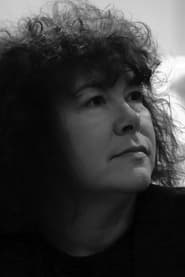
Joann Fletcher
Joann Fletcher
Presenter
Joann Fletcher
Presenter
Similar Movies
This short documentary depicts the search, discovery and authentication of the only known Norse settlement in North America - Vinland the Good. Mentioned in Icelandic manuscripts and speculated about for over two centuries, Vinland is known as "the place where the wild grapes grow" and was thought to be on the eastern coast between Virginia and Newfoundland. In 1960 a curious group of house mounds was uncovered at l'Anse aux Meadows in northern Newfoundland by Drs. Helge Ingstad and Anne Stine Ingstad of Norway. Added to the United Nations World Heritage List, l'Anse aux Meadows is considered one of the most important archaeological sites in the world.
It is one of Egypt's enduring mysteries. What happened to Nefertiti and her husband, Akhenaten - the radical king, and likely father of King Tut? In a dark and mysterious tomb located in the Valley of the Kings, there is a small chamber with two mummies without sarcophagi or wrappings. At times, both have been identified as Queen Nefertiti by scholars, filmmakers and historians. But the evidence has been circumstantial at best.
Of the Seven Wonders of the Ancient World, the Pyramid is the only one to survive. Many believe that even with our 21st-century technology, we could not build anything like it today. Based on the most up-to-date research and the latest archaeological discoveries, here is how the Pyramid came to be.
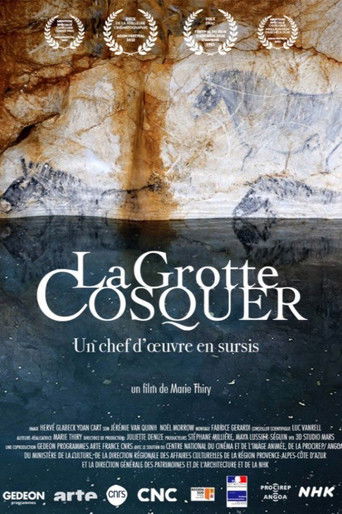
A short distance from Marseille, at Cape Morgiou, in the depths of the Calanques massif, lies the Cosquer cave, discovered only about thirty years ago by a diver, Henri Cosquer. With its bestiary of hundreds of paintings and engravings - horses, bison, jellyfish, penguins - the only underwater decorated cave in the world allows us to learn a little more about Mediterranean societies 30,000 years ago. Today, threatened by rising water levels accelerated by global warming, this jewel of the Upper Paleolithic is in danger of being swallowed up. To save the cave from disappearing, the Ministry of Culture has chosen to digitize it. From this virtual duplicate, a replica has been made on the surface to offer the public a reconstruction that allows them to admire these masterpieces.

In the heart of Paris, an entire palace has disappeared. It was the very first residence of the kings of France. Long before Versailles, long before the Louvre, the Palais de la Cité stood on the most prestigious island in Paris, the historic cradle of France, facing Notre-Dame. So majestic in the Middle Ages, this palace has become a ghost of history. Over the centuries, this architectural masterpiece has almost completely disappeared. A trio of experts will resurrect it in 3D. Using science and unprecedented excavations, they will track down the pieces of the puzzle to reconstruct it at its peak in the 14th century, and bring back to life those who inhabited it. From the Romans to the Vikings, from Saint Louis to the cursed kings, all have left clues of this 'Versailles of the Middle Ages'.