

Aragane
Documentary
Overview
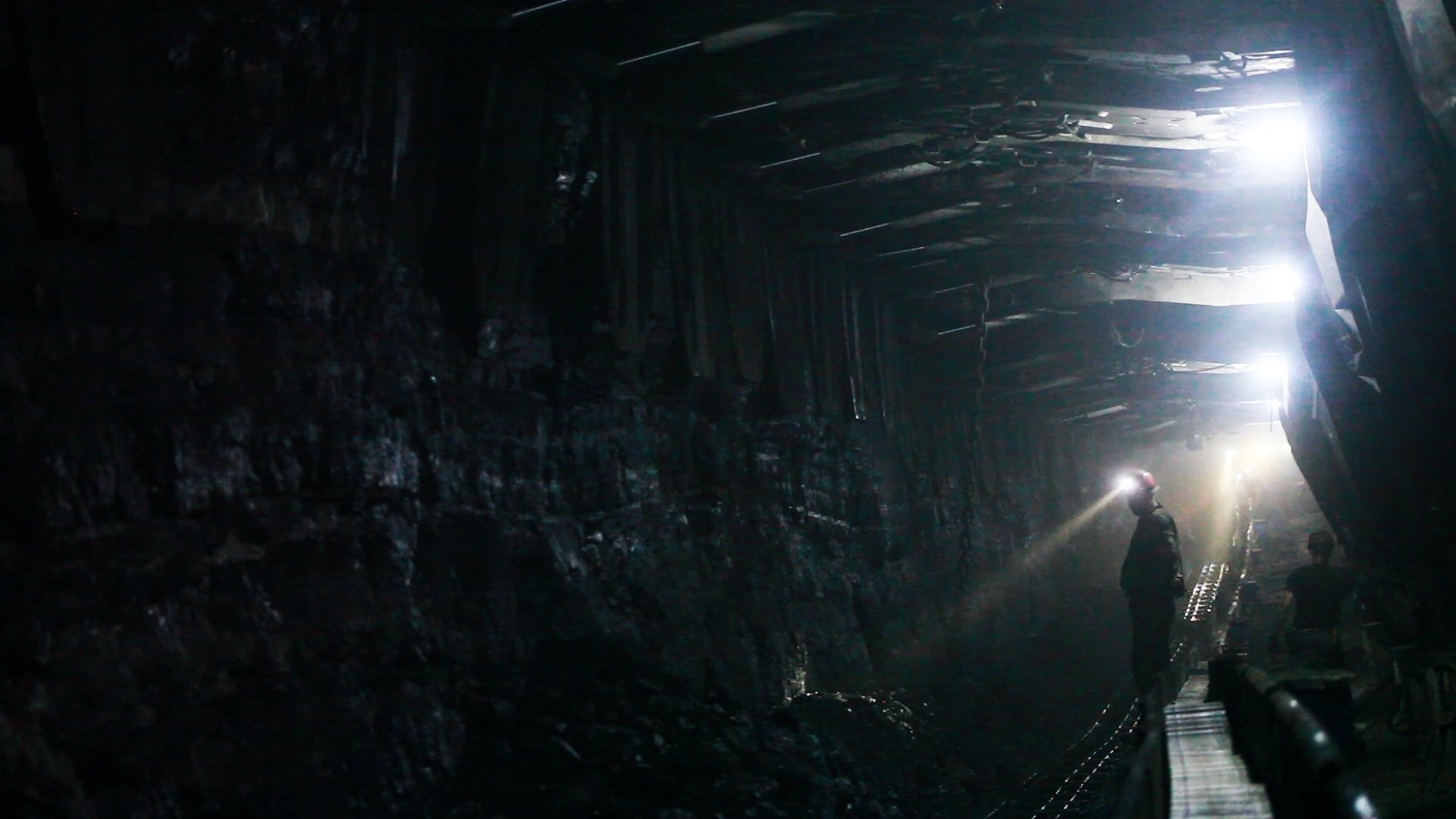
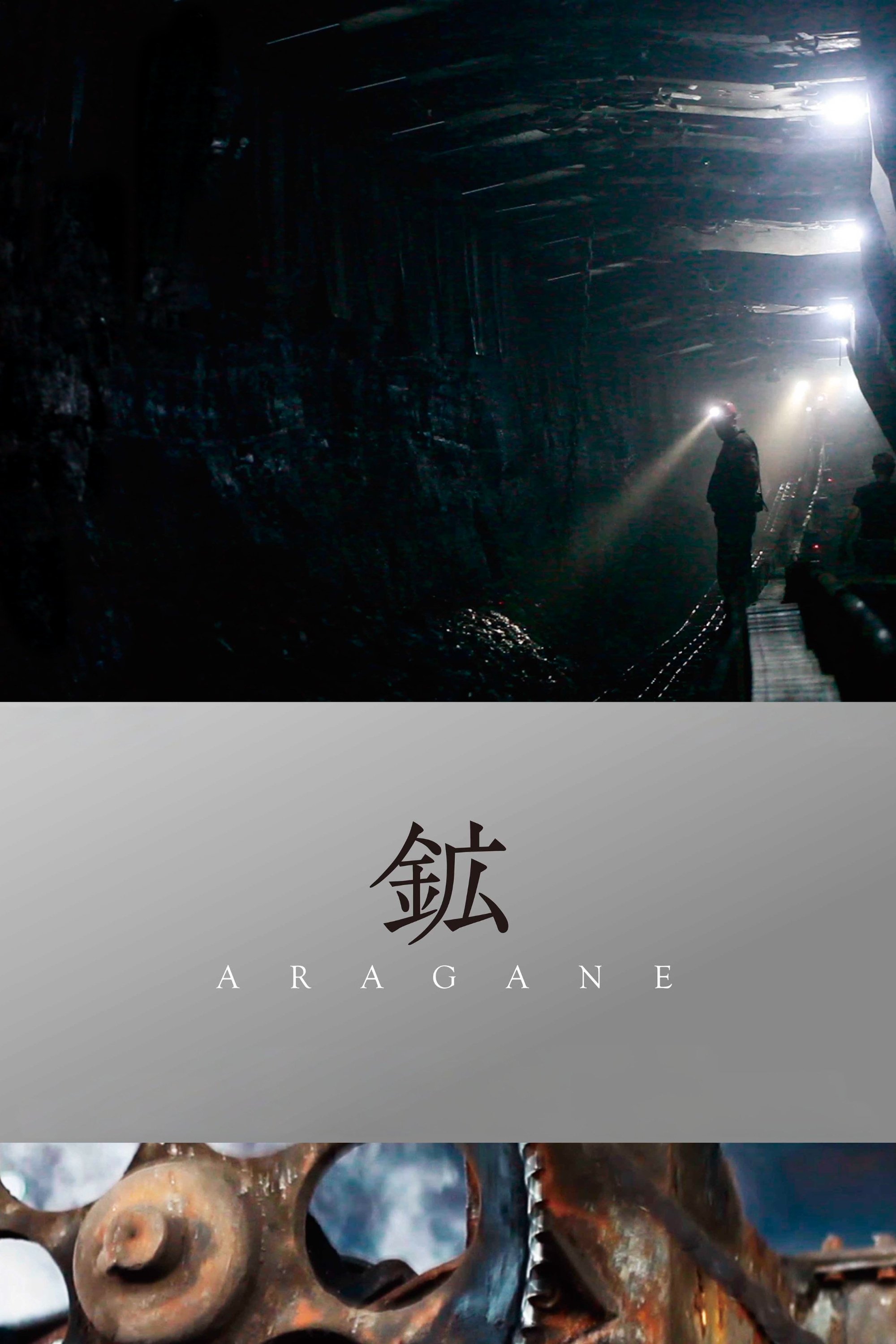
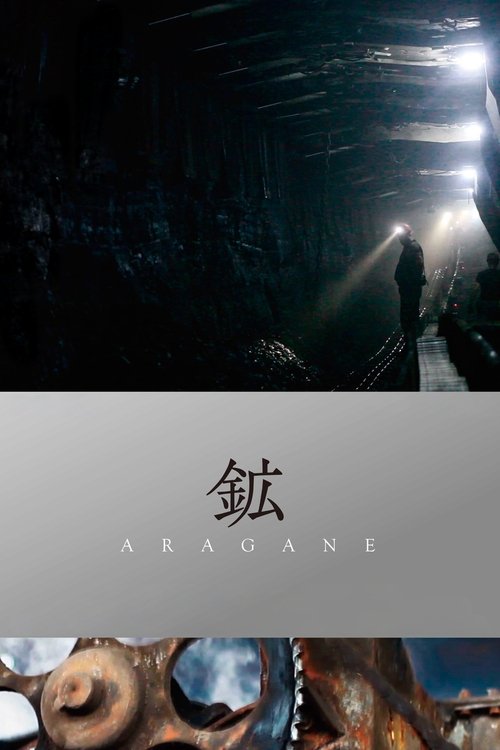
Miners in a Bosnian coal mine. The camera silently watches over the miners working tirelessly amidst endless noise and the flickering light of lanterns.





No cast information.
Similar Movies
This two-part documentary reveals how al-Qaeda used Bosnia as a training-ground, money-laundering centre and forward operating base during the brutal civil war of 1992-95. The veterans went on to attack New York, Washington DC, London, Madrid, Mombasa and Bali. The story also reveals how the people of Srebrenica were betrayed by the Sarajevo government in advance of the massacres of July 1995.
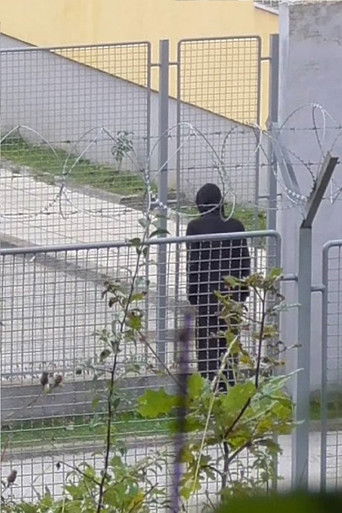
In september 2017 Samira comes from Iran to Sarajevo, BH for the first time to shoot a documentary. She tries to connect with the country and people. In order to find people who traveled from far places like her, she attempts to visit a refugee center, but all she finds are closed gates as she isn't allowed to see anyone.
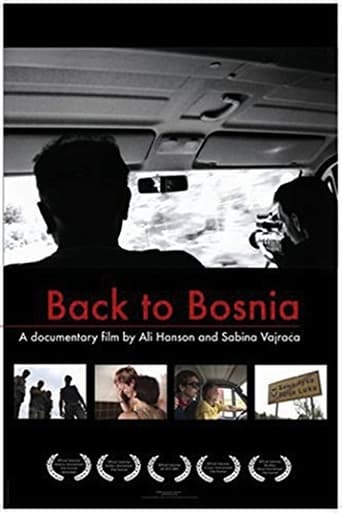
Filmmaker Sabina Vajraca documents her Bosnian Muslim family's return to their home of Banja Luka, Bosnia, to recover their stolen belongings many years after being forced to flee to the United States. In Bosnia, they witness the devastation of the city, visit war crimes sites, and confront the family that has been living in their former apartment -- with all their furnishings -- for a decade.
Nearly 20 years since the end of the 1992-95 Bosnian war, there are people who still live in refugee Centers, usually located on the outskirts of cities and villages. In such centers what should have been temporary has become indefinite. Collecting medicinal herbs or scraps from nearby coal mines and raising children who were born as refugees in their own country are just some aspects of the monotonous daily life of the people in Ježevci.
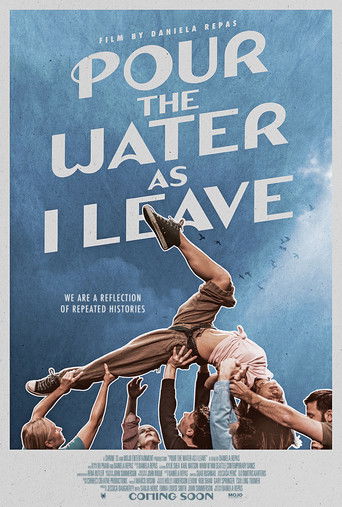
A surreal exploration of the war in Bosnia told through the unbreakable spirit of seven of her people whose strength to leave was as powerful as the fight to stay. Through the lens of diaspora, the film captures not just the weight of displacement, but the defiant act of survival and the unwavering pursuit of home, no matter where the journey leads.
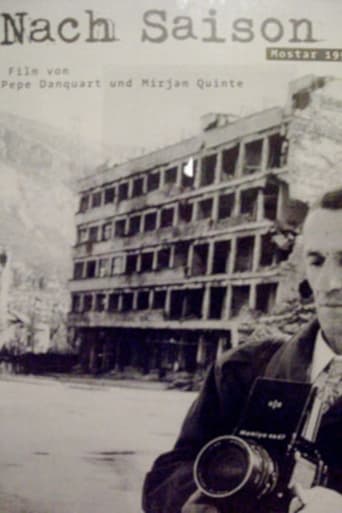
Summer 1994, Mostar, Bosnia and Herzegovina. Two civil wars in only three years has torn the city apart and destroyed it. The town is split into a Croatian majority in the west and a Muslim majority locked in the east. An invisible wall divides the two areas. The EU appoints German social democrat Hans Koschnick as municipal administrator of the town in the hope of rekindling a sense of community there.

Sexual violence against women is a very effective weapon in modern warfare: instills fear and spreads the seed of the victorious side, an outrageous method that is useful to exterminate the defeated side by other means. This use of women, both their bodies and their minds, as a battleground, was crucial for international criminal tribunals to begin to judge rape as a crime against humanity.
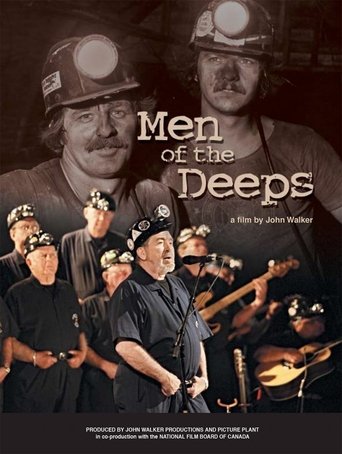
Acclaimed documentarian John Walker catches the legendary Cape Breton Miner’s singing group The Men of the Deeps just as the last mines on the island are shut down. Featuring ravishing cinematography of Cape Breton, and plenty of music, Men of the Deeps is a deeply touching portrait of a culture that still survives despite the ultimate end of an industry, and a tribute to the men and the songs that kept things moving on the Island for almost two hundred years.
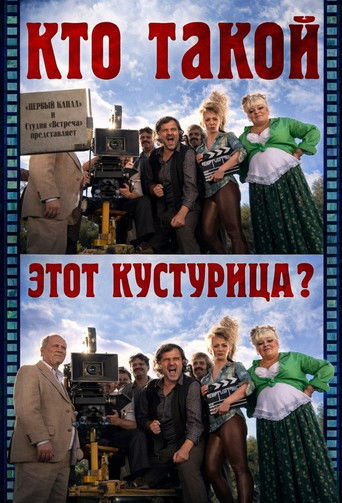
Emir Kusturica views himself as a rock musician and believes that he became a world-famous filmmaker by pure chance, as he shoots his movies only in between concert tours with the “No Smoking Orchestra” band. At these little pinpoints of time he gets “Palms d’Or” at Cannes, “Golden Lions” in Venice, builds his own villages, a power plant and a piste and regrets not becoming a professional football player. Kusturica’s own living is very much similar to his movies, where shoes are polished with cats, death is treated like a story from tabloid press, and life is a miracle...