


Drama · Comedy
Overview
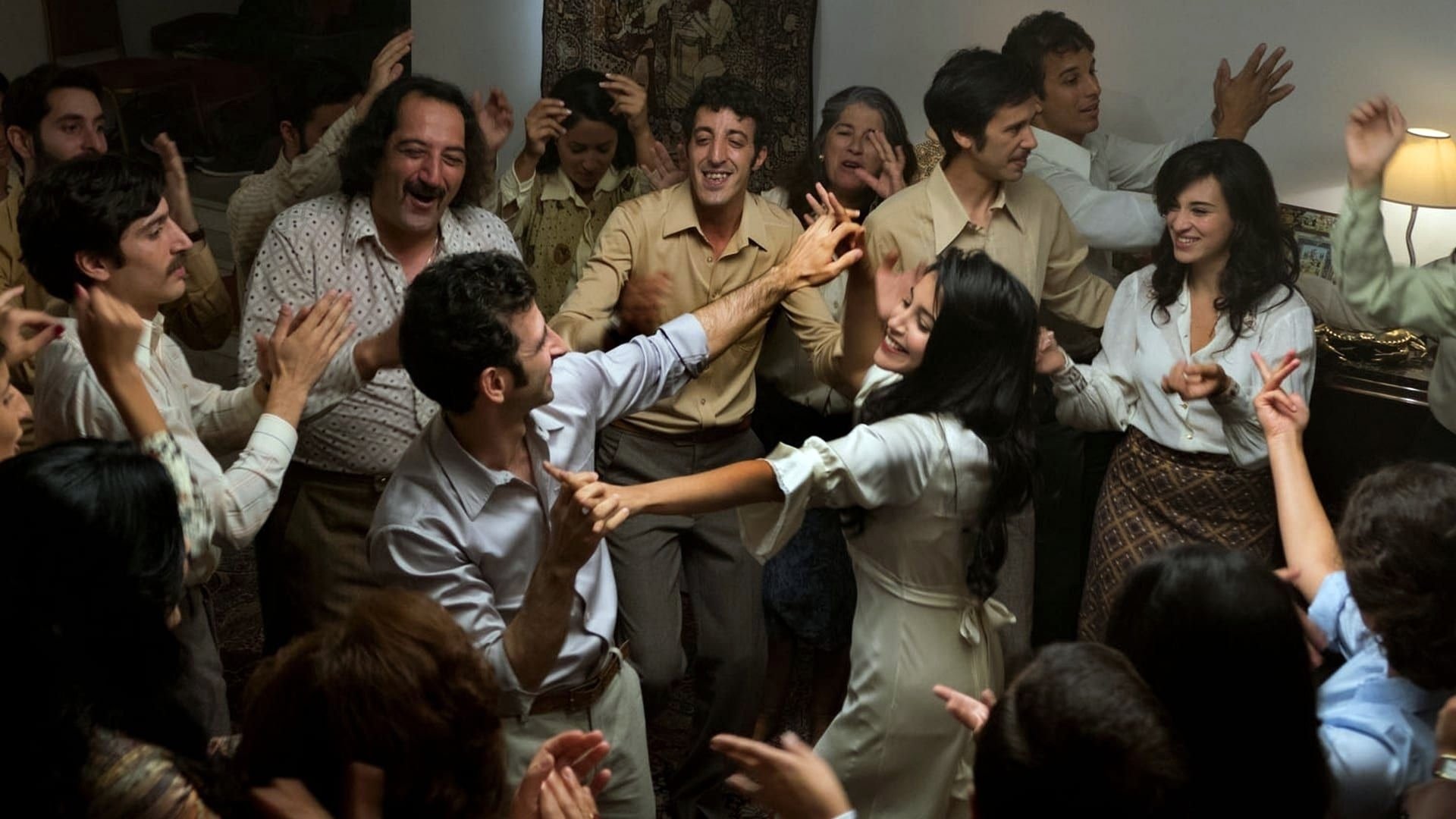
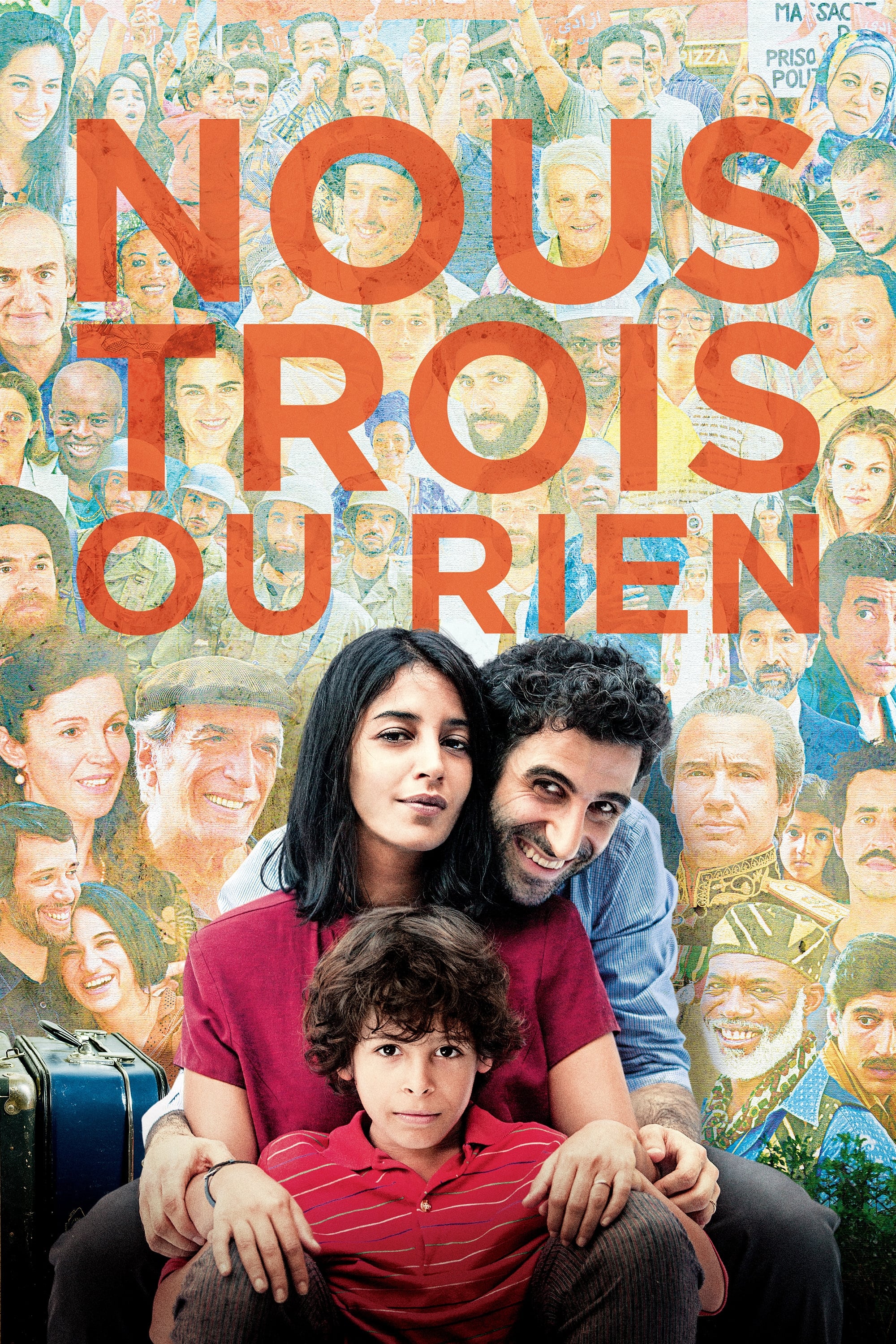
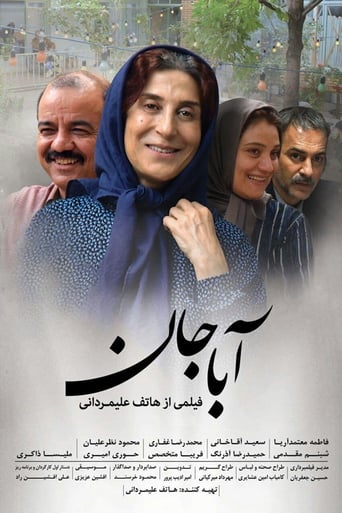
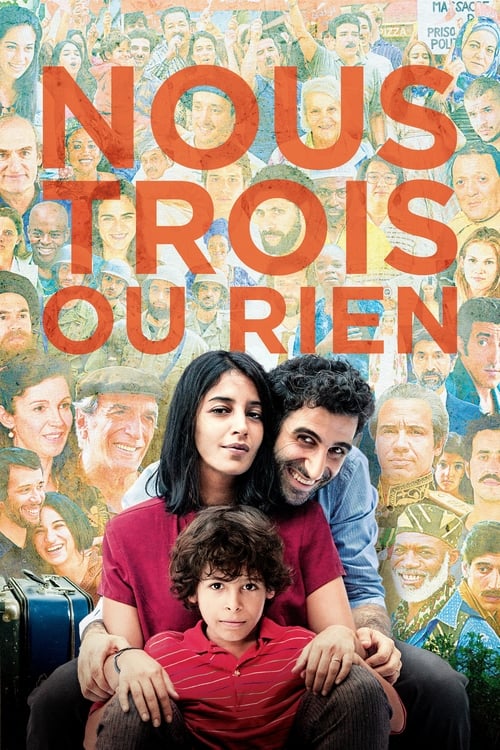
An Iranian family survives the shah and the ayatollah and moves to France. This story follows the family through it all. Despite the politics, revolution, prison, beatings, assassinations and suicides this is a comedy.
Top Cast
Kheiron
Hibat Tabib

Leïla Bekhti
Fereshteh Tabib
Gérard Darmon
Father of Fereshteh

Zabou Breitman
Mother of Fereshteh
Alexandre Astier
Shah of Iran, Mohammad Reza Pahlavi

Kyan Khojandi
Barbe

Arsène Mosca
Chief prison warden

Jonathan Cohen
Chokri

Camélia Jordana
Maryam
Ériq Ebouaney
Adama
Michel Vuillermoz
Daniel Bioton, mayor of Pierrefitte

Margot Bancilhon
Martine



Kheiron
Kheiron
Hibat Tabib
Kheiron
Hibat Tabib
Leïla Bekhti
Leïla Bekhti
Fereshteh Tabib
Leïla Bekhti
Fereshteh Tabib
Gérard Darmon
Gérard Darmon
Father of Fereshteh
Gérard Darmon
Father of Fereshteh
Zabou Breitman
Zabou Breitman
Mother of Fereshteh
Zabou Breitman
Mother of Fereshteh
Alexandre Astier
Alexandre Astier
Shah of Iran, Mohammad Reza Pahlavi
Alexandre Astier
Shah of Iran, Mohammad Reza Pahlavi
Kyan Khojandi
Kyan Khojandi
Barbe
Kyan Khojandi
Barbe
Arsène Mosca
Arsène Mosca
Chief prison warden
Arsène Mosca
Chief prison warden
Jonathan Cohen
Jonathan Cohen
Chokri
Jonathan Cohen
Chokri
Camélia Jordana
Camélia Jordana
Maryam
Camélia Jordana
Maryam
Ériq Ebouaney
Ériq Ebouaney
Adama
Ériq Ebouaney
Adama
Similar Movies
THE BRIGHT DAY weaves a story that has its roots in the complexity of Iran’s draconian laws governing capital punishment. A kindergarten teacher hopes to aid the father of one of her young students, a man accused of manslaughter, by convincing each of seven reluctant witnesses to come forward. No one lacks a hidden agenda in this drama in which shades of truth collide with self-interest and the specter of payback. (Gene Siskel Film Center)

A young woman's wedding becomes a ritual of mourning when her sister and family die in an auto accident on the way to the wedding. The sisters' mother refuses to accept her daughter's death, and in the midst of wedding guests and mourners, including the drivers of the truck that caused the accident, she orders the wedding to take place. But how can the daughter marry in the midst of a wake and without the family's traditional mirror, which the sister was bringing to the service?
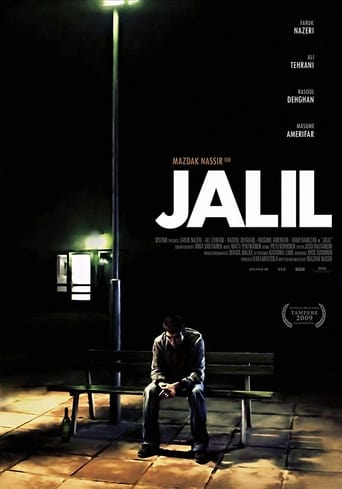
Jalil is 17-year-old boy living with his Iranian family in a suburb near Helsinki. Though he has lived in Finland all his life, it seems hard for him to find acceptance among the "native" Finns. At home he faces the opposite problem. His parents demand him to respect Iranian cultural traditions. Jalil is about one day in the life of a boy standing on the edge of two cultures. On this summer day big things are bound to culminate; religion, identity, love.

Three friends are hanging out on the roof in Sarajevo. Their hangout is interrupted by the Yugoslavian time traveler who explains them that they are in danger and need to use the time machine to go back to Yugoslavia and warn people that the future generations messed up. They travel back in time to find themselves not in Yugoslavia, but in Iran. Clash of the cultures is evident, and they are forced to hide their identity. But the more they discover the city, the more they realize it is scarily similar to their own.
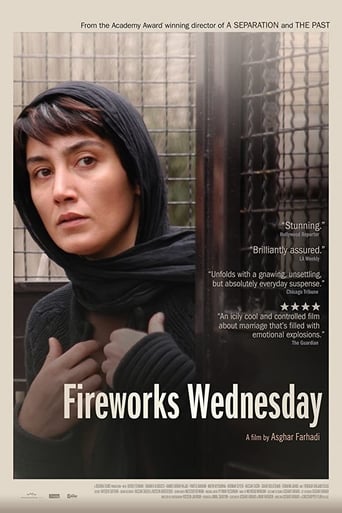
Rouhi, a young bride-to-be, is hired as a maid for an affluent family in Tehran. Upon arriving, she is suddenly thrust into an explosive domestic conflict. The wife is convinced her husband is having an affair and enlists Rouhi as a spy, to follow her husband, and confirm her suspicions. What Rouhi discovers, however, threatens not only their marriage but her own future.