

Britten: The Rape of Lucretia
Music
Overview
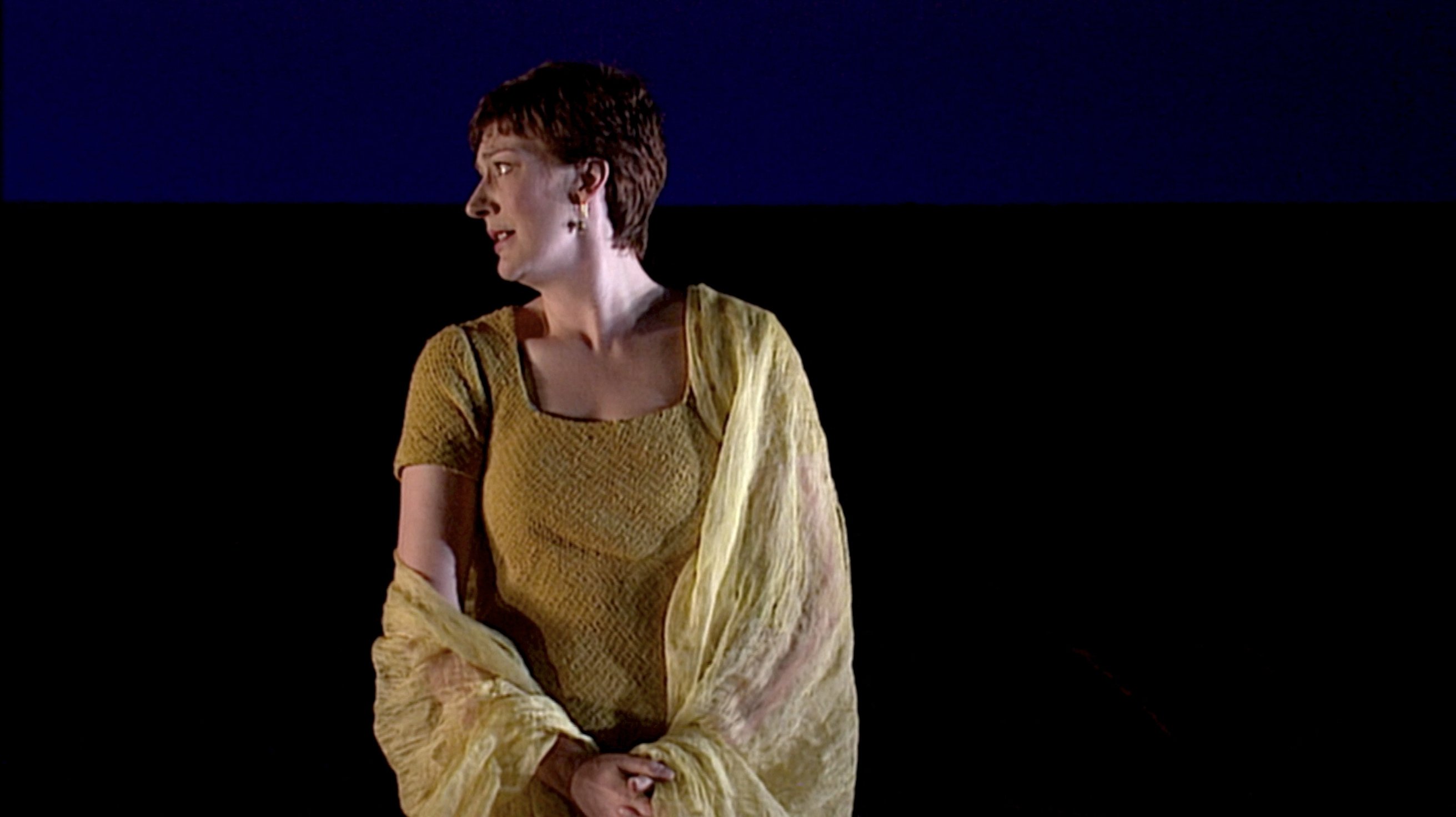
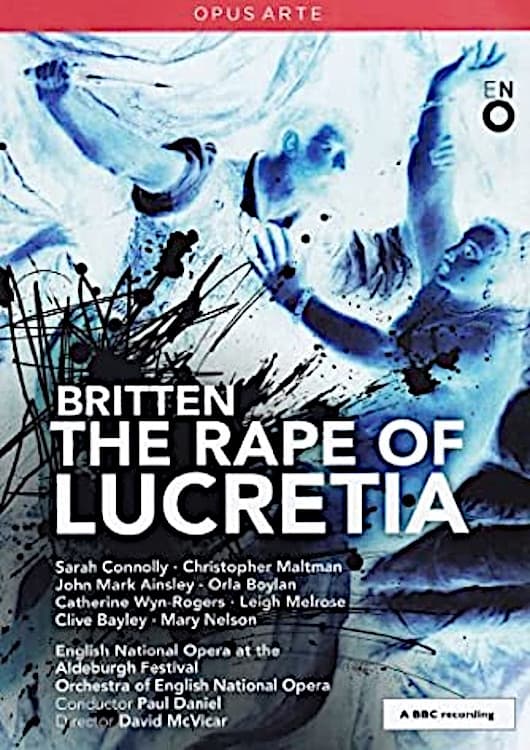
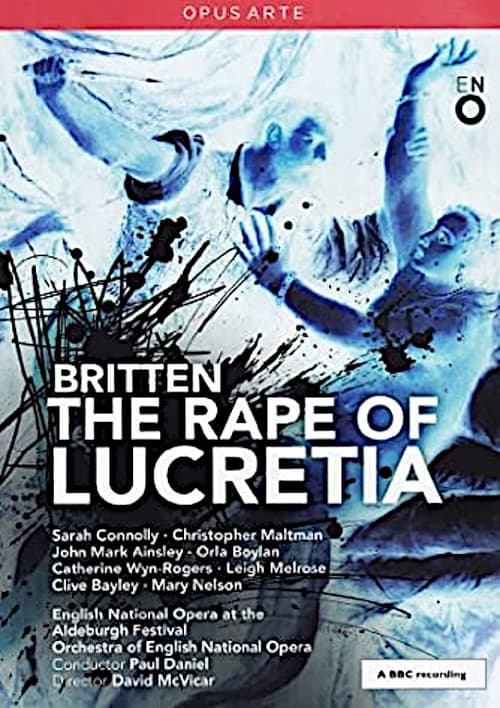
Sarah Connolly's 'outstanding' (The Guardian) portrayal of the wronged Roman noblewoman, written originally for Kathleen Ferrier, lies at the hear of David McVicar's powerfully stark production for English National Opera as 'an everyday sort of woman who could be living at any time or place'. Her nemesis is the arrogant Tarquinius of Christopher Maltman, 'who made the air tingle with danger' (Financial Times). Sung in English.


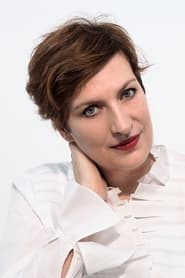
Sarah Connolly
Sarah Connolly
Lucretia
Sarah Connolly
Lucretia
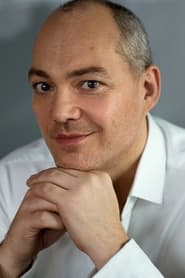
Christopher Maltman
Christopher Maltman
Prince Tarquinius
Christopher Maltman
Prince Tarquinius
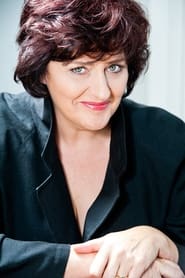
Catherine Wyn-Rogers
Catherine Wyn-Rogers
Bianca
Catherine Wyn-Rogers
Bianca
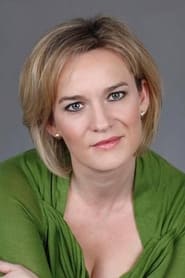
Mary Nelson
Mary Nelson
Lucia
Mary Nelson
Lucia
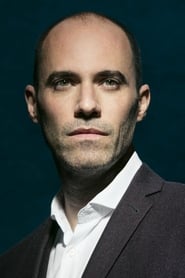
Leigh Melrose
Leigh Melrose
Junius
Leigh Melrose
Junius
Clive Bayley
Clive Bayley
Collatinus
Clive Bayley
Collatinus
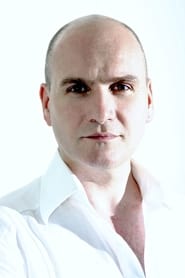
John Mark Ainsley
John Mark Ainsley
Male Chorus
John Mark Ainsley
Male Chorus

Orla Boylan
Orla Boylan
Female Chorus
Orla Boylan
Female Chorus
Similar Movies
With his affinity for the 16th-century sculptor Benvenuto Cellini's advocacy of artistic and personal freedom, Hector Berlioz went straight for the grand gesture with his first completed opera. Returning to it years after initial production debacles, Berlioz stated that he would 'never again find such verve and Cellinian impetuosity, nor such a variety of ideas.' The plot revolves around Cellini's wooing of Teresa, a match frustrated at every opportunity by his rival, the cowardly Fieramosca. Benvenuto Cellini is a pithy work combining romance, excitement, violence, comedy and spectacle; the perfect stage for Terry Gilliam's stylishly colorful and larger than life directing.
This tragic story revolves around the licentious Duke of Mantua, his hunch-backed court jester Rigoletto, and Rigoletto's beautiful daughter Gilda. The opera's original title, La maledizione (The Curse), refers to the curse placed on both the Duke and Rigoletto by a courtier whose daughter had been seduced by the Duke with Rigoletto's encouragement. The curse comes to fruition when Gilda likewise falls in love with the Duke and eventually sacrifices her life to save him from the assassins hired by her father.
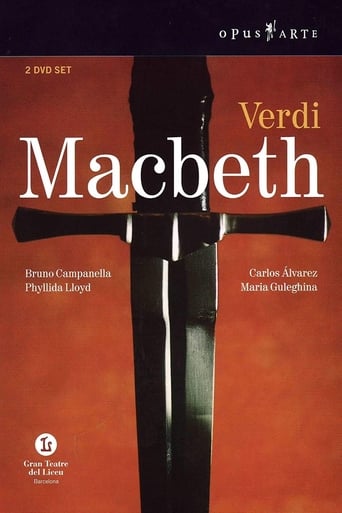
Carlos Álvarez takes the title role in the first of Verdi's Shakespearean operas, with Maria Guleghina as the manipulative wife whose desire to gain the Scottish throne drives her husband to murder and leaves both with blood on their hands. Bruno Campanella conducts the Symphony Orchestra and Chorus of the Gran Teatre del Liceu in the 2004 recording of Phyllida Lloyd's powerful production, first staged at London's Royal Opera House.
A Victor Hugo play, haunting and scandalous, provided the inspiration for Verdi’s mid-career masterpiece. A vengeful but misguided court jester strives to save his daughter from a duke’s licentious clutches, but can't part with the feeling that a curse looms over all of his actions. In Rigoletto, the composer introduces several of his most iconic arias and duets—as well as an 11th-hour quartet that counts among the finest moments in opera.
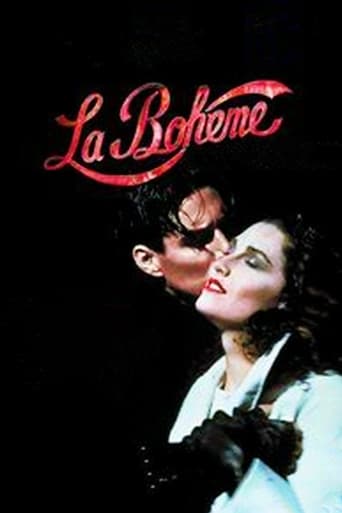
In the 50's, in Paris, the neighbors Rodolfo and Mimi meet each other when Mimi's candle blows out in a cold and dark night. They immediately fall in love for each other, in times of financial difficulties in the post-war. Rodolfo introduces Mimi to his close friends Marcello and his beloved Musetta; Colline; and Schaunard and together they have a good-time in Café Momus. Some time later, Mimi tells Marcello that she can not support the jealousy of Rodolfo any longer and when Marcello discuss with Rodolfo, Mimi overhears the real reason for the behavior of her beloved Rodolfo.
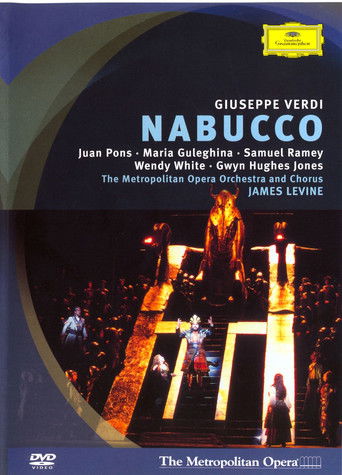
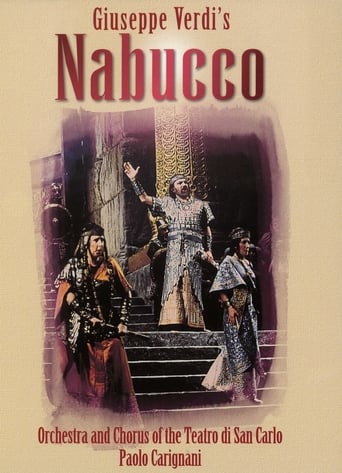
Nabucco - live from Metropolitan Opera, June 2002. On its surface, Nabucco is about the epic struggle of Zaccaria and the Jews suppressed by Babylon’s King Nebuchadnezzar and his vengeful daughter, Abigaille. But to Italians fighting for their freedom from Austria, Verdi’s first great opera was an inspiring call to arms.
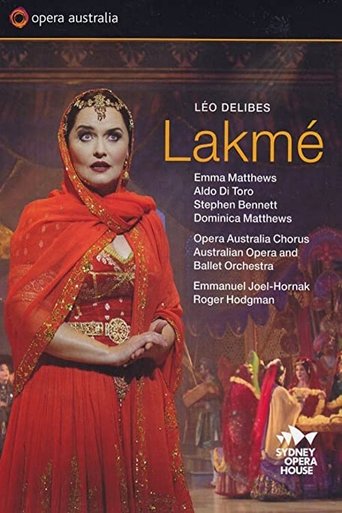
Starring the exquisite coloratura soprano Emma Matthews as the innocent girl priestess Lakmé, and superb tenor Aldo Di Toro as the love-struck Gerald, the story tackles religion and cross-cultural love against a backdrop of British rule in India in the mid-19th century. French conductor Emmanuel Joel-Hornak brings out the full depth of the lush, dramatic score, with familiar high points being the beautiful renditions of the well-known Flower duet and Bell Song. Dominica Matthews adds her rich voice as Mallika and Stephen Bennett is darkly dominating as Brahmin priest Nilakantha, Lakmés father, while Roxane Hislop is a consumate Mistress Bentson. Set and costume designs by Mark Thompson fill the stage with rich colour, atmosphere and exoticism, complemented by Nigel Levings warm lighting. This restudied production, originally conceived by Adam Cook, is skilfully directed by Roger Hodgman.
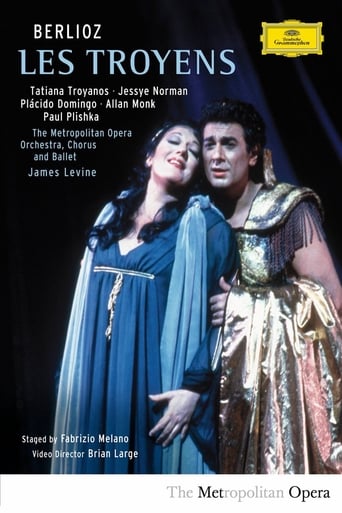
Berlioz’s colossal masterpiece requires stupendous forces—dozens of soloists, enormous chorus, orchestra and ballet, a superb conductor who understands the uniqueness of the score—plus a production that does visual justice to the work. “A stupendous achievement” was one critic’s assessment of Peter Wexler’s inventive production. And with James Levine’s wizardry galvanizing the marvelous all-star cast, this is truly a gem. Plácido Domingo is the legendary hero Aeneas, Jessye Norman the obsessed prophetess Cassandra, and Tatiana Troyanos is Queen Dido, who commits suicide when Aeneas leaves her.
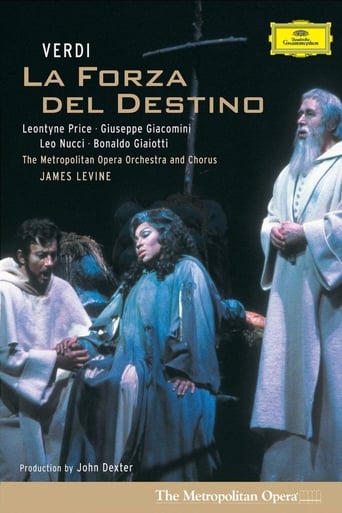
Leonora plans to elope with Don Alvaro, but he accidentally shoots and kills her father, who curses them as he dies. The lovers go on the run, but get separated. Bent on revenge, Leonora's brother Don Carlo, hunts them down. Verdi painted an immense canvas with this dark but tuneful opera, vividly brought to life in John Dexter’s production, with sets by the great Eugene Berman. The legendary Leontyne Price is seen in one of her greatest roles, Leonora. Price’s soaring voice encompasses every nuance of Leonora’s emotion as she moves from joy through resignation to ultimate heartbreak. James Levine’s brilliant leading of the Met orchestra and chorus is a lesson in Verdi style. Giuseppe Giacomini is Alvaro, the man Leonora loves, and Leo Nucci is Don Carlo, the dark instrument of their Fate.