

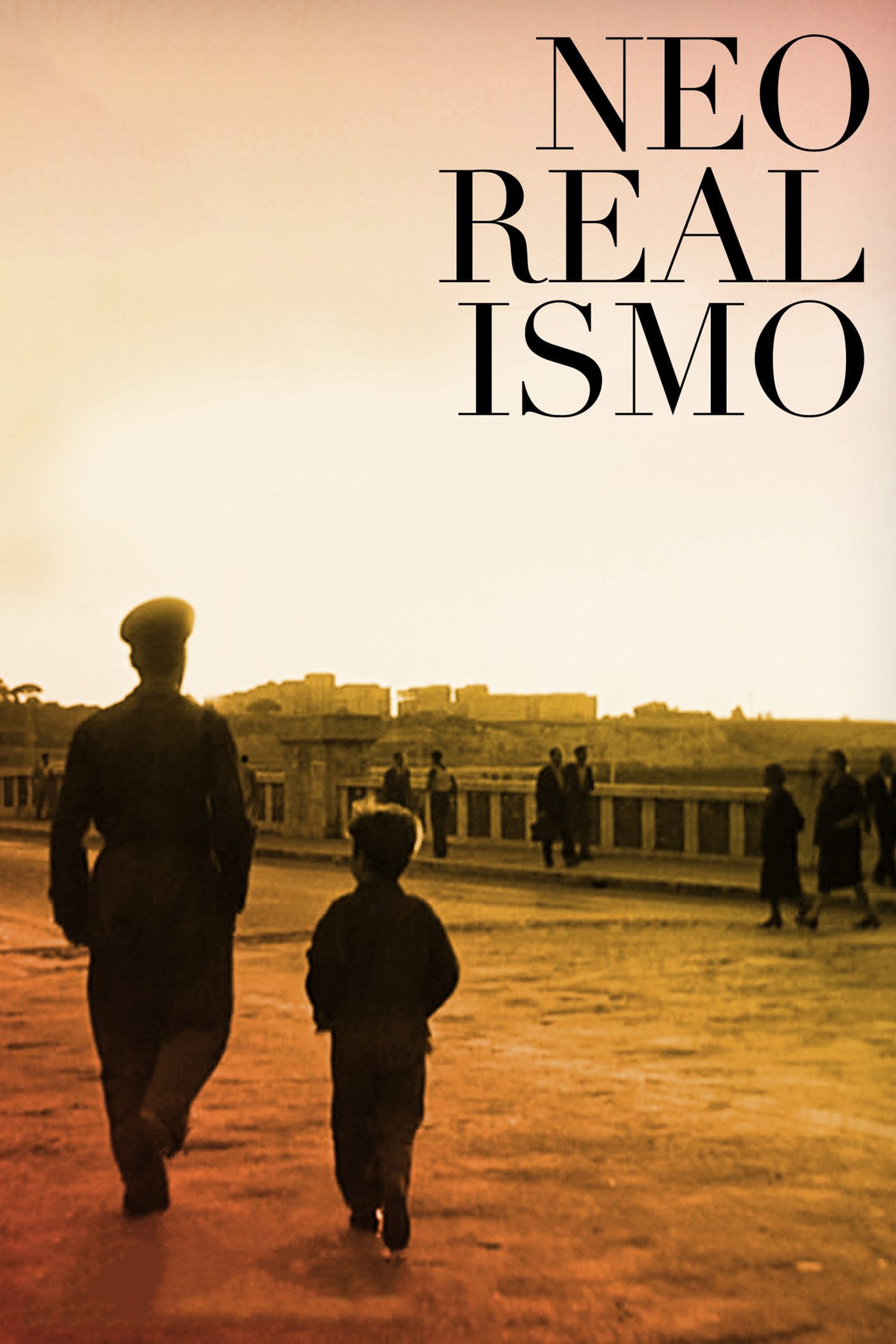
We Weren't Just Bicycle Thieves: Neorealism
Documentary
Overview
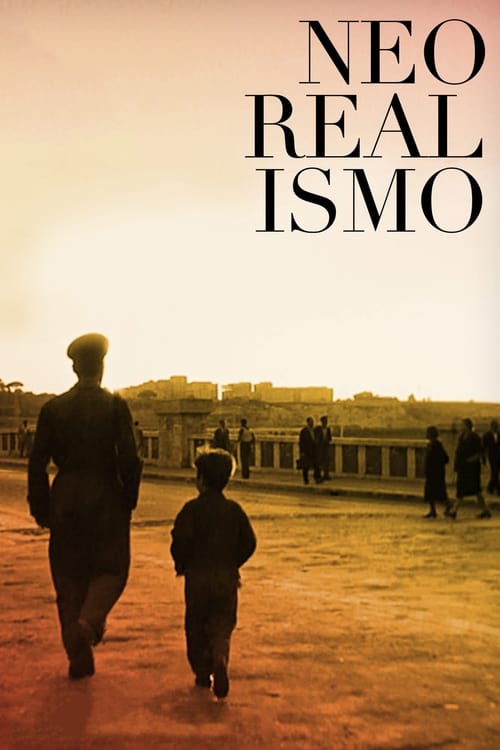
This short film tells the story of the most important cinema trend that Italy has ever produced - Neo Realism. Born after the Second World War, this veritable cultural revolution rapidly became a boundless source of inspiration for movie-makers throughout the entire world. Even today it influences those wanting to produce quality movies characterized and identified as Italian products able to be exported as well. It is precisely one of the masters of this unique current rich in different personalities who introduces the story - Carlo Lizzani - whose 'lesson' reconstructs the birth and development of Neorealism in Italy. It combined innovative movie techniques with a new view based on a 'true' interpretation of reality. Due to its high cultural value, this short film was given the highest reknown of the Presidency of the Republic of Italy.

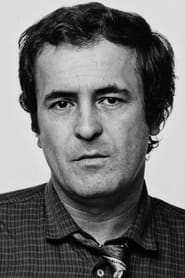
Bernardo Bertolucci
Bernardo Bertolucci
Self
Bernardo Bertolucci
Self
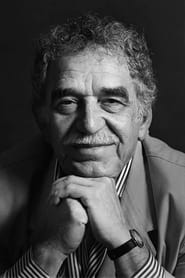
Gabriel García Márquez
Gabriel García Márquez
Self
Gabriel García Márquez
Self
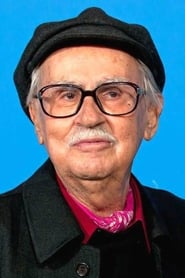
Vittorio Taviani
Vittorio Taviani
Self
Vittorio Taviani
Self

Paolo Taviani
Paolo Taviani
Self
Paolo Taviani
Self
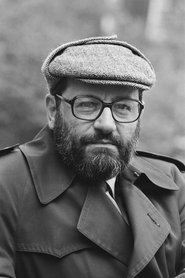
Umberto Eco
Umberto Eco
Self
Umberto Eco
Self

Carlo Lizzani
Carlo Lizzani
Narrator / Self
Carlo Lizzani
Narrator / Self
Similar Movies
On the evening of March 11, 1950, Annabella Bracci, a 12-year-old girl, was brutally killed and thrown into a pit on the outskirts of Rome, near the village of Primavalle. A brief and poetic account of the events and their impact on an impoverished community. A handful of wild flowers and a painful catch in the voices.
An anthropologist investigates the origins of human evolution. She had suffered a mental trauma during her childhood when her father, a submarine captain, died during the war. This trauma periodically destabilizes her condition. The ghosts of a prehistoric past and a violent death collide in the subconsciousness of the scientist to give birth to an unexpected theory of the origins of human beings.

Pablo returns to the neighborhood where he spent the early years of his life, searching for Juanito, but he does not find him. His sister Delia tells him that Juanito has lost his job and, in his desperation, has turned to crime. It is considered as the first Venezuelan and Latin American neorealist film.
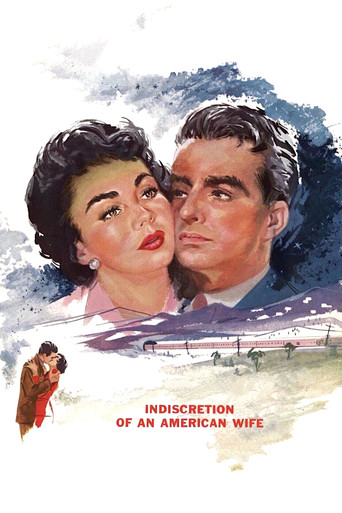
While on vacation in Rome, married American Mary Forbes becomes entangled in an affair with an Italian man, Giovanni Doria. As she prepares to leave Italy, Giovanni confesses his love for her; he doesn't want her to go. Together they wander the railroad station where Mary is to take the train to Paris, then ultimately reunite with her husband and daughter in Philadelphia. Will she throw away her old life for this passionate new romance?
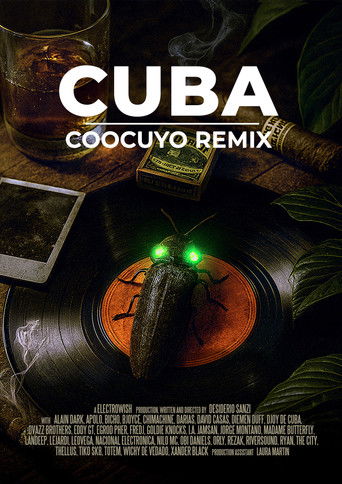
In a nocturnal Cuba, lit only by the tiny lights of the cocuyos, the island’s DJs and electronic music producers become a living metaphor: like those glowing insects, they come alive at night, illuminating the city with their energy and restlessness. Cuba – Coocuyo Remix is a neorealist comedy that observes their everyday life without filters, moving between clichés and moments of truth, and transforming daily existence into a collective portrait. The film follows both the pioneers and the new generation of Cuba’s electronic music scene, showing how their dedication continues to shape the island’s nightlife culture, in a story where music gives way to the full force of reality.

The film represents life in a godforsaken Russian village. The only way to reach the mainland is to cross the lake by boat and a postman became the only connection with the outside world. A reserved community has been set up here. Despite the modern technologies and a spaceport nearby the people of the village live the way they would in the Neolithic Era. There is neither government nor social services or jobs. The postman's beloved woman escapes the village life and moves to the city. Postman's outboard engine gets stolen and he can no longer deliver mail. His normal pattern of life is disrupted. The postman makes a decision to leave for the city too but returns before long with no certain reason. The script is based on real characters' stories. People from the village play their own parts in the film. The search for the protagonist lasted for over a year.