

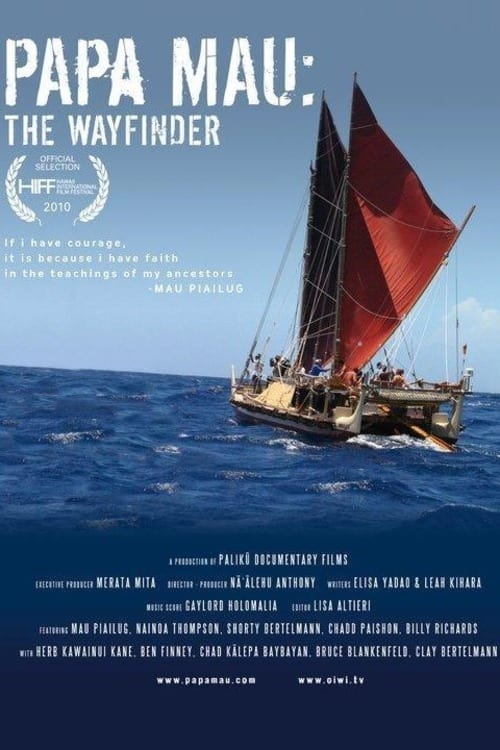
Papa Mau: The Wayfinder
Documentary
Overview
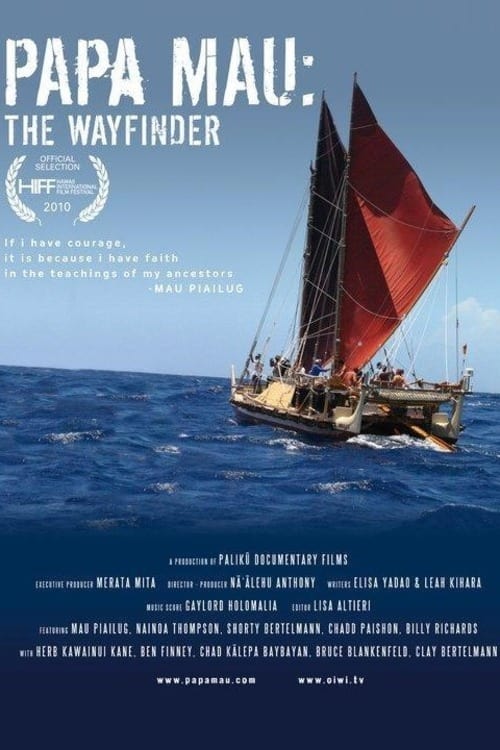
A documentary that takes a retrospective look at the influence of Mau Piailug, a native from the tiny Micronesian atoll of Satawal, in reviving the art of non-instrument navigation in Polynesia. Relying solely on his knowledge of celestial bodies, oceanic currents, and natural markers, Mau guided the traditional sailing canoe Hokulea on a 1976 voyaging to Tahiti, a journey not completed in more than 600 years. For Native Hawaiians, this expedition signaled an exodus from the cultural doldrums of the previous century. Sail along on this remarkable journey and share Mau's story of reinvigoration, reconciliation, and redemption of a people as the master wayfinder and teacher that breathed life back into the sails Polynesia's voyaging tradition.
Top Cast




Puakea Nogelmeier
Puakea Nogelmeier
Narrator (voice)
Puakea Nogelmeier
Narrator (voice)
Mau Piailug
Mau Piailug
Himself
Mau Piailug
Himself
Leah Kihara
Leah Kihara
Leah Kihara
Elisa Yadao
Elisa Yadao
Elisa Yadao
Similar Movies
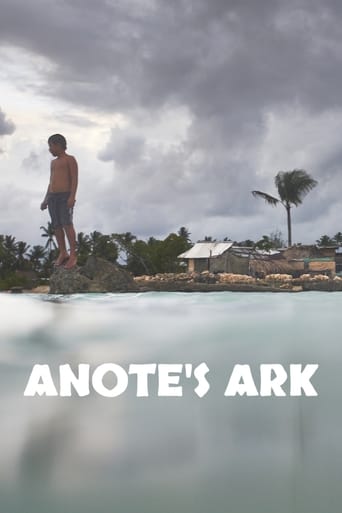
How does a nation survive being swallowed by the sea? Kiribati, on a low-lying Pacific atoll, will disappear within decades due to rising sea levels, population growth, and climate change. This exploration of how to migrate an entire nation with dignity interweaves personal stories of survival and resilience.
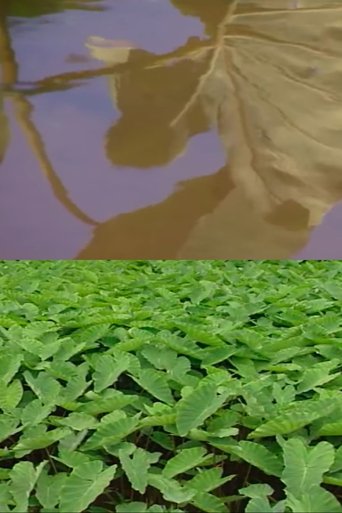
Kalo (taro) production on each of the major islands of Hawai'i circa 1994. Meet the amazing people who love and continue to cultivate taro on lo'i that in some cases has been in the family for generations and centuries! Young, old, and family growers on Maui, Moloka'i, Hawai'i, O'ahu, and Kaua'i islands. Includes history/culture of kalo, Issues related to land and water, uses of kalo, and prospects for the future.

For the men who fought perhaps the fiercest battle of WWII, seventy years have passed. But the memories of those 36 bloody days on Iwo Jima have not. In the spring of 2015, survivors of both sides of the battle returned for the last time to join a Reunion of Honor — a unique, now-peaceful fellowship first forged of fire and bullets.
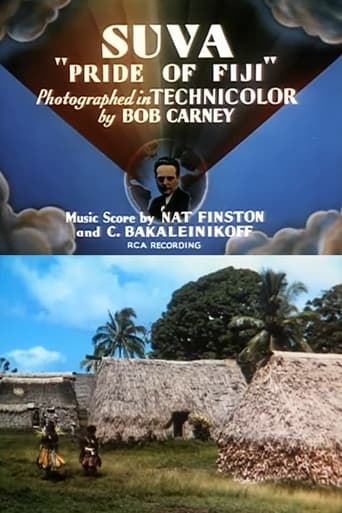
James A. FitzPatrick takes a tour of the Fiji Islands. The short depicts the different types of natives that inhabit the islands, and shows villages that have not been changed in architecture for centuries. There are ceremonial dances, and FitzPatrick politically-correctly describes the rule of the islands under the British government.

James Nesbitt moved to New Zealand in 2011 when he landed the role of Bofur in Peter Jackson's Hobbit trilogy, but he says the country remains largely unknown to him. Travelling more than 1,000 miles from the tip of the North Island down to the South, the actor finds out more about the place he has called home, visiting areas of natural beauty and learning about the nation's history and traditions. Along the way, he meets former All Blacks player the late great Jonah Lomu, takes a trip around film star Sam Neill's vineyards in Queenstown, catches up with Peter Jackson and goes Base-jumping from the tallest building in Auckland.

This hour-long documentary is a provocative look at a historical event of which few Americans are aware. In mid-January, 1893, armed troops from the U.S.S Boston landed at Honolulu in support of a treasonous coup d’état against the constitutional sovereign of the Hawaiian Kingdom, Queen Lili‘uokalani. The event was described by U.S. President Grover Cleveland as an "act of war."
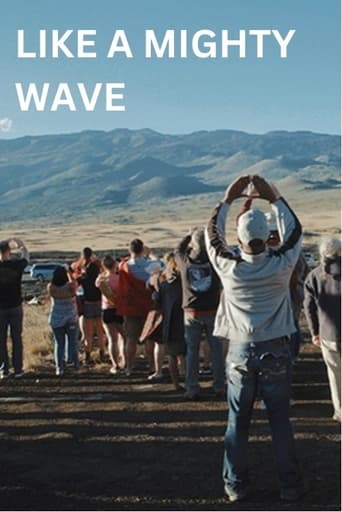
On Wednesday, July 17th 2019, a heavily armed police force arrested 36 Native Hawaiian kūpuna peacefully protecting Maunakea from desecration. The actions from that day sparked an international outcry and brought new life to the ongoing movement for Native Hawaiians’ rights for self-determination.

Although the mountain volcano Mauna Kea last erupted around 4,000 years ago, it is still hot today, the center of a burning controversy over whether its summit should be used for astronomical observatories or preserved as a cultural landscape sacred to the Hawaiian people. For five years the documentary production team Nā Maka o ka 'Āina ("the eyes of the land") captured on video the seasonal moods of Mauna Kea's unique 14,000-foot summit, the richly varied ecosystems that extend from sea level to alpine zone, the legends and stories that reveal the mountain's geologic and cultural history, and the political turbulence surrounding the efforts to protect the most significant temple in the islands: the mountain itself.