

Paradise Found: The Phoenix Islands
Documentary
Overview
In a remote corner of the Pacific, the nation of Kiribati has created the world's largest marine reserve, the Phoenix Islands Protected Area. The reserve covers 410,500 square kilometers and is home to thriving coral reefs and abundant sea life, including sharks and manta rays.



No cast information.
Similar Movies

Kua and Teriki will soon get married. They live on the distant Tureia island in the French Polynesia, Pacific Ocean and have just been told that something is wrong with their son Maokis heart. It is a consequence of living only 100 km away from the island of Moruroa, where France has tested 193 atom bombs for 30 years. Several of their family members are sick and Moruroa can soon collapse, which can lead to a tsunami likely to drown all of them. Vive La France is a personal and intimate story about harvesting the consequences of the French atomic program.
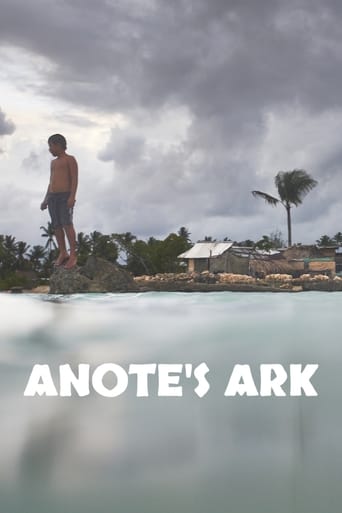
How does a nation survive being swallowed by the sea? Kiribati, on a low-lying Pacific atoll, will disappear within decades due to rising sea levels, population growth, and climate change. This exploration of how to migrate an entire nation with dignity interweaves personal stories of survival and resilience.

A documentary on the life of the people of the Aran Islands, who were believed to contain the essence of the ancient Irish life, represented by a pure uncorrupted peasant existence centred around the struggle between man and his hostile but magnificent surroundings. A blend of documentary and fictional narrative, the film captures the everyday trials of life on Ireland's unforgiving Aran Islands.

For the men who fought perhaps the fiercest battle of WWII, seventy years have passed. But the memories of those 36 bloody days on Iwo Jima have not. In the spring of 2015, survivors of both sides of the battle returned for the last time to join a Reunion of Honor — a unique, now-peaceful fellowship first forged of fire and bullets.
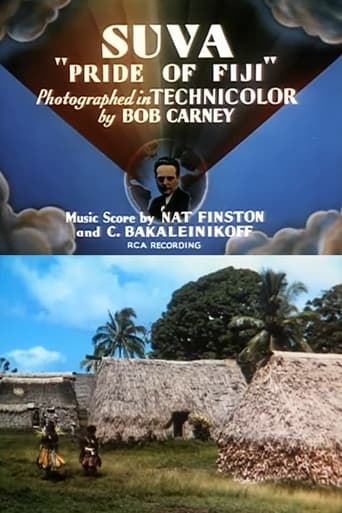
James A. FitzPatrick takes a tour of the Fiji Islands. The short depicts the different types of natives that inhabit the islands, and shows villages that have not been changed in architecture for centuries. There are ceremonial dances, and FitzPatrick politically-correctly describes the rule of the islands under the British government.
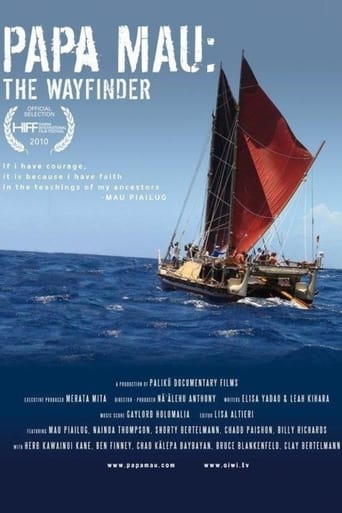
A documentary that takes a retrospective look at the influence of Mau Piailug, a native from the tiny Micronesian atoll of Satawal, in reviving the art of non-instrument navigation in Polynesia. Relying solely on his knowledge of celestial bodies, oceanic currents, and natural markers, Mau guided the traditional sailing canoe Hokulea on a 1976 voyaging to Tahiti, a journey not completed in more than 600 years. For Native Hawaiians, this expedition signaled an exodus from the cultural doldrums of the previous century. Sail along on this remarkable journey and share Mau's story of reinvigoration, reconciliation, and redemption of a people as the master wayfinder and teacher that breathed life back into the sails Polynesia's voyaging tradition.
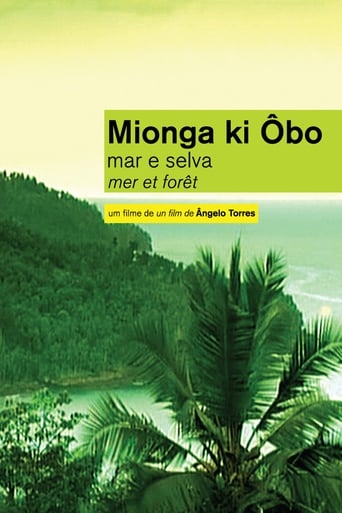
Angolares are the oldest inhabitants of the island of São Tomé. Control of the island was wrested from them in the late 19th century, and their descendents have been reduced to a small fishing community. This fascinating film explores the tangled history of the Angolares and their beautiful island.
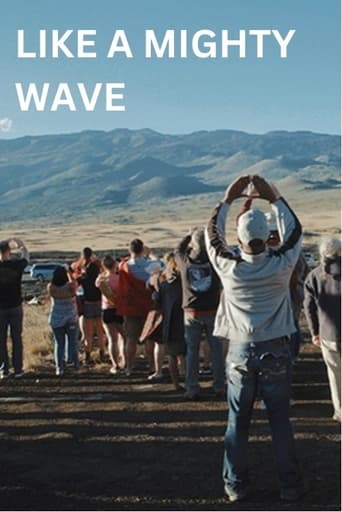
On Wednesday, July 17th 2019, a heavily armed police force arrested 36 Native Hawaiian kūpuna peacefully protecting Maunakea from desecration. The actions from that day sparked an international outcry and brought new life to the ongoing movement for Native Hawaiians’ rights for self-determination.