


The Unemployed
Documentary
Overview
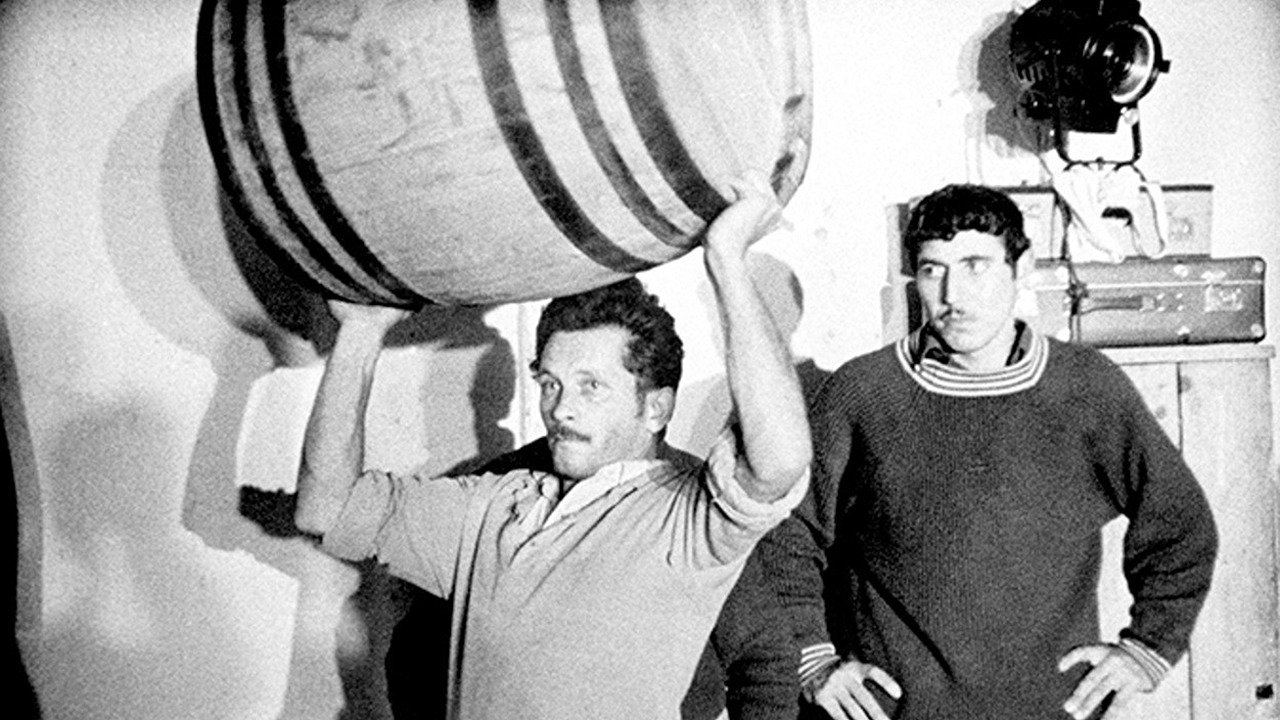
SFRJ is officially a place where everyone have a job and a house. The story follows hard labored workers who can't find a job, who bathe in public bathrooms and sleep in homeless centers.



No cast information.
Similar Movies
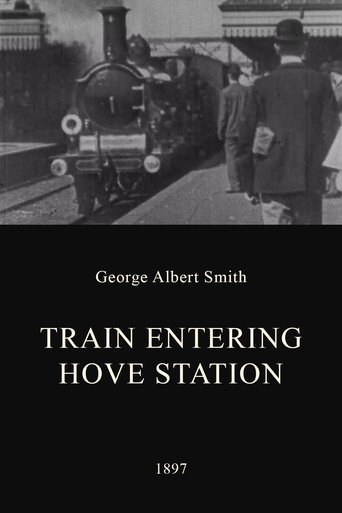
Most movie fans know that the first filmmakers liked to shoot trains entering stations. This example by Sussex film pioneer George Albert Smith illustrates why. The train's rush towards the audience brings movement and visual drama. The flurry of human activity offers plenty for the audience to engage with - who are these people and where are they going? And the time pressure exerted by the fact that the train must soon depart adds narrative tension - will everyone get on and off in time?
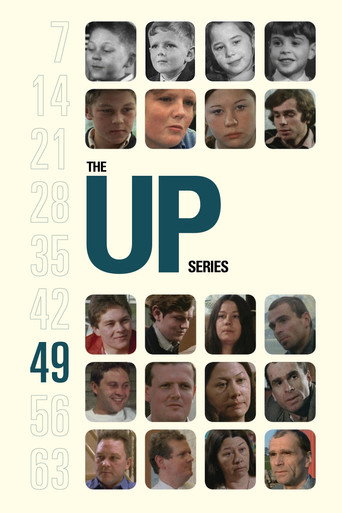
49 Up is the seventh film in a series of landmark documentaries that began 42 years ago when UK-based Granada's World in Action team, inspired by the Jesuit maxim "Give me the child until he is seven and I will give you the man," interviewed a diverse group of seven-year-old children from all over England, asking them about their lives and their dreams for the future. Michael Apted, a researcher for the original film, has returned to interview the "children" every seven years since, at ages 14, 21, 28, 35, 42 and now again at age 49.In this latest chapter, more life-changing decisions are revealed, more shocking announcements made and more of the original group take part than ever before, speaking out on a variety of subjects including love, marriage, career, class and prejudice.
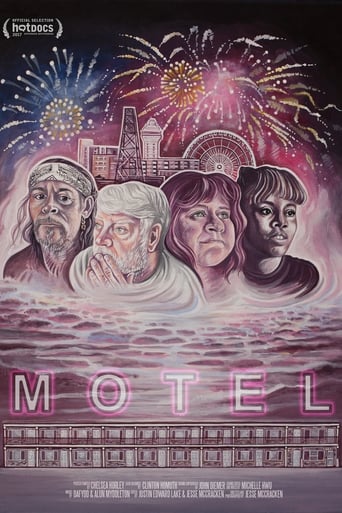
As Niagara Falls transformed from honeymoon capital of the world to Las Vegas North, corporate hotel chains and casinos cast a long shadow over the independent motels that once populated the town. The Continental survived the transition by converting its rooms into affordable housing units, becoming a home for those with few places to go. The night manager, Brian, once a freelance photographer who survived the horrors of war in Vietnam, shares his duties with his colleague Linda. Together they manage both the Continental and the individual struggles of its tenants, providing more than a roof over the heads of those who live under their supervision. Bringing a fresh focus to one of the most photographed places on Earth, director and cinematographer Jesse McCracken develops an intimate and caring portrait of the residents of this modest micro-community set against the backdrop of neon-lit tourist attractions.
Some 240,000 women over 55 are at risk of homelessness In Australia – a figure both surprising (owing to this demographic being less likely to speak up about their difficulties) and shocking, given this country’s wealth. Under Cover introduces us to 10 of these people, including a survivor of domestic violence, a former advertising executive, a self-confessed loner and a displaced immigrant, for whom security and shelter are constant unknowns and who, until now, have suffered in silence.
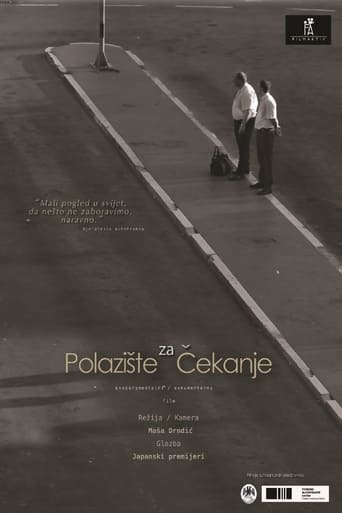
The protagonist of the movie is the small and crowded Croatian bus terminal in Rijeka the living-room of a town on the threshold of changes. As the plans for building a promised larger bus terminal are overshadowed by the busy preparations for Croatia's entering the EU, the old station "Zabica" continues serving as the crossroads for tourists and an integral part of the local community; where collective or individual memories and struggles are at disposal, cuddled and teased, subtle but salient. We follow the daily routines of the employees at the station's shops, the café, and the ticket office, the bus drivers and cabbies, the homeless and the drifters, the permanent visitors and the passersby, to discover a sporadic community in its vain, but persistent efforts at patching up the gaps of a worn-out system.

Following four Lakota families over three years, Homeland explores what it takes for the Lakota community to build a better future in the face of tribal and government corruption, scarce housing, unemployment, and alcoholism. Intimate interviews with a spiritual leader, a grandmother, an artist, and a community activist from South Dakota’s Pine Ridge Indian Reservation reveal how each survives through family ties, cultural tradition, humor, and a palpable yearning for self-reliance and personal freedom.
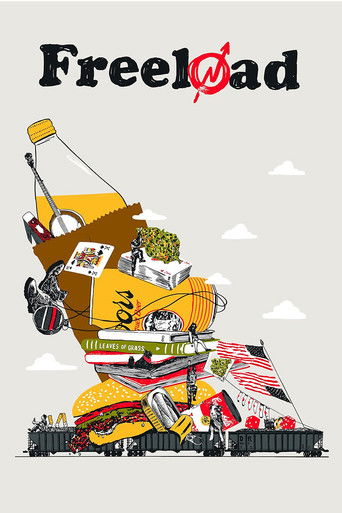
Just as the original hobos of the early 20th century were scorned the mainstream of society, so too are today's train riders. FREELOAD is a dive into a beggar's existence. It is a ride through America's backyard. It is a musical endeavor that feels like a drama. It is a sociological examination of the ignored.
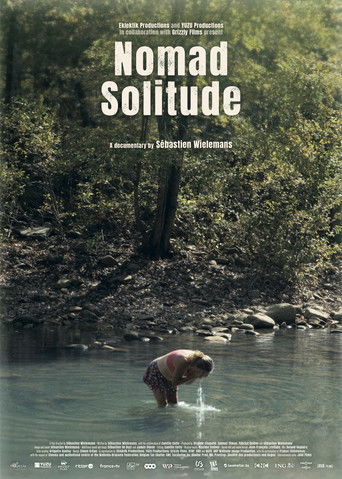
In their vehicle, Laurie, Kristy and Linda live alone on the American roads. Like thousands of modern American nomads who can no longer afford to pay for their housing. With no money to spare, these three sixty-year old women are fleeing, in their own way, a part of their history that has left a deep mark on them. Driving away, they try to regain some form of peace. But as the miles and seasons pass, despite their impressive temerity and resilience, their quest for a better future is challenged by unexpected events that hit a country in crisis. Will they nevertheless manage, at the end of the road, to find the serenity they are looking for, in order to become someone again?
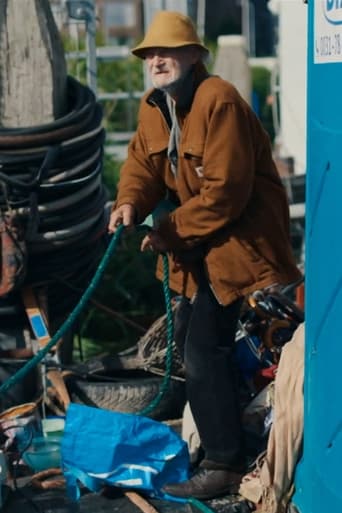
In 2023, there were an estimated 30.6 thousand homeless people. This number continues to rise at an alarming rate. One of them is the headstrong Ruurdt. He has difficulty getting help and cannot adapt well to our society. He is now also in danger of losing the houseboat that was assigned to him. 'Ruurdt' is an intimate portrait of a man on the fringes of our society.