

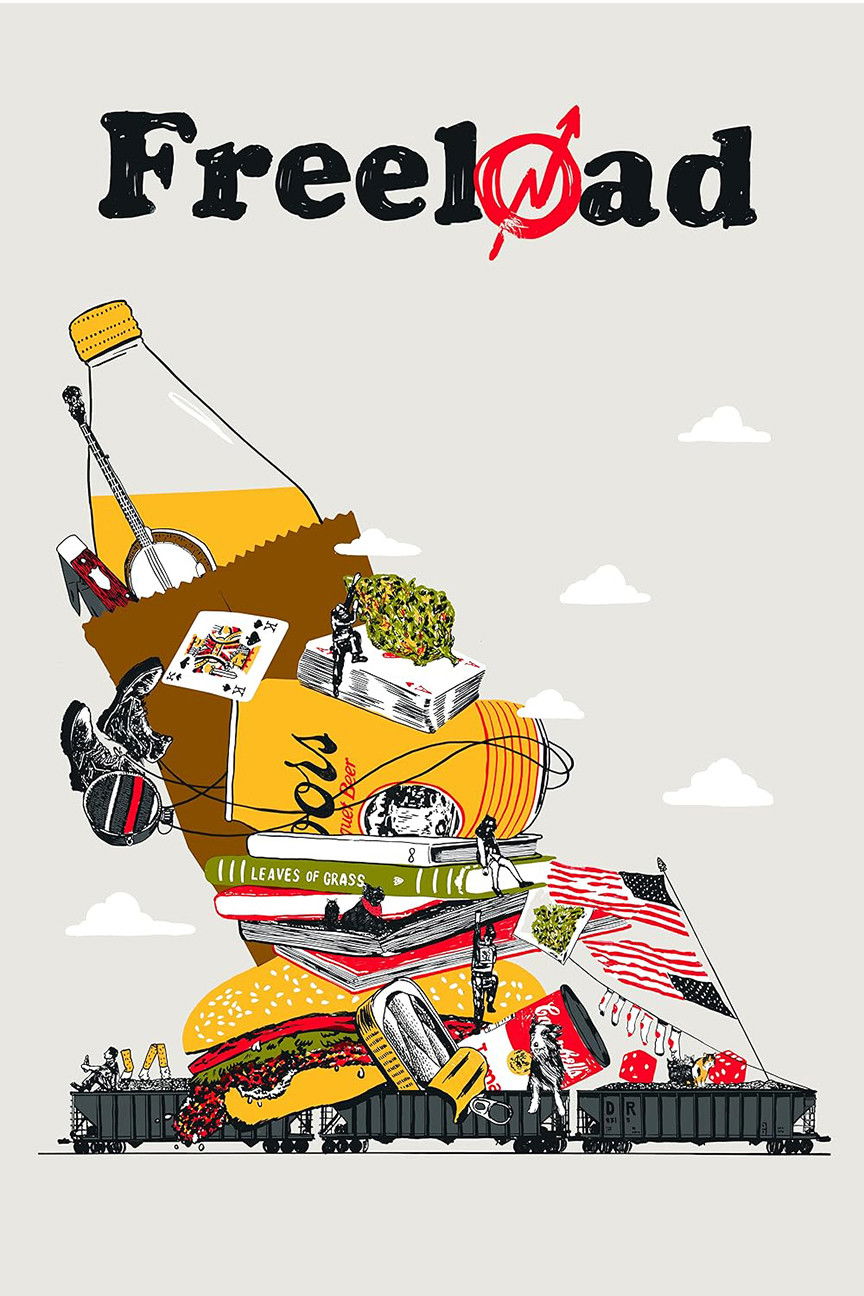
Freeload
Documentary
Overview
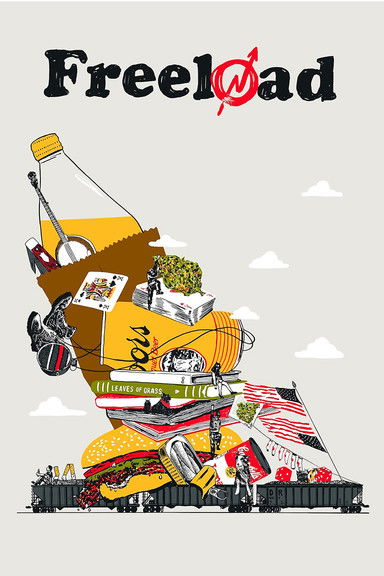
Just as the original hobos of the early 20th century were scorned the mainstream of society, so too are today's train riders. FREELOAD is a dive into a beggar's existence. It is a ride through America's backyard. It is a musical endeavor that feels like a drama. It is a sociological examination of the ignored.

No cast information.
Similar Movies
In their vehicle, Laurie, Kristy and Linda live alone on the American roads. Like thousands of modern American nomads who can no longer afford to pay for their housing. With no money to spare, these three sixty-year old women are fleeing, in their own way, a part of their history that has left a deep mark on them. Driving away, they try to regain some form of peace. But as the miles and seasons pass, despite their impressive temerity and resilience, their quest for a better future is challenged by unexpected events that hit a country in crisis. Will they nevertheless manage, at the end of the road, to find the serenity they are looking for, in order to become someone again?
Vancouver's Downtown East side is home to thousands of drug addicts, prostitutes, and the mentally ill. Amateur cameraman K.R.T. spent one summer on these mean streets getting to know longtime homeless drug addicts Ken and Lisa. This seemingly random footage was given to first time writer/director Josh Laner who found a story of people trying to connect in an area where no one seems connected to much of anything. An intimate and surreal look at life on the streets in Canada's most impoverished postal code. This is Josh Laner's first film.
The film is a controversy on democracy. Is our society really democratic? Can everyone be part of it? Or is the act of being part in democracy dependent to the access on technology, progression or any resources of information, as philosophers like Paul Virilio or Jean Baudrillard already claimed?
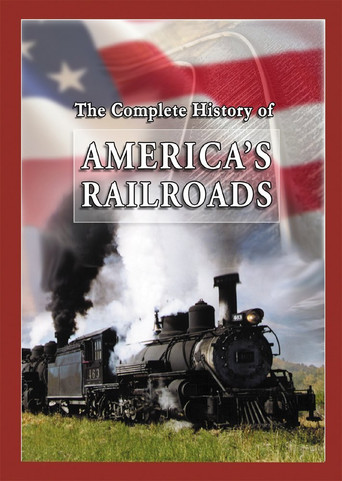
No matter what your age you'll love watching this impressive and comprehensive story of the development of railroading in America. Rail enthusiasts as well as history buffs, teachers and home schoolers, plus kids of all ages will appreciate this magnificent rail adventure covering live action historic operating railroads, rare photos of drawings and valuable memorabilia, and live action re-enactments. Featuring spectacular cinematography and an inspiring musical score, this Award-Winning four part DVD covers over one-hundred years of railroading evolution.
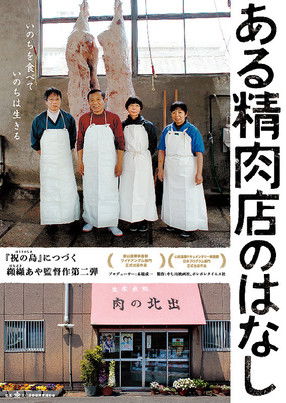
The Kitades run a butcher shop in Kaizuka City outside Osaka, raising and slaughtering cattle to sell the meat in their store. The seventh generation of their family's business, they are descendants of the buraku people, a social minority held over from the caste system abolished in the 19th century that is still subject to discrimination. As the Kitades are forced to make the difficult decision to shut down their slaughterhouse, the question posed by the film is whether doing this will also result in the deconstruction of the prejudices imposed on them. Though primarily documenting the process of their work with meticulous detail, Aya Hanabusa also touches on the Kitades' participation in the buraku liberation movement. Hanabusa's heartfelt portrait expands from the story of an old-fashioned family business competing with corporate supermarkets, toward a subtle and sophisticated critique of social exclusion and the persistence of ancient prejudices.
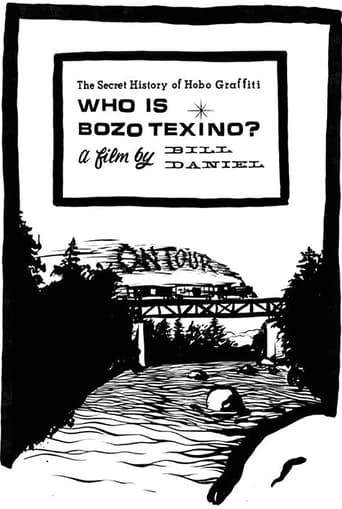
"Who Is Bozo Texino?" is a film study on the 100-year-old tradition of hobo and railworker graffiti. Mostly shot on freight trips across the western US, the film includes interviews with some of the railroad’s greatest graffiti legends: Colossus of Roads, The Rambler, Herby (RIP) and the granddaddy of them all, Bozo Texino. The film also catches some of the socio-economic history of hobo subculture from its roots after the Civil War to the present day. The range of the interviews, and the film’s style deal with both the clichés and the harsh realities of tramp life.
In the 1980s and 1990s, an epidemic of crack cocaine addiction ravaged African American communities across the United States. Crack is extremely addictive, a trap that can lead to homelessness and an early death. Black addicts in Atlanta, Georgia tell us about their addiction, their past, and their struggles with police.
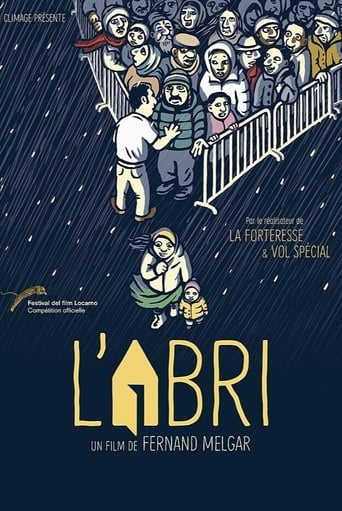
It is winter at an emergency shelter for the homeless in Lausanne. Every night at the door of this little-known basement facility the same entry ritual takes place, resulting in confrontations which can sometimes turn violent. Those on duty at the shelter have the difficult task of “triaging the poor”: the women and children first, then the men. Although the total capacity at the shelter is 100, only 50 “chosen ones” will be admitted inside and granted a warm meal and a bed. The others know it will be a long night.