

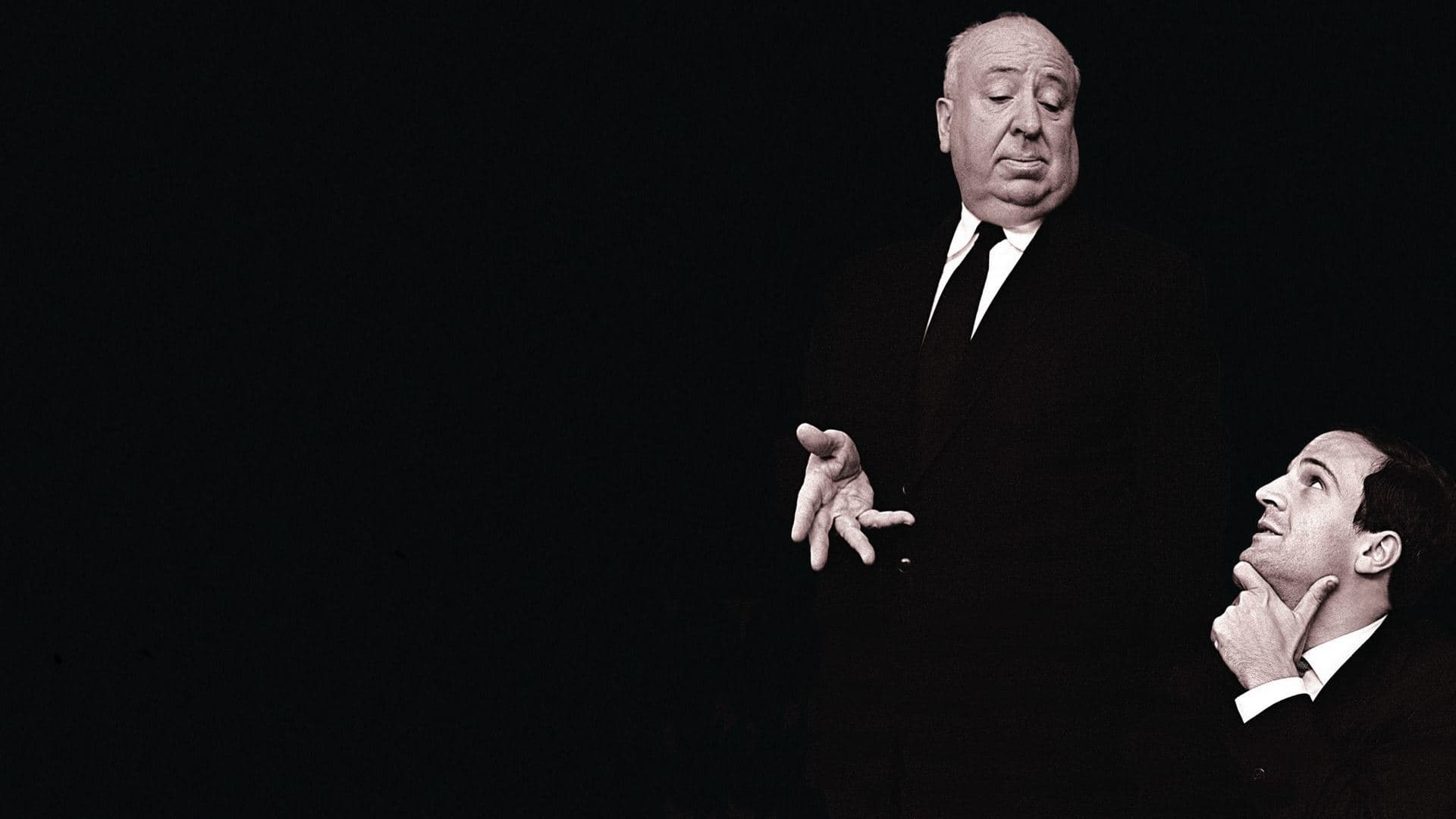
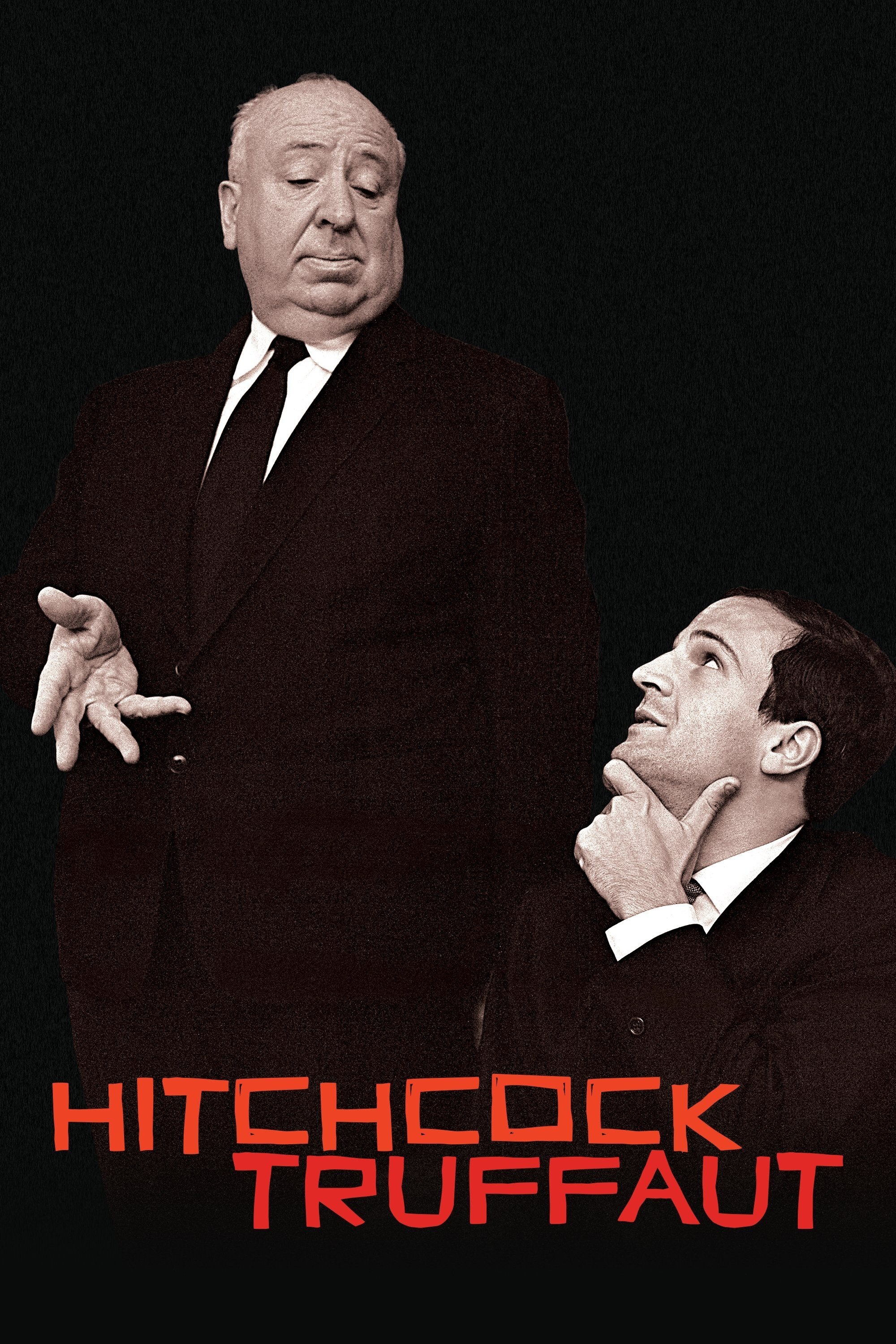
Hitchcock/Truffaut
Documentary
Overview
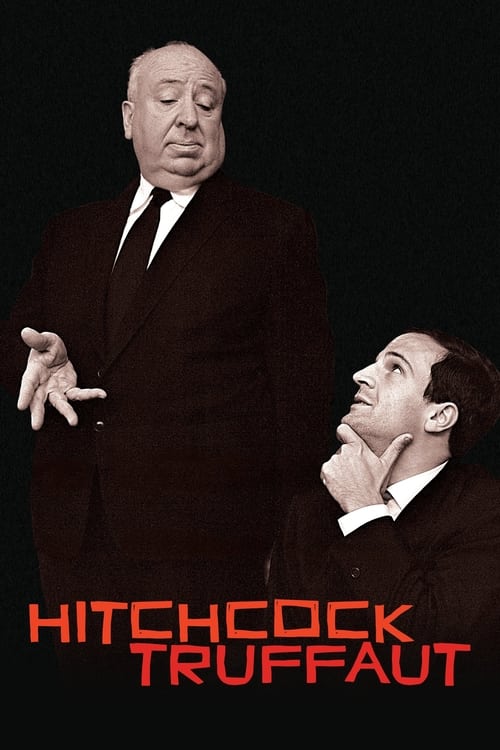
Filmmakers discuss the legacy of Alfred Hitchcock and the book “Hitchcock/Truffaut” (“Le cinéma selon Hitchcock”), written by François Truffaut and published in 1966.








Bob Balaban
Bob Balaban
Narrator (voice)
Bob Balaban
Narrator (voice)

Wes Anderson
Wes Anderson
Self
Wes Anderson
Self
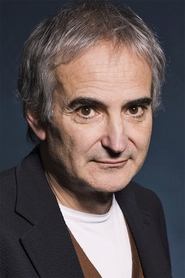
Olivier Assayas
Olivier Assayas
Self
Olivier Assayas
Self

Peter Bogdanovich
Peter Bogdanovich
Self
Peter Bogdanovich
Self
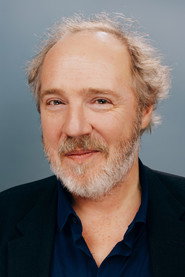
Arnaud Desplechin
Arnaud Desplechin
Self
Arnaud Desplechin
Self

David Fincher
David Fincher
Self
David Fincher
Self

James Gray
James Gray
Self
James Gray
Self

Kiyoshi Kurosawa
Kiyoshi Kurosawa
Self
Kiyoshi Kurosawa
Self

Richard Linklater
Richard Linklater
Self
Richard Linklater
Self

Paul Schrader
Paul Schrader
Self
Paul Schrader
Self
Similar Movies
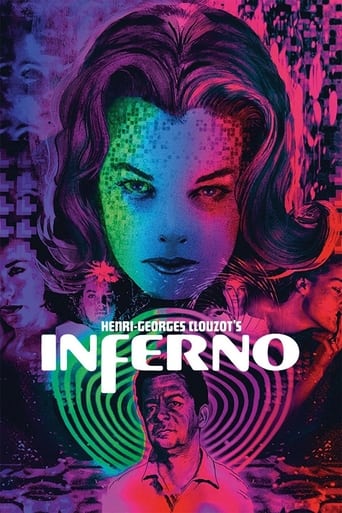
In 1964, Henri-Georges Clouzot's production of L'Enfer came to a halt. Despite huge expectations, major studio backing and an unlimited budget, after three weeks the production collapsed. This documentary presents Inferno's incredible expressionistic original rushes, screen tests, and on-location footage, whilst also reconstructing Clouzot's original vision, and shedding light on the ill-fated endeavor through interviews, dramatizations of unfilmed scenes, and Clouzot's own notes.
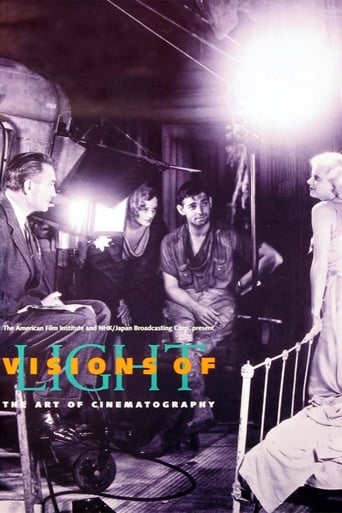
Cameramen and women discuss the craft and art of cinematography and of the "DP" (the director of photography), illustrating their points with clips from 100 films, from Birth of a Nation to Do the Right Thing. Themes: the DP tells people where to look; changes in movies (the arrival of sound, color, and wide screens) required creative responses from DPs; and, these artisans constantly invent new equipment and try new things, with wonderful results. The narration takes us through the identifiable studio styles of the 30s, the emergence of noir, the New York look, and the impact of Europeans. Citizen Kane, The Conformist, and Gordon Willis get special attention.
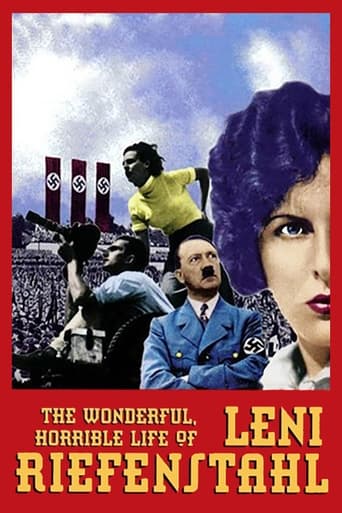
This documentary recounts the life and work of one of most famous, and yet reviled, German film directors in history, Leni Riefenstahl. The film recounts the rise of her career from a dancer, to a movie actor to the most important film director in Nazi Germany who directed such famous propaganda films as Triumph of the Will and Olympiad. The film also explores her later activities after Nazi Germany's defeat in 1945 and her disgrace for being so associated with it which includes her amazingly active life over the age of 90.