

Houses of Poverty
Documentary · Drama
Overview
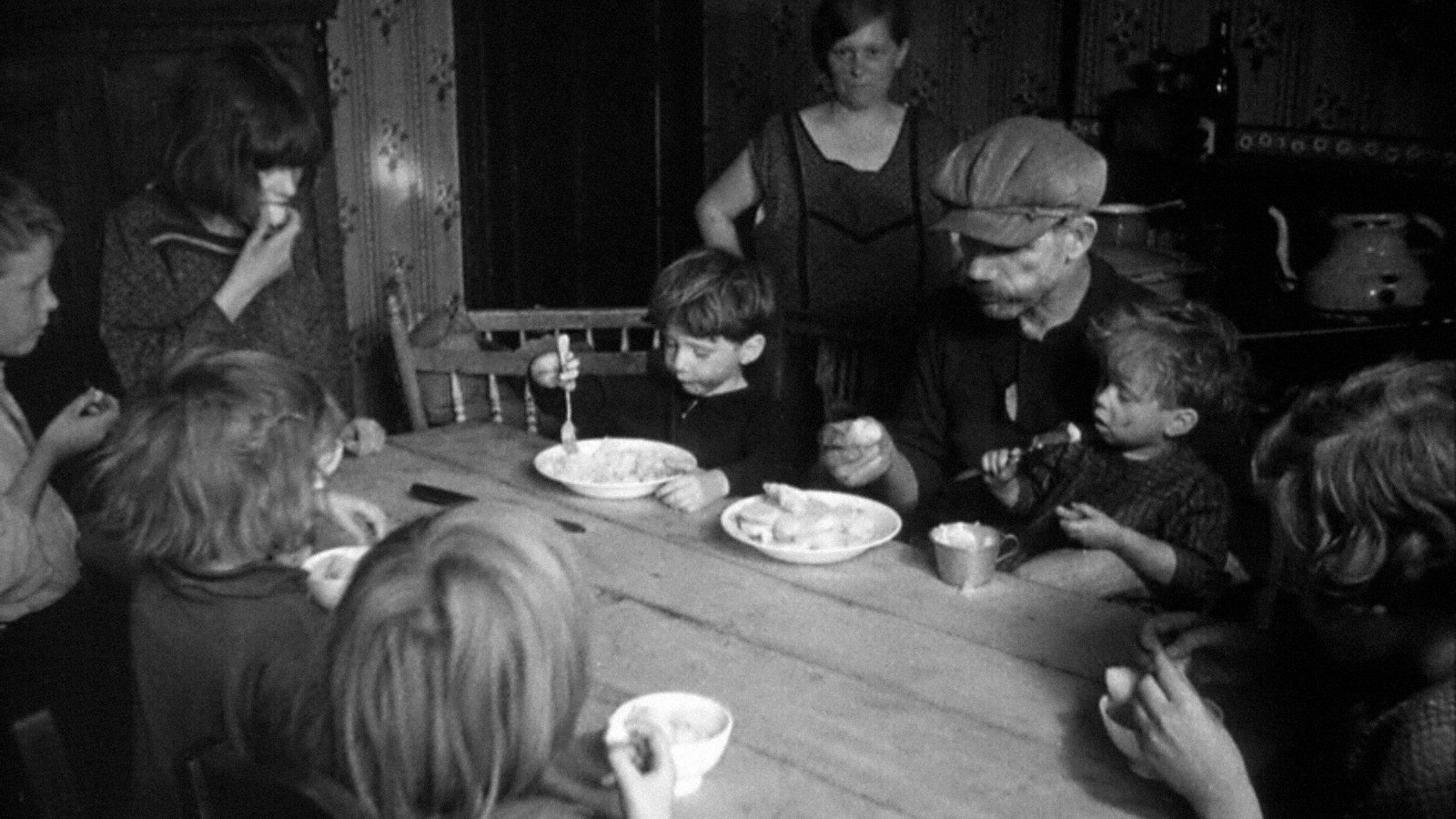
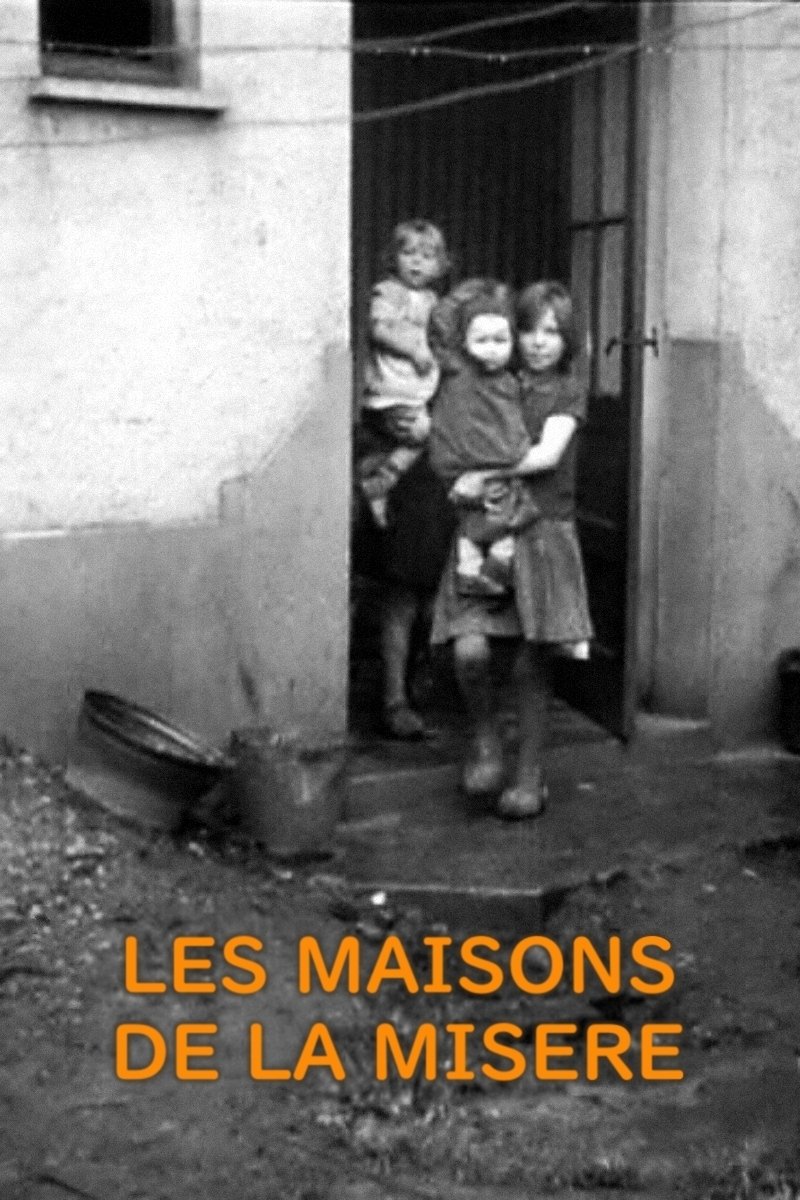
Henri Storck’s militant short on Depression-era Belgium, set in Walloon slums on the outskirts of a prosperous city. Staged vignettes expose substandard housing, overcrowding, and numbed survival through claustrophobic, frame-filling images; a coda on slum clearance and “garden city” rehousing offers guarded hope.



















No cast information.
Similar Movies
In a settlement in the northern mining country. The Marles, Bréhard and Gohelle families wake up and prepare for a new day at work. The young engineer Larzac, newly appointed to the mine, will soon oppose the authoritarian and conservative methods of his superior Dubard. Georges Gohelle would like to marry Marie Bréhard, but housing difficulties thwart their plans. Brezza, a Polish immigrant, who must return to his country, would like to hate his marriage to Louise Gohelle. Roger, Marie's little brother, has just turned 14. He does not want to go down to the mine as his elders have always done. He will however have to resign himself to it. Marles evokes for him the social struggles of 1906. Roger is injured during a landslide. In front of his family and his friend Marles, who had come to the hospital, he announced his decision to continue his profession. Larzac, invited to the Marles, reveals that he refused a quiet position at the Charbonnages de Paris. He too stays.
In 1843, despite the fact that Dickens is a successful writer, the failure of his latest book puts his career at a crossroads, until the moment when, struggling with inspiration and confronting reality with his childhood memories, a new character is born in the depths of his troubled mind; an old, lonely, embittered man, so vivid, so human, that a whole world grows around him, a story so inspiring that changed the meaning of Christmas forever.
J and Jacky are good friends who attend the same school. J is from a single-parent family, and will be taken care by Jacky’s family whenever his mother has to return to Mainland to renew her visa; such kind of story is not an isolated case. These families have been uprooted for a “better future” in Hong Kong, but is this “future” that the children really long to have? A Chinese saying: “How does one understand the joy of fish, if one is not a fish?” Will the adults really understand what the children want?
Rome, 1957. A woman, Cabiria, is robbed and left to drown by her boyfriend, Giorgio. Rescued, she resumes her life and tries her best to find happiness in a cynical world. Even when she thinks her struggles are over and she has found happiness and contentment, things may not be what they seem.
A young engineer Aydin comes back to his hometown after years of education as a mining engineer in London. Selami, the owner of a local wood company, paid for Aydin's tuition and expenses. Selami has been the employer of Aydin's father in the past and he acts like an elder brother for Aydin, offers him to stay in his house. Aydin starts to work as the chief engineer in one of the mining companies. From the first day onwards Aydin opposes the mining practices imposed by Rahmi Bey, the owner of the company. He orders to stop mining and deals with the wood sellers who sell low-quality wood used to support the thrusts in the mines.
Kaj is a stubborn man with a great deal of pride. The former chef lives in a council flat. He has wasted his life and is now on a council job training scheme for the long-term unemployed, where he refuses to let the foreman of the activation project boss him about. When Kaj's daughter, with whom he has not been in touch for nineteen years, moves into the same council estate on the run from her violent husband, a change comes over Kaj. His initial instinct is to avoid her, but by chance he ends up helping to look after Jonas, her six-year-old son. For the first time for years Kaj need not survive on his own devices. Now he has responsibilities and a family of his own.