

Rose Of The Desert
Drama
Overview
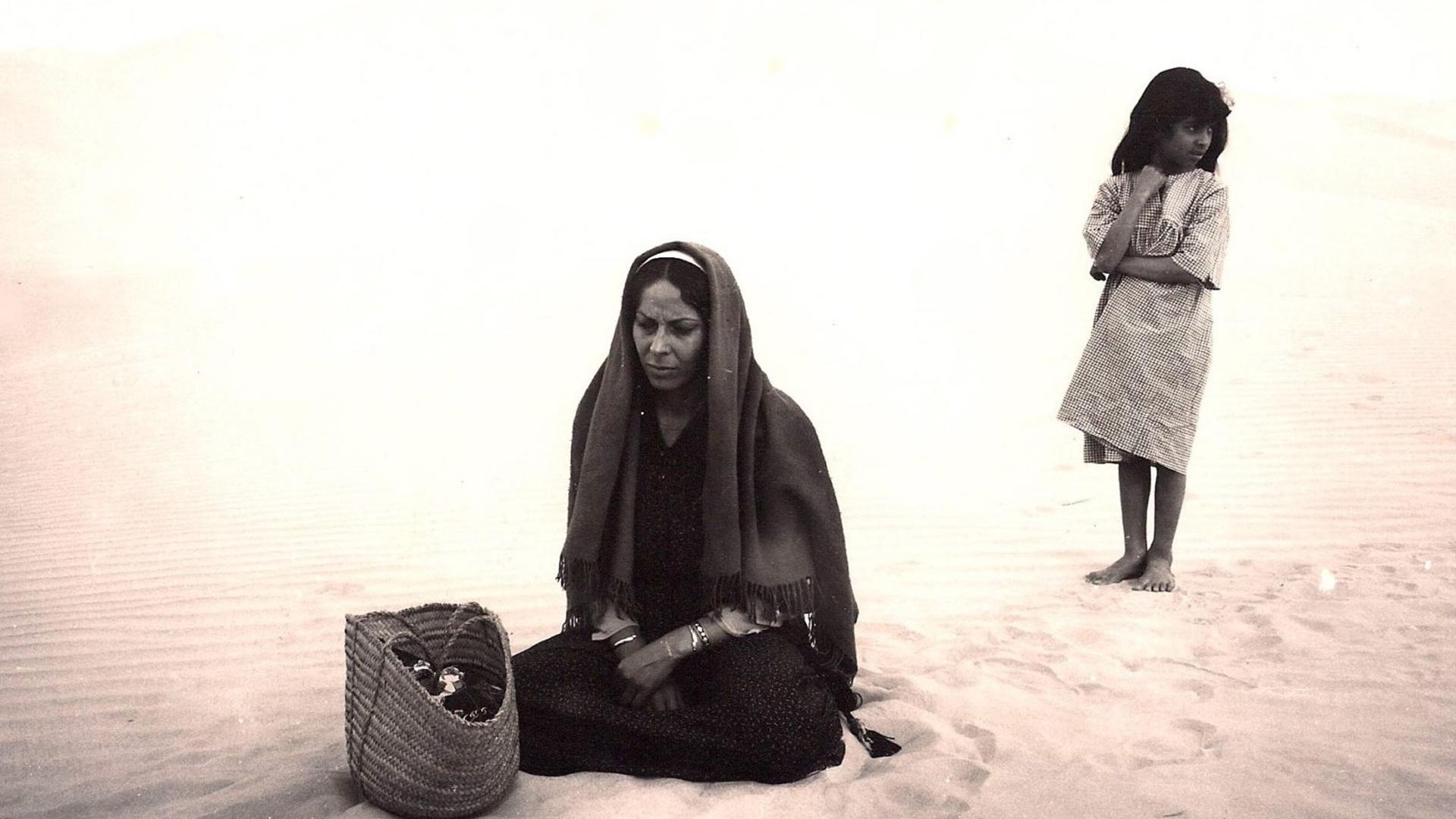
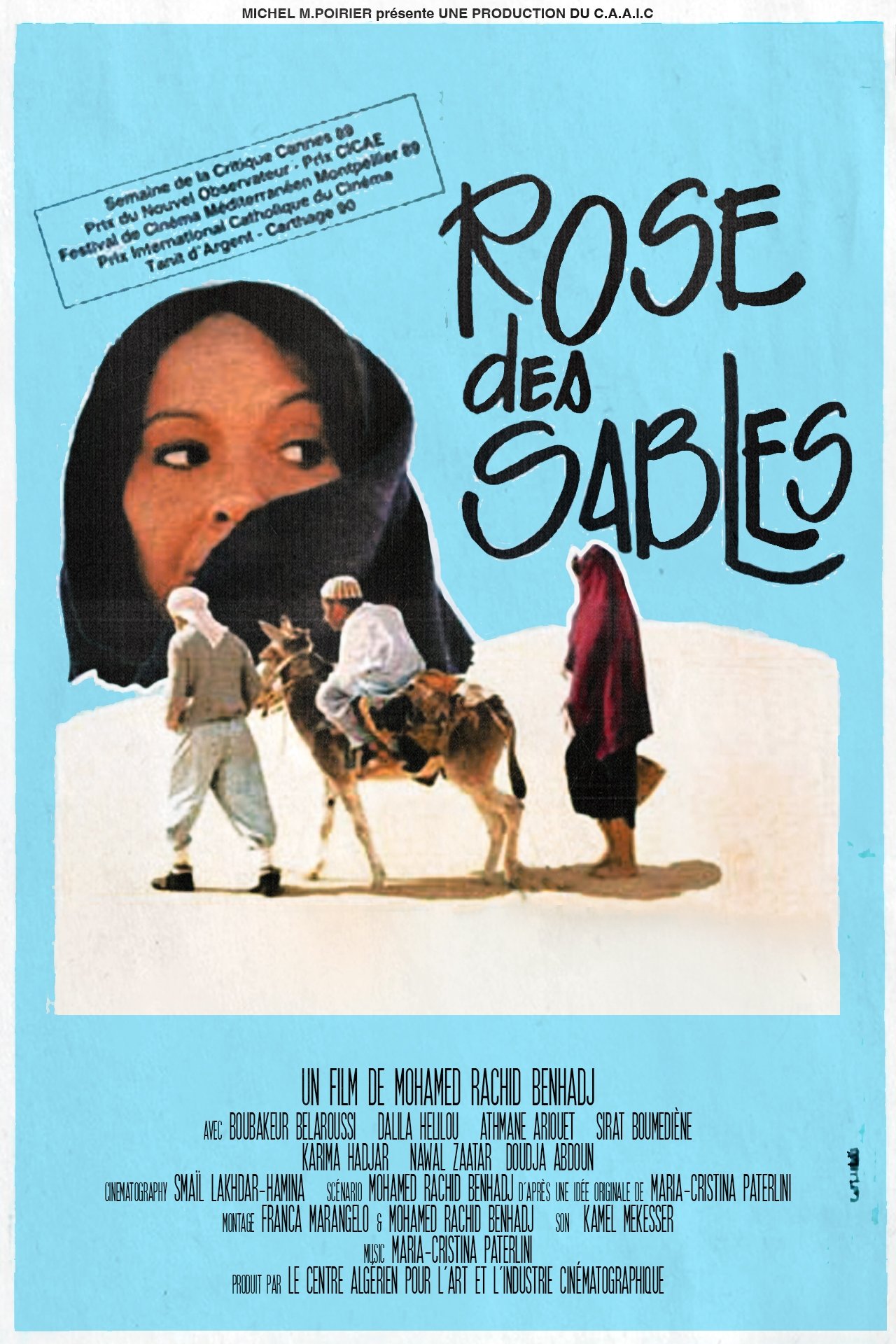
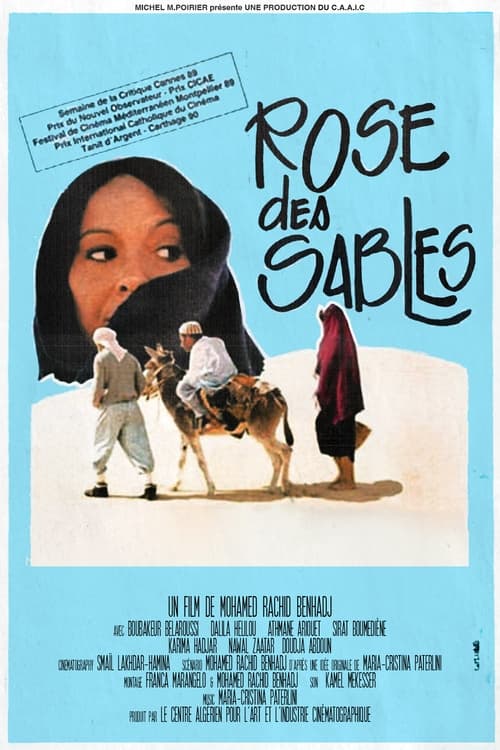
An oasis lost in the Saharan desert more than 700km from Algiers. A society still functioning on centuries-old rituals. The only connection to the city is a bus that passes once a day. Moussa, disabled from birth, lives there with his sister Zineb; They try, together, to reconstitute a family unit that the war has destroyed. The family is the dream of the idyllic times of childhood, of times when parents took all the responsibilities. Moussa is perfectly independent, although he has no arms, he nevertheless loves being cared for by his sister. Zineb, for her part, does not dare to face the new world that a marriage would constitute. Life passes punctuated by the same gestures. Zineb takes the bus to go to work at the date packaging factory. Moussa goes to see the schoolmaster, draws or dreams of Mériem, the woman he loves. A rose secretly grows in the sand, which Moussa waters every day.



Boubakeur Belaroussi
Boubakeur Belaroussi
Moussa
Boubakeur Belaroussi
Moussa
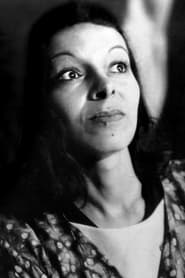
Dalila Helilou
Dalila Helilou
Zineb
Dalila Helilou
Zineb

Athmane Ariouet
Athmane Ariouet
Tahar
Athmane Ariouet
Tahar

Sirat Boumediène
Sirat Boumediène
Rachid
Sirat Boumediène
Rachid
Karima Hadjar
Karima Hadjar
Meriem
Karima Hadjar
Meriem
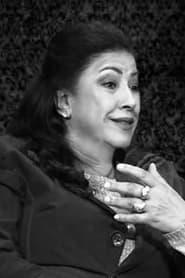
Nawal Zaatar
Nawal Zaatar
Samia
Nawal Zaatar
Samia
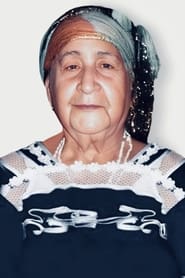
Doudja Abdoun
Doudja Abdoun
Bakhta
Doudja Abdoun
Bakhta
Similar Movies

Frantz Fanon, a French psychiatrist from Martinique, has just been appointed head of department at the psychiatric hospital in Blida, Algeria. His methods contrast with those of the other doctors in a context of colonization. A biopic in the heart of the Algerian war where a fight is waged in the name of Humanity.
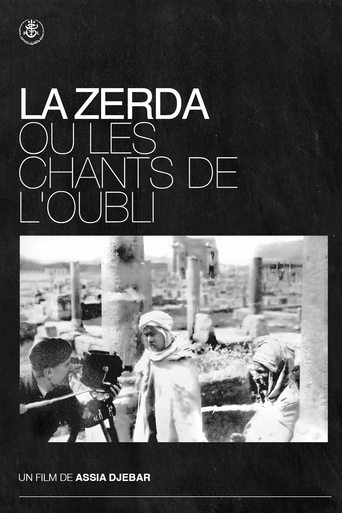
“La Zerda and the songs of oblivion” (1982) is one of only two films made by the Algerian novelist Assia Djebar, with “La Nouba des femmes du mont Chenoua” (1977). Powerful poetic essay based on archives, in which Assia Djebar – in collaboration with the poet Malek Alloula and the composer Ahmed Essyad – deconstructs the French colonial propaganda of the Pathé-Gaumont newsreels from 1912 to 1942, to reveal the signs of revolt among the subjugated North African population. Through the reassembly of these propaganda images, Djebar recovers the history of the Zerda ceremonies, suggesting that the power and mysticism of this tradition were obliterated and erased by the predatory voyeurism of the colonial gaze. This very gaze is thus subverted and a hidden tradition of resistance and struggle is revealed, against any exoticizing and orientalist temptation.
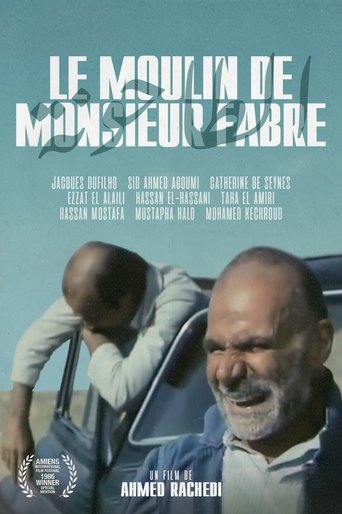
The story of the post-independence nationalization of the mill of Monsieur Fabre, an old man attached to the land of Algeria where he was born. In this small town in eastern Algeria, there was nothing else to nationalize and they were actively preparing for the arrival of high dignitaries who would elevate the mill to the rank of an industrial flour mill even though it was threatened with ruin. The comedy gets worse when the football player from the local team withdraws for love, the officials' visit is canceled and Mr. Fabre returns.

As a boy, Raoul is reared by an Arab tribe in Algerian Sahara. Years later, as a refined Europeanized gentleman, he falls in love with Barbara, an officer's daughter, who rejects him when she discovers his background. Affecting a raid, he captures her and then secretly buys her at a slave auction. When she is rescued by French troops, however, his ancestry is established and they find happiness together.
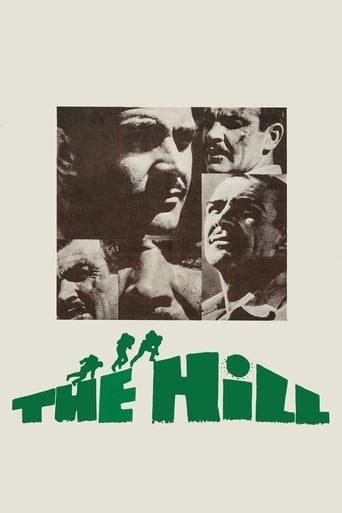
North Africa, World War II. British soldiers on the brink of collapse push beyond endurance to struggle up a brutal incline. It's not a military objective. It's The Hill, a manmade instrument of torture, a tower of sand seared by a white-hot sun. And the troops' tormentors are not the enemy, but their own comrades-at-arms.
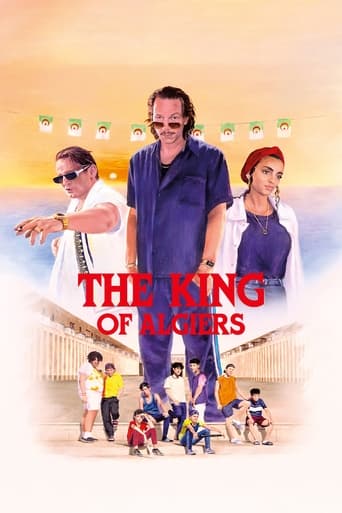
Omar, better known as Omar the Strawberry, is an old-fashioned bandit. Forced to flee to Algeria, he makes a living out of petty crime, accompanied by his famous sidekick Roger. After decades of ruling the French criminal underworld, they must come to terms with their new life together, which until now has been one of debauchery and violence.

60 years ago, in the Algerian desert, an atomic bomb, equivalent to three or even four times Hiroshima, exploded. Named the “Blue Gerboise”, it was the first atomic bomb tested by France, and of hitherto unrivaled power. This 70 kiloton plutonium bomb was launched in the early morning, in the Reggane region, in southern Algeria, during the French colonial era. If this test allowed France to become the 4th nuclear power in the world, it had catastrophic repercussions. France had, at the time, certified that the radiation was well below the standard safety threshold. However, in 2013, declassified files revealed that the level of radioactivity had been much higher than announced, and had been recorded from West Africa to the south of Spain.