

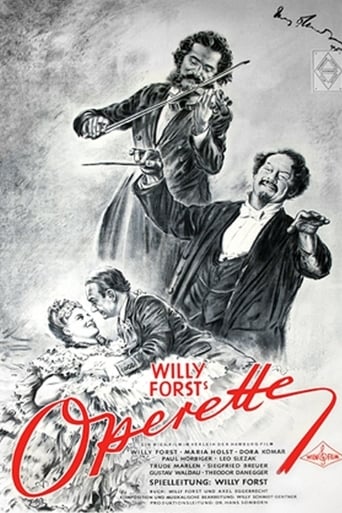
Landmandsliv
Drama
Overview
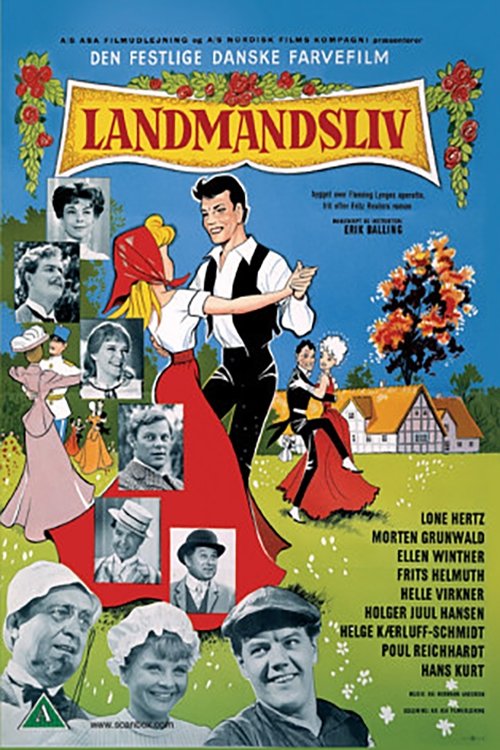
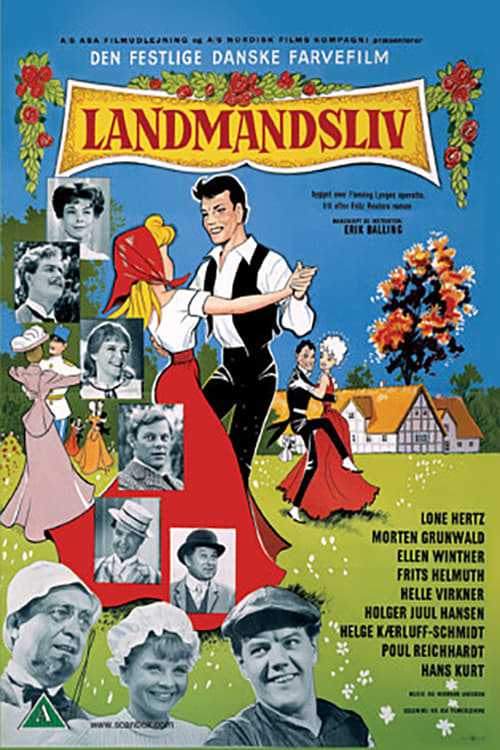
The von Ramborgs, a couple who own a big estate, are having some serious money issues. Their estate is run by a bunch of talented folks. The count's nephew Frantz shows up at the estate and immediately falls for Louise, who's the daughter of the estate manager. The maid Marie falls for Frantz, while the handyman Fritz is into Marie. In addition to these complications, two swindlers arrive at the estate. They want to try to cheat von Ramborg out of his estate. However, von Ramborg gets help from Marie and Havermann, who is the estate manager.
Top Cast

Birthe Bang
Birthe Bang
Louise Havermann
Birthe Bang
Louise Havermann

Helge Kjærulff-Schmidt
Helge Kjærulff-Schmidt
Bræsig
Helge Kjærulff-Schmidt
Bræsig
Svend Nikander
Svend Nikander
Jochum
Svend Nikander
Jochum

Henning Palner
Henning Palner
Grev Axel von Ramborg
Henning Palner
Grev Axel von Ramborg

Margareta Fahlén
Margareta Fahlén
Frida
Margareta Fahlén
Frida
Elith Pio
Elith Pio
Karl Havermann
Elith Pio
Karl Havermann

Ole Søltoft
Ole Søltoft
Triddelfritz
Ole Søltoft
Triddelfritz
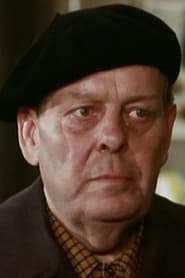
Gunnar Lemvigh
Gunnar Lemvigh
Pomuchelsskopp
Gunnar Lemvigh
Pomuchelsskopp

Olaf Ussing
Olaf Ussing
Fuchsschwans
Olaf Ussing
Fuchsschwans
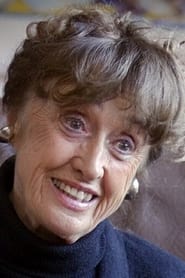
Vera Gebuhr
Vera Gebuhr
Høne
Vera Gebuhr
Høne
Similar Movies
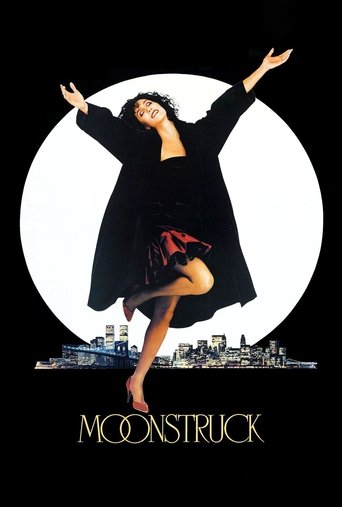
37-year-old Italian-American widow Loretta Castorini believes she is unlucky in love, and so accepts a marriage proposal from her boyfriend Johnny, even though she doesn't love him. When she meets his estranged younger brother Ronny, an emotional and passionate man, she finds herself drawn to him. She tries to resist, but Ronny, who blames his brother for the loss of his hand, has no scruples about aggressively pursuing her while Johnny is out of the country. As Loretta falls for Ronny, she learns that she's not the only one in her family with a secret romance.
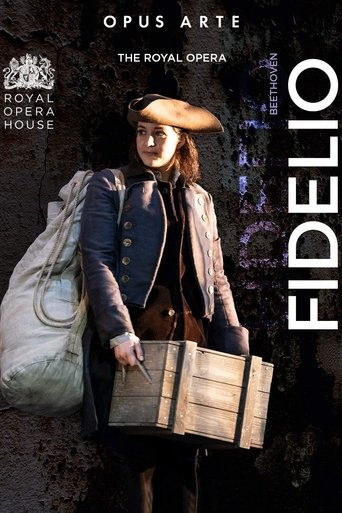
Beethoven’s only opera is a masterpiece, an uplifting story of risk and triumph. In this new production, conducted by Antonio Pappano, David Butt Philip plays the political prisoner Florestan, and Lise Davidsen his wife Leonore (disguised as ‘Fidelio’) who daringly sets out to rescue him. Set in strong counterpoint are the ingredients of domestic intrigue, determined love and the cruelty of an oppressive regime.
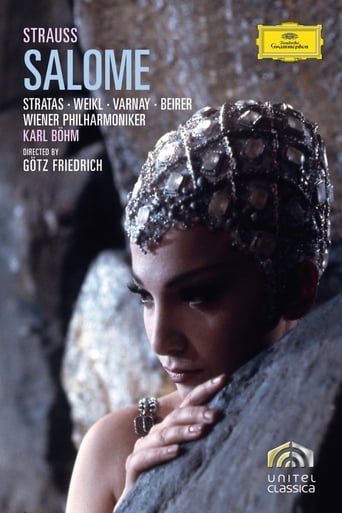
This filmed version of Strauss' shocker features Teresa Stratas as opera's most depraved teenager, and she's as perfect a Salome as one would ever hope to see or hear. Stratas inhabits the role, exploring the character's sensuousness as she vainly woos Jochanaan, her venomous hatred when she's rejected, the crazed look in her eyes when she demands his head--on a silver platter, no less. Such complete identification with a role, especially of a character so malignant helps make this 1974 Salome stand out among the many fine DVDs of the opera.
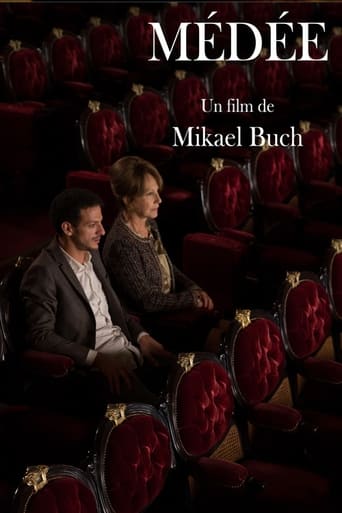
A lonely mother and her son go to the opera where a performance of Cherubini’s opera Medea is given. It is the mother’s birthday and she wanted to surprise her son by inviting him to the opera. But, the son’s plan were different and he is quite upset about it. His mother tries to break the silent barrier behind which he hides. A semblance of discussion begins, not without humour. Tension is present but, as the performance goes on, both find themselves astounded, captured, alone in the opera house.
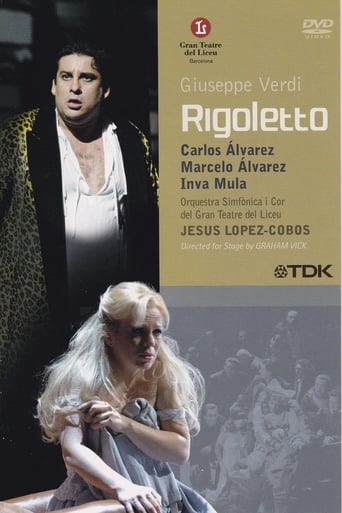
In Rigoletto, the deformed figure of the hunchbacked jester at the Mantuan court acts as a foil to his cynical and powerful master, an unscrupulous philanderer contrasted with his cruel and unforgiving fool. Rigoletto encourages and welcomes the Duke's conquests, pitilessly mocking his victims until he discovers that the Duke has abducted the one person he genuinely loves, his own daughter. As a result, the character of the court jester is transformed into a tragic figure who, in spite of his evident immorality and malice, allows us to sense the devotion he feels for his daughter and his horror at being destroyed by the same despotic world as that which he himself has helped to create.
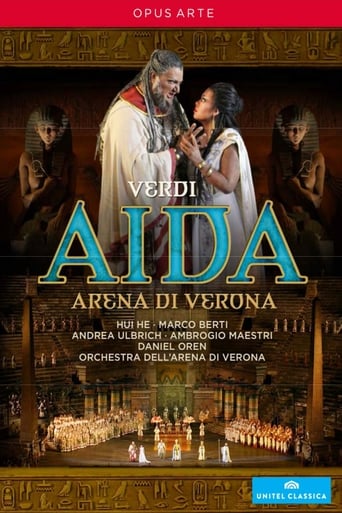
The grand scale and magnificent acoustics of the Roman arena in Verona are ideally suited to the pageantry of Verdi's Egyptian opera, presented here in a staging that is true to the original 1913 production, framed by obelisks and sphinxes and filled with chorus and dancers. Chinese soprano Hui He has won international acclaim for her portrayal of the eponymous slave girl whose forbidden love for the war hero Radamés (Marco Berti, the experienced Verdi tenor) brings death to them both.
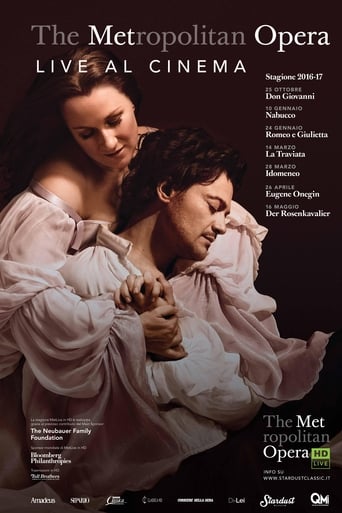
Diana Damrau and Vittorio Grigolo are opera’s classic lovers in Gounod’s lush Shakespeare adaptation. Director Bartlett Sher’s “brilliant and inspired new production … is a revelation” (Huffington Post), and has already won acclaim for its vivid 18th-century milieu and stunning costumes during runs at Salzburg and La Scala. Emmanuel Villaume conducts the sumptuous score.
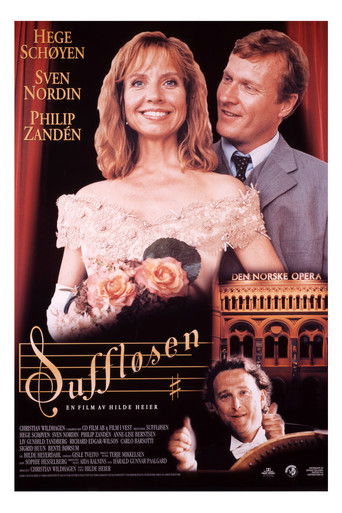
Siv works as a prompter for the Norwegian opera. As the rehearsals for Aida starts, she marries a demanding man, Fred, who still has a strong connection to his ex-wife. Starting at her wedding, Siv must repeatedly take a back seat, both to Freds children and their mother. But when she meets a man who shares her passion for music, she starts to question the path her life has taken.
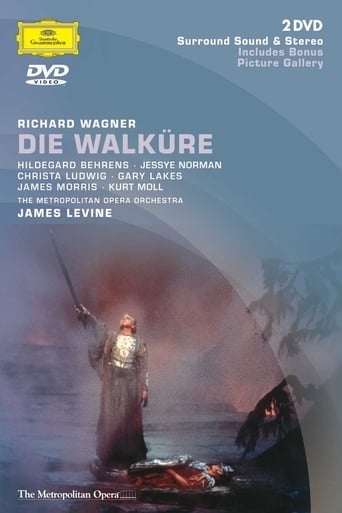
The gorgeous and evocative Otto Schenk/Günther Schneider-Siemssen production continues with this second opera in Wagner’s Ring cycle. Hildegard Behrens brings deep empathy to Brünnhilde, the favorite daughter of the god Wotan (James Morris) who nevertheless defies him. Morris’s portrayal of Wotan is deservedly legendary, as is Christa Ludwig, as Fricka. Jessye Norman and Gary Lakes are Sieglinde and Siegmund, and Kurt Moll is the threatening Hunding. James Levine and the Met orchestra provide astonishing color and drama. (Performed April 8, 1989)