

The Loop
Documentary
Overview
Experimental movie dedicated to the work of Ljubomir Šimunić, author of avant-garde seventies and eighties movies, and photographer. The Loop is about exploration of the eroticism phenomenon in the movie. This crossroad of Hollywood and European underground approach is shown trough the work of Belgrade garage movie author. Using the language of moving pictures author is searching for the missing shaman, a great master of magic - Šime.


Saša Radojević
Saša Radojević
Inspektor
Saša Radojević
Inspektor
Ljubomir Šimunić
Ljubomir Šimunić
Himself
Ljubomir Šimunić
Himself
Daniel Kovač
Daniel Kovač
Himself
Daniel Kovač
Himself
Amra Latifić
Amra Latifić
Herself
Amra Latifić
Herself
Marina Marković
Marina Marković
Herself
Marina Marković
Herself
Sandra Miletić
Sandra Miletić
Herself
Sandra Miletić
Herself

Ljuma Penov
Ljuma Penov
Herself
Ljuma Penov
Herself
Anja Popović
Anja Popović
Herself
Anja Popović
Herself
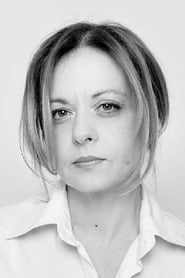
Tatjana Venčelovski
Tatjana Venčelovski
Herself
Tatjana Venčelovski
Herself
Ivan Zarić
Ivan Zarić
Himself
Ivan Zarić
Himself
Similar Movies

The film tells a story of Kosynka, a pregnant mare, and her owner, a battered old man. Kosynka leads the “horse walker,” designed to train young horse to walk steadily and at a pace. Set to a soundtrack of Bach and Russian folk music, this film is another example of a parable-like narrative, which became more popular in Soviet documentary in the early 1970s.
24 hours at the Berlin traffic accident standby service. The frequency of accidents on the streets of the capital of the German Democratic Republic (GDR) becomes apparent, including inappropriate and increased speed, pedestrian errors, failure to give way and driving under the influence of alcohol. Major Busse, the head of the Berlin Traffic Accident Investigation Unit, raises the question of whether the GDR has developed its own kind of driving. The camera provides interesting insights into the carelessness and aggressiveness of road users, which can lead to serious injuries and deaths
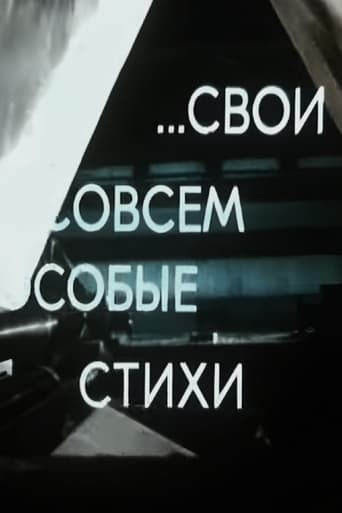
This poetic core in youngsters is also touched in Stanukina's less known Your very personal poetry (Свои, совсем особые стихи, 1982), a wonderful film about a poetry class. It is here that one recalls Kogan's admiration of Lyalya's emotional documentary skills. And it is here that one recalls Kosakovsky's depiction of Lyalya as a person of extraordinarily prosperous feelings, sensitive and energetic, childish and female, shrill and quiet. The young poets are marvellously sneaky, respectfully adoring and creatively playing with - maybe even deconstructing - "Aleksandr Sergeevich", Mr. Pushkin, Russia's exclusive trade mark of high culture and literature.
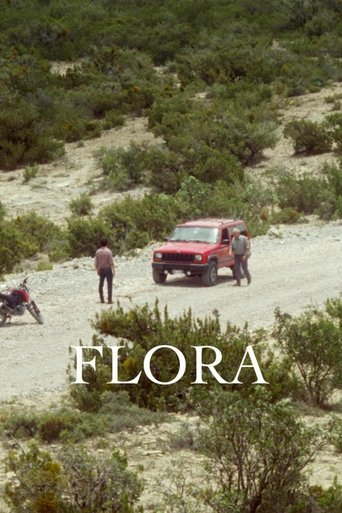
A metacinematic reflection on the nature of representation and the ongoing drug war in Mexico, Nicolás Pereda’s Flora revisits locations and scenes from the mainstream 2010 narco-comedy El Infierno, exploring the paradoxes of depicting narco-trafficking on film—its tendency both to romanticize and to obscure. To screen is both to project and to conceal.
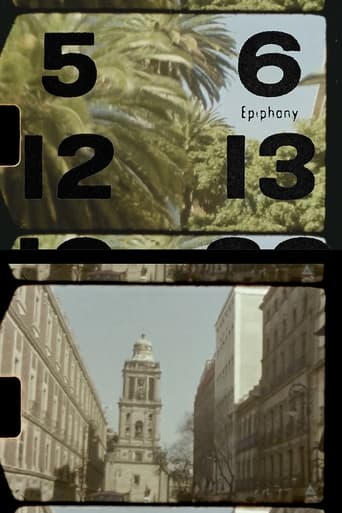
The bleached palette and home-movie aesthetics of Super 8 footage provide the image track for this testimonial about an illegal abortion in Mexico City in the 1960s, delivered in voiceover by the filmmaker’s mother. In its account of this intimate and disorienting memory, Lesser Choices summons a time of profound uncertainty—a moment from an era without rights—and offers a warning to the present.