

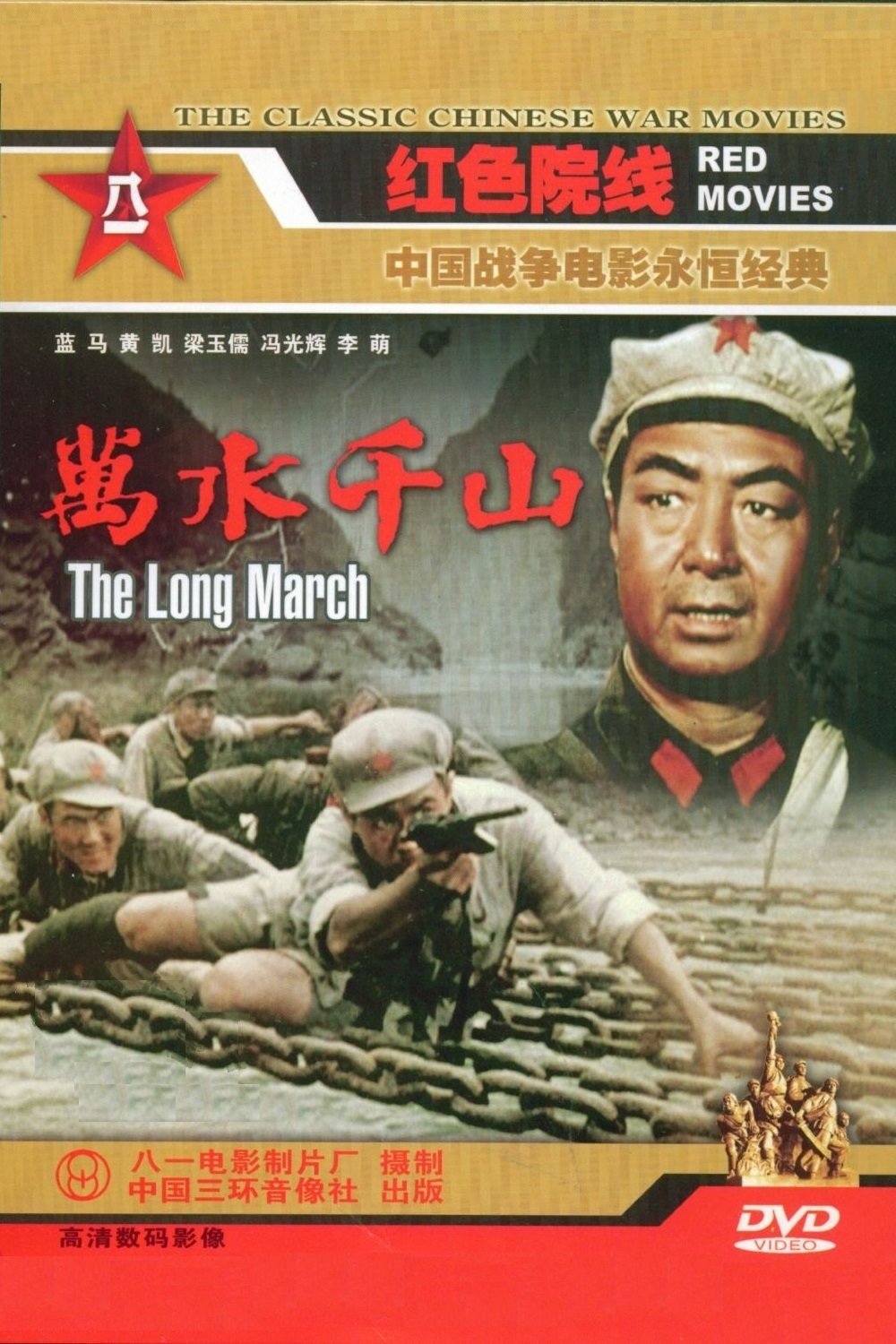
The Long March
War
Overview
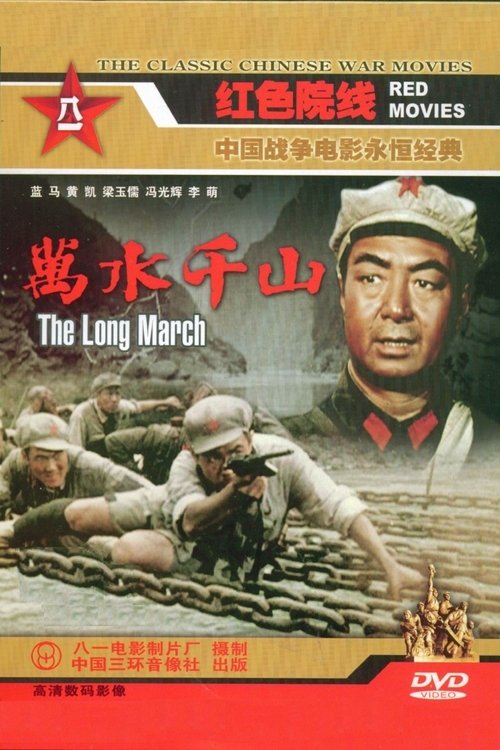
A general depiction of the famous 1930's Long March of the Chinese Red Army.
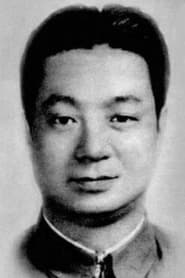
Lan Ma
Lan Ma
Youguo Li
Lan Ma
Youguo Li
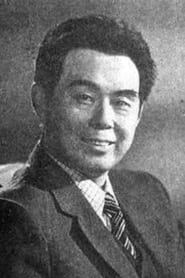
Huang Kai
Huang Kai
Zifang Zhao
Huang Kai
Zifang Zhao
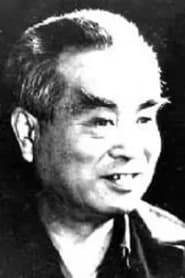
Liang Yuru
Liang Yuru
Haocheng Luo
Liang Yuru
Haocheng Luo
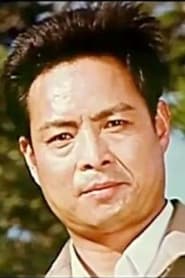
Chen Huiliang
Chen Huiliang
Company Commander Wang
Chen Huiliang
Company Commander Wang
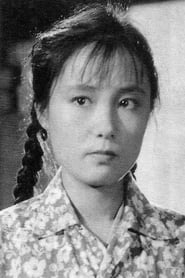
Meng Li
Meng Li
Fenglian Li
Meng Li
Fenglian Li
Erchun Bai
Erchun Bai
Zhou Xiao
Erchun Bai
Zhou Xiao
Chunsheng Wang
Chunsheng Wang
Zhou Lao
Chunsheng Wang
Zhou Lao

Guanghui Feng
Guanghui Feng
Regimental commander
Guanghui Feng
Regimental commander
Yimin Liu
Yimin Liu
Commissar
Yimin Liu
Commissar
Similar Movies
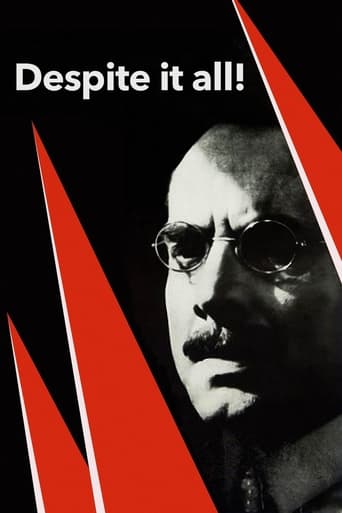
October 1918: Karl Liebknecht is released from prison and Berlin workers celebrate his release. Although WWI is almost over, the German Kaiserreich in vain sends its last reserves to the slaughter. The working class is in a rebellious mood; the uprising of Kiel’s sailors against war and militarism sets off a call for revolution led by Liebknecht. On November 9, Liebknecht declares the Free Socialist Republic of Germany. But pro-Kaiser military and right wing Social Democrats oppose him.

Stach is a wayward teen living in squalor on the outskirts of Nazi-occupied Warsaw. Guided by an avuncular Communist organizer, he is introduced to the underground resistance—and to the beautiful Dorota. Soon he is engaged in dangerous efforts to fight oppression and indignity, maturing as he assumes responsibility for others’ lives. A coming-of-age story of survival and shattering loss, A Generation delivers a brutal portrait of the human cost of war.
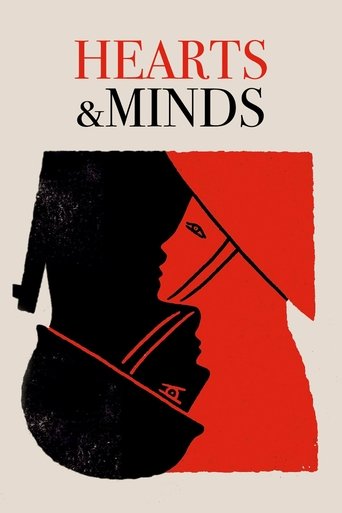
Many times during his presidency, Lyndon B. Johnson said that ultimate victory in the Vietnam War depended upon the U.S. military winning the "hearts and minds" of the Vietnamese people. Filmmaker Peter Davis uses Johnson's phrase in an ironic context in this anti-war documentary, filmed and released while the Vietnam War was still under way, juxtaposing interviews with military figures like U.S. Army Chief of Staff William C. Westmoreland with shocking scenes of violence and brutality.
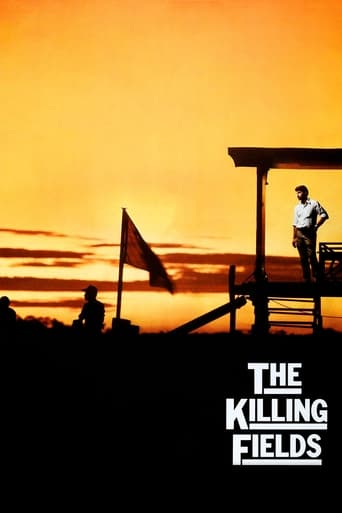
New York Times reporter Sydney Schanberg is on assignment covering the Cambodian Civil War, with the help of local interpreter Dith Pran and American photojournalist Al Rockoff. When the U.S. Army pulls out amid escalating violence, Schanberg makes exit arrangements for Pran and his family. Pran, however, tells Schanberg he intends to stay in Cambodia to help cover the unfolding story — a decision he may regret as the Khmer Rouge rebels move in.
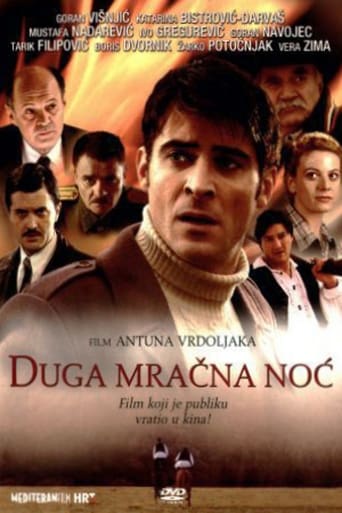
The plot lasts from 1945 until today's day. Pavle, Stojan and Dragisa, the three war friends are taking different positions within the society immediately after the war. Pavle, a former war commissar, is now a school teacher. Thanks to him, Stojan, who was a bakery assistant before the war, does the job of a district committee's secretary, while Dragisa works in the state's secret police. The reason of conflict between Pavle and Stojan in 1947 was Stojan's fiancée Lena, who loves Pavle, marries him and gets pregnant, right when Pavle is taken to the state prison. Stojan accepts his wife and kid again, but the avalanche of political events will make all them unable to stop the inevitable catastrophe.
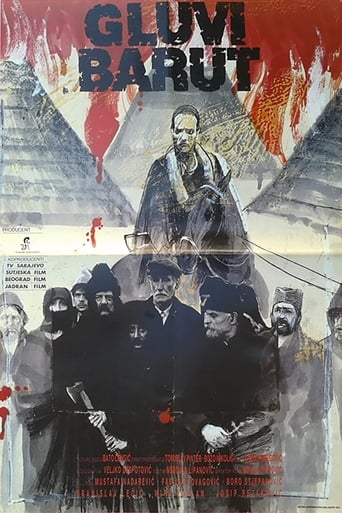
Silent Gunpowder (Serbo-Croatian: Gluvi barut) is a Yugoslavian war film Based on a novel by Branko Ćopić and set during World War II, the film tells the story of a Serbian village in the mountains of Bosnia and its villagers who found themselves divided along two opposing ideological lines, represented by the Chetniks and the Partisans. These two opposing sides are personified in the Partisan commander Španac and a former Royal Army officer Radekić. Španac sees Radekić as the cause of villagers' resistance to the new, Communist, ideology and so the main plot axis is the conflict between them. At the 1990 Pula Film Festival, the film won the Big Golden Arena for Best Film, as well as the awards for Best Actor in a Leading Role (Branislav Lečić), Best Film Score (Goran Bregović). The film was also shown at the 1991 Moscow International Film Festival, where both Branislav Lečić and Mustafa Nadarević won the Silver St. George Award for their performances.
Four Spanish Blue Division soldiers captured after the German invasion of Soviet territory face a choice in forced labor camps: renounce their Spanish nationality for better conditions. While two accept, Captain Adrados leads a group resisting, labeling those who comply as traitors, showcasing a struggle for loyalty to Franco's values.
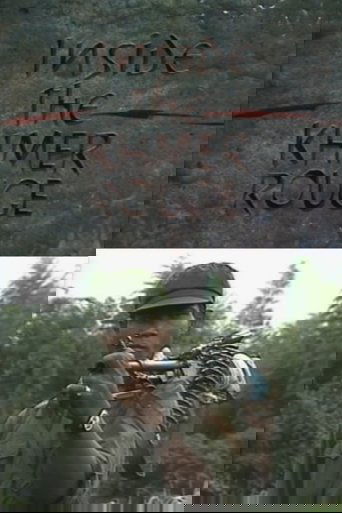
Inside the Khmer Rouge takes an in-depth look at the history, domination, and current status of the Khmer Rouge (a Communist regime) in Cambodia. The film features revealing interviews with soldiers of both the modern Khmer Rouge and those who fight in opposition. A comprehensive timeline of the regime's five-year occupation in Cambodia is dissected and includes a review of key individuals, ideologies, and locations where devastation hit hardest. Following this, the film takes a look at the effects on the Cambodian citizens upon the retraction of Vietnamese forces. Inside the Khmer Rouge continues to investigate the current tactics the modern Khmer Rouge implement and their attempts to persuade followers in order to rebuild and expand their regime. Oppositely, local forces or "jungle soldiers" discuss their devices for assuring the destruction and atrocities once caused by the Khmer Rouge never happen again.