


Silent Gunpowder
Drama · War
Overview
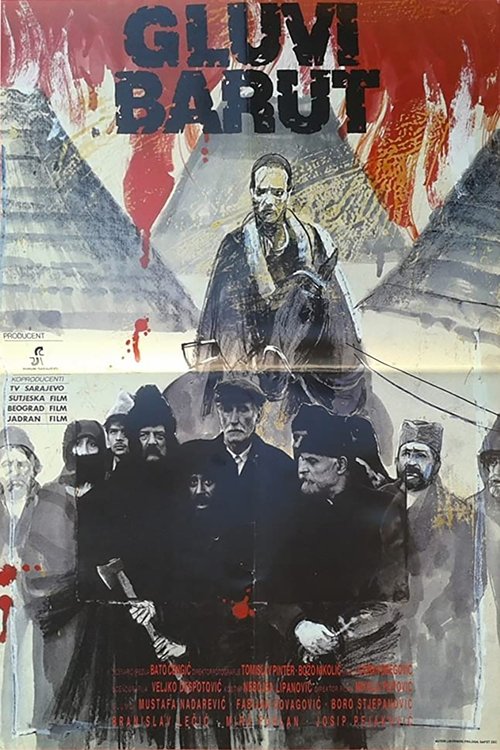
Silent Gunpowder (Serbo-Croatian: Gluvi barut) is a Yugoslavian war film Based on a novel by Branko Ćopić and set during World War II, the film tells the story of a Serbian village in the mountains of Bosnia and its villagers who found themselves divided along two opposing ideological lines, represented by the Chetniks and the Partisans. These two opposing sides are personified in the Partisan commander Španac and a former Royal Army officer Radekić. Španac sees Radekić as the cause of villagers' resistance to the new, Communist, ideology and so the main plot axis is the conflict between them. At the 1990 Pula Film Festival, the film won the Big Golden Arena for Best Film, as well as the awards for Best Actor in a Leading Role (Branislav Lečić), Best Film Score (Goran Bregović). The film was also shown at the 1991 Moscow International Film Festival, where both Branislav Lečić and Mustafa Nadarević won the Silver St. George Award for their performances.
Top Cast

Mustafa Nadarević
Španac
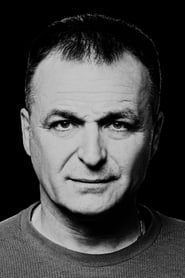
Branislav Lečić
Miloš Radekić
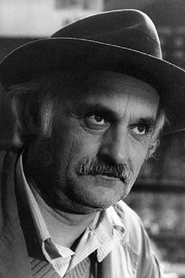
Fabijan Šovagović
Pop Novak

Mira Furlan
Janja
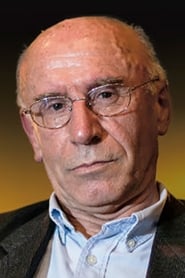
Boro Stjepanović
Luka Kaljak
Josip Pejaković
Vojvoda Trivun Drakulić
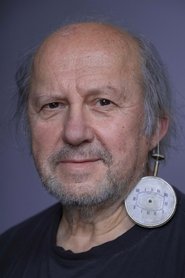
Zijah Sokolović
Mlinar Gojko
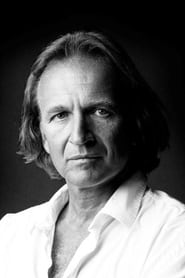
Svetozar Cvetković
Zunzara
Zaim Muzaferija
Učitelj Stojan Kekić
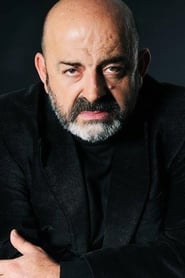
Enver Petrovci
Uroš
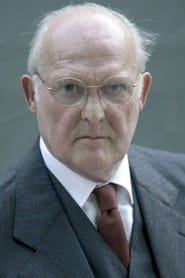
Radko Polič
Komesar Vlado
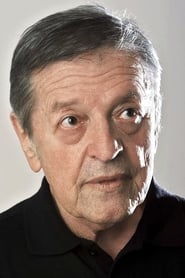
Marko Nikolić
Mrki


Mustafa Nadarević
Mustafa Nadarević
Španac
Mustafa Nadarević
Španac
Branislav Lečić
Branislav Lečić
Miloš Radekić
Branislav Lečić
Miloš Radekić
Fabijan Šovagović
Fabijan Šovagović
Pop Novak
Fabijan Šovagović
Pop Novak
Mira Furlan
Mira Furlan
Janja
Mira Furlan
Janja
Boro Stjepanović
Boro Stjepanović
Luka Kaljak
Boro Stjepanović
Luka Kaljak
Josip Pejaković
Josip Pejaković
Vojvoda Trivun Drakulić
Josip Pejaković
Vojvoda Trivun Drakulić
Zijah Sokolović
Zijah Sokolović
Mlinar Gojko
Zijah Sokolović
Mlinar Gojko
Svetozar Cvetković
Svetozar Cvetković
Zunzara
Svetozar Cvetković
Zunzara
Zaim Muzaferija
Zaim Muzaferija
Učitelj Stojan Kekić
Zaim Muzaferija
Učitelj Stojan Kekić
Enver Petrovci
Enver Petrovci
Uroš
Enver Petrovci
Uroš
Similar Movies
Based on the true story of a Russian serial killer who, over many years, claimed victim to over 50 people. His victims were mostly under the age of 17. In what was then a communists state, the police investigations were hampered by bureaucracy, incompetence and those in power. The story is told from the viewpoint of the detective in charge of the case.
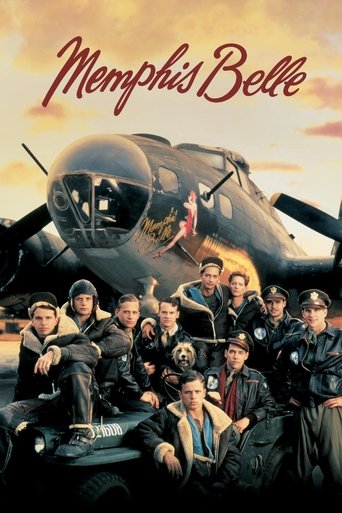
The "Memphis Belle" is a World War II bomber, piloted by a young crew on dangerous bombing raids into Europe. The crew only have to make one more bombing raid before they have finished their duty and can go home. In the briefing before their last flight, the crew discover that the target for the day is Bremen.
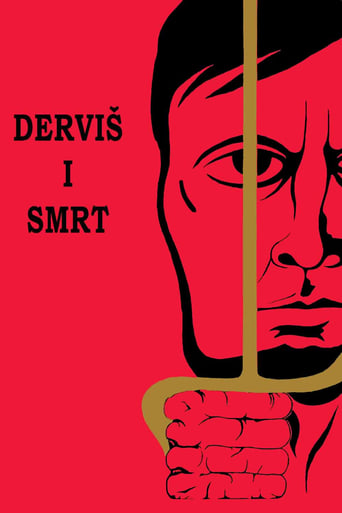
Ahmet Nurudin is a dervish and head of the Islamic monastery of the Mevlevi order in Sarajevo. He is a personification of morale and dogmatic belief, everything that Muslim religion of the Ottoman rule rests on. Throughout his life, the atmosphere of the city, the relations with the judge and the mechanism of government, the image of Ottoman Empire at the beginning of the nineteenth century is being revealed. Based on a highly praised novel by Meša Selimović.
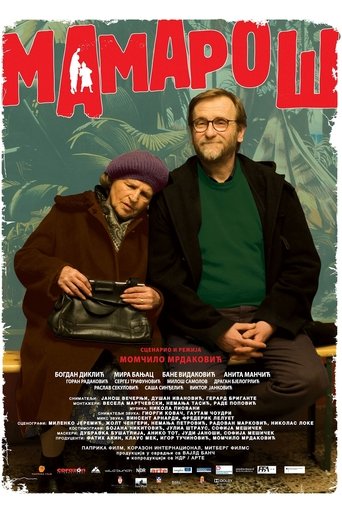
Middle-aged cinephile and film projectionist Pera still lives with his mother - and best friend - Mara, in Belgrade. It's 1999 and when NATO bombs start raining down on Serbia, the two of them become refugees. After a surreal journey, they end up in New York, where Pera realizes that he can no longer do the old job he loved so much. While he and Mara were struggling to survive, the new age of digital projection was born. Then Pera stumbles upon some discarded projectors and his new mission in life becomes clear: he will travel around and show people the magic of Real Cinema - the magic that can only be created by celluoid, mechanical projectors, the silver screen and flickering light.

In 1979 Cuba, flamboyant gay artist Diego attempts to seduce straitlaced David, an idealistic young communist, and fails dismally. But David conspires to be "friends" with Diego so he can monitor the artist's subversive life for the state. As Diego and David discuss politics, individuality and personal expression in Castro's Cuba, a genuine friendship develops between the two.
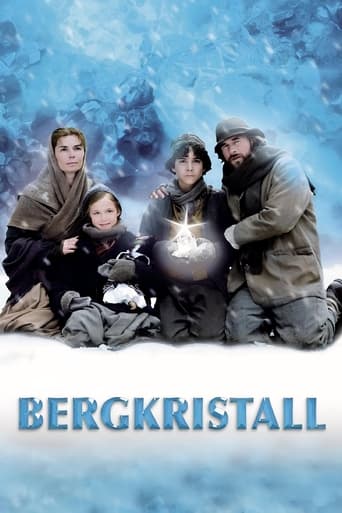
The towns of Gschaid and Millsdorf are in a constant state of feuding with each other. Nevertheless Gschaid's Sebastian and Millsdorf's Susanne are married. In her husband's town Susanne has to put up with daily harassment by the locals, which also extends to her two children. Finally she moves back to her parents, alone. When the children, who long to find a magical crystal they believe has the power to reunite the family, get lost in a howling blizzard on the exposed mountain after bringing their mother her Christmas presents, both towns set up rescue missions.
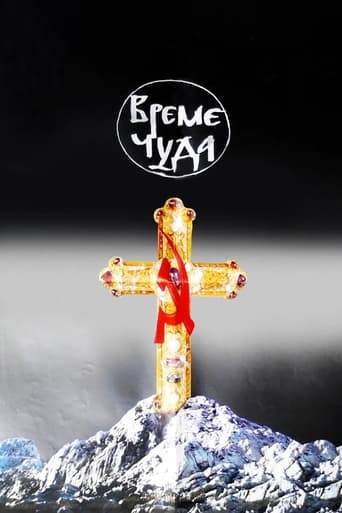
September 1945. The new communist authorities go into the church, hang the flag of the Party and paint over the old frescoes, but each time the frescoes miraculously return. A stranger comes to town and works miracles; the townsfolk are convinced he is the Messiah. Director Paskaljevic cut his TV miniseries, based on the novel by Borislav Pekic, to feature film length.
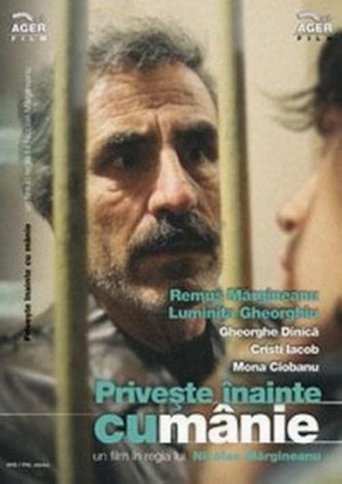
After the revolution of December 1989, Romania is in full transition. Incertainty and chaos have followed Ceausescu's downfall. Fane, a worker in a wharf on the river Danube, is a former dissident who was in involved in politically motivated uprisings. Now that he has achieved what he has fought for, he is unemployed and everything around him seems to fall to pieces. His whole family falls victim to the changes of the early 90s. His daughter prostitutes herself, his elder son ends up in prison and his younger son becomes a thief.