

For My Sisters
Documentary
Overview
FOR MY SISTERS is a movie about black culture or rather: black women, specifially: a movie about black singers. Alberta Hunter, Sarah Vaughan, Carmen McRae, Nina Simone. They are the four "Big Sisters", singer Carole Alston follows through to the age of jazz. Alston, "a voice as dark and sweet as molasses", as described by the Financial Times, was born in Washington, DC and has been living in Vienna for almost 30 years. She is sure: "Those four icons help you explain what jazz is and even the history of jazz right along."
Top Cast



Carole Alston
Carole Alston
Carole Alston
Carole Alston
Carole Alston
Similar Movies

The documentary tracks the diva's difficult progress as she emerges from the tough, testosterone-fuelled world of the big bands of the 30s and 40s, to fill nightclubs and saloons across the US in the 50s and early 60s as a force in her own right. Looking at the lives and careers of six individual singers (Billie Holiday, Ella Fitzgerald, Peggy Lee, Sarah Vaughan, Nina Simone and Annie Ross), the film not only talks to those who knew and worked with these queens of jazz, but also to contemporary singers who sit on the shoulders of these trailblazing talents without having to endure the pain and hardship it took for them to make their highly individual voices heard above the prejudice of mid-century America.
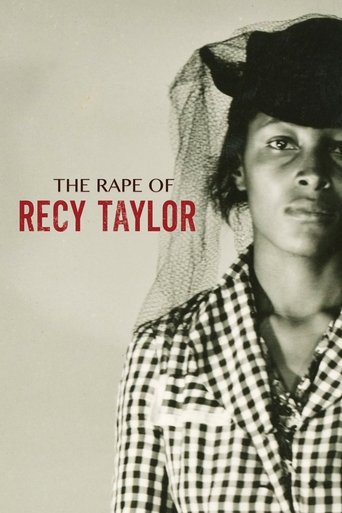
Recy Taylor, a 24-year-old black mother and sharecropper, was gang raped by six white boys in 1944 Alabama. Common in Jim Crow South, few women spoke up in fear for their lives. Not Recy Taylor, who bravely identified her rapists. The NAACP sent its chief rape investigator Rosa Parks, who rallied support and triggered an unprecedented outcry for justice. The film exposes a legacy of physical abuse of black women and reveals Rosa Parks’ intimate role in Recy Taylor’s story.

Ebony Goddess: Queen of Ilê Aiyê follows three women competing to be the carnival queen of Ilê Aiyê, a prominent and controversial Afro-Brazilian group with an all-black membership. The selection is based on Afro-centric notions of beauty, in counterpoint to prevailing standards of beauty in Brazil, a country famous for slim supermodels and plastic surgery. Contestants for the title of Ebony Goddess dress in flowing African-style garments, gracefully performing traditional Afro-Brazilian dances to songs praising the beauty of black women.

Althea Gibson’s life and achievements transcend sports. A truant from the rough streets of Harlem, Althea emerged as a most unlikely queen of the highly segregated tennis world in the 1950s. Her roots as a sharecropper’s daughter, her family’s migration north to Harlem in the 1930s, mentoring from Sugar Ray Robinson, David Dinkins and others, and fame that thrust her unwillingly into the glare of the early Civil Rights movement, all bring her story into a much broader realm of the American story.