

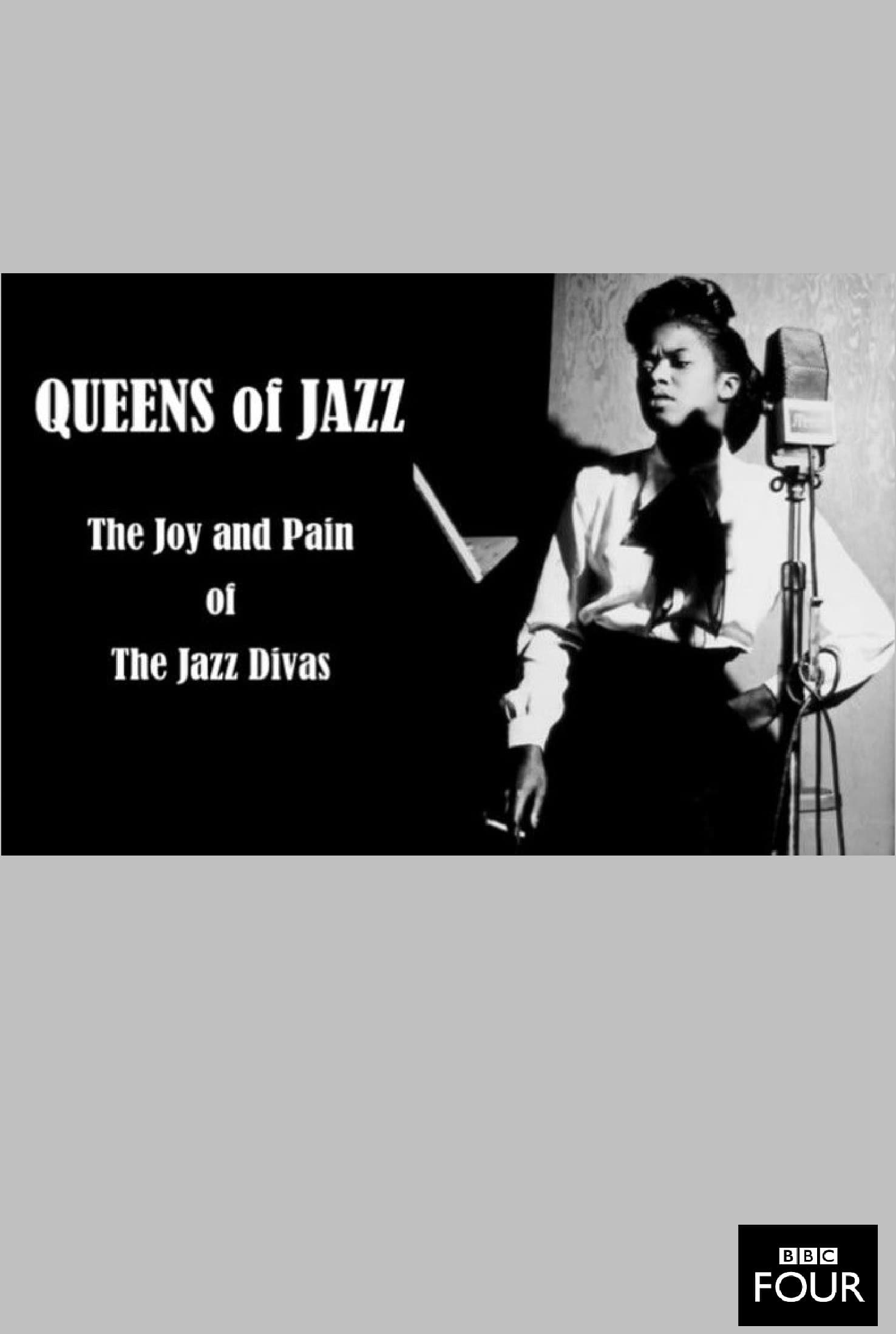
Queens of Jazz: The Joy and Pain of the Jazz Divas
Documentary · Music
Overview
The documentary tracks the diva's difficult progress as she emerges from the tough, testosterone-fuelled world of the big bands of the 30s and 40s, to fill nightclubs and saloons across the US in the 50s and early 60s as a force in her own right. Looking at the lives and careers of six individual singers (Billie Holiday, Ella Fitzgerald, Peggy Lee, Sarah Vaughan, Nina Simone and Annie Ross), the film not only talks to those who knew and worked with these queens of jazz, but also to contemporary singers who sit on the shoulders of these trailblazing talents without having to endure the pain and hardship it took for them to make their highly individual voices heard above the prejudice of mid-century America.








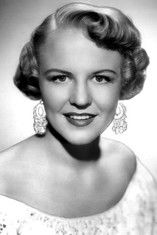
Peggy Lee
Peggy Lee
Self (archive footage)
Peggy Lee
Self (archive footage)
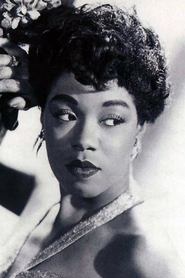
Sarah Vaughan
Sarah Vaughan
Self (archive footage)
Sarah Vaughan
Self (archive footage)
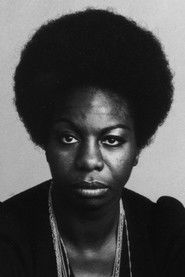
Nina Simone
Nina Simone
Self (archive footage)
Nina Simone
Self (archive footage)
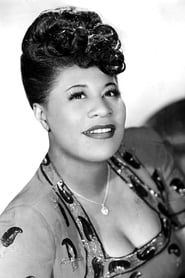
Ella Fitzgerald
Ella Fitzgerald
Self (archive footage)
Ella Fitzgerald
Self (archive footage)

Annie Ross
Annie Ross
Self
Annie Ross
Self

Melody Gardot
Melody Gardot
Self
Melody Gardot
Self
Madeleine Peyroux
Madeleine Peyroux
Self
Madeleine Peyroux
Self
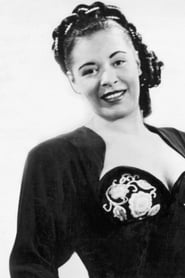
Billie Holiday
Billie Holiday
Self (archive footage)
Billie Holiday
Self (archive footage)
Similar Movies

Born on a sharecropping plantation in Northern Florida, Ray Charles went blind at seven. Inspired by a fiercely independent mom who insisted he make his own way, He found his calling and his gift behind a piano keyboard. Touring across the Southern musical circuit, the soulful singer gained a reputation and then exploded with worldwide fame when he pioneered coupling gospel and country together.
Max Devereaux and Suko Pyramid documentary about the making of their first three albums together as a duo and the story of their inspiring, international collaboration. Produced entirely remotely, featuring never-before-seen photos, videos and audio as well as interviews with close collaborators from all over the world.
October 2003, Alma and Lila Levy are excluded from the Lycée Henri Wallon in Aubervilliers solely because they were wearing a headscarf. What follows is a deafening political and media debate, justifying in most cases the exclusion of girls wearing head-scarves to school. February 2004, a law was eventually passed by the National Assembly. "A thinly veiled racism" is about this controversy since the affair of Creil in 1989 (where two schoolgirls were excluded for the same reasons) and attempts to "reveal" that maybe what hides behind is the desire to exclude these girls. This film gives them a voice as well as others - teachers, community activists, feminists, researchers - gathered around the group "A School for You-All" fighting for the repeal of this law they consider sexist and racist ... This movie was censured in Septembre 2004 in France.
Vancouver's Downtown East side is home to thousands of drug addicts, prostitutes, and the mentally ill. Amateur cameraman K.R.T. spent one summer on these mean streets getting to know longtime homeless drug addicts Ken and Lisa. This seemingly random footage was given to first time writer/director Josh Laner who found a story of people trying to connect in an area where no one seems connected to much of anything. An intimate and surreal look at life on the streets in Canada's most impoverished postal code. This is Josh Laner's first film.
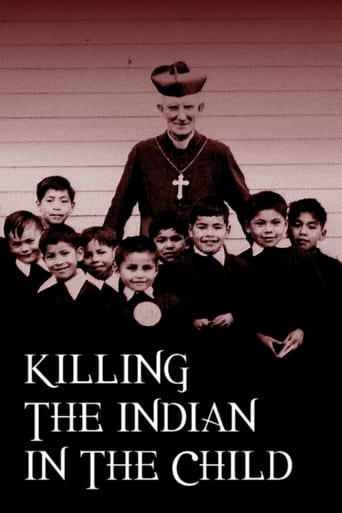
The Indian Act, passed in Canada in 1876, made members of Aboriginal peoples second-class citizens, separated from the white population: nomadic for centuries, they were moved to reservations to control their behavior and resources; and thousands of their youngest members were separated from their families to be Christianized: a cultural genocide that still resonates in Canadian society today.
Cocaine has always gotten a bad rap, and for a reason. It is a drug used by the rich and the poor legally and illegally, Mexican cartels fought over it with Colombia once associated with the brutal cocaine wars, and a source of tension between the American and Mexican borders on the people who are illicitly bringing in cocaine from one side of the border to another and will do anything to do it. So it can be surprising at times to the viewer throughout the course of the documentary special, that it was never always like this.