

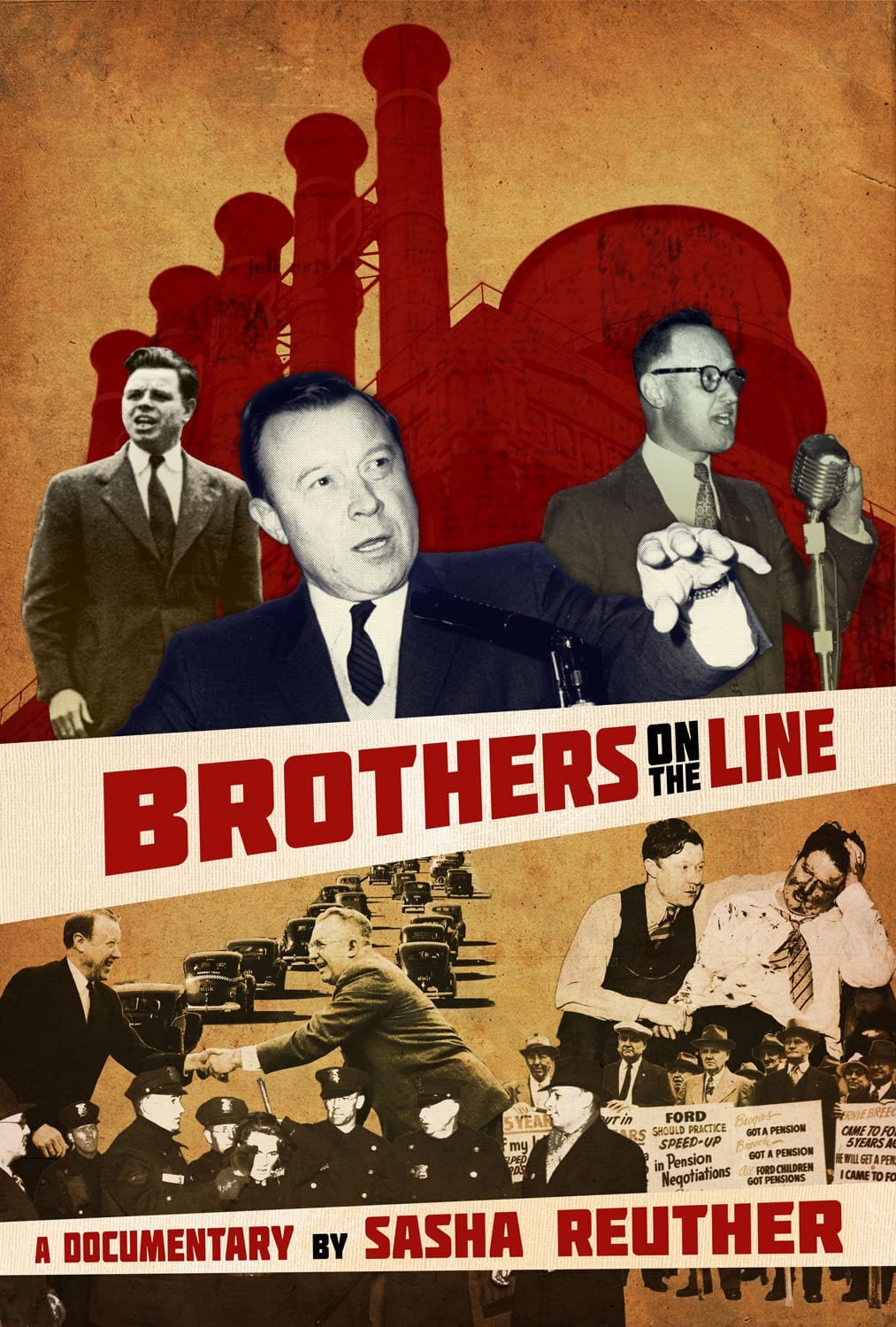
Brothers on the Line
Documentary
Overview
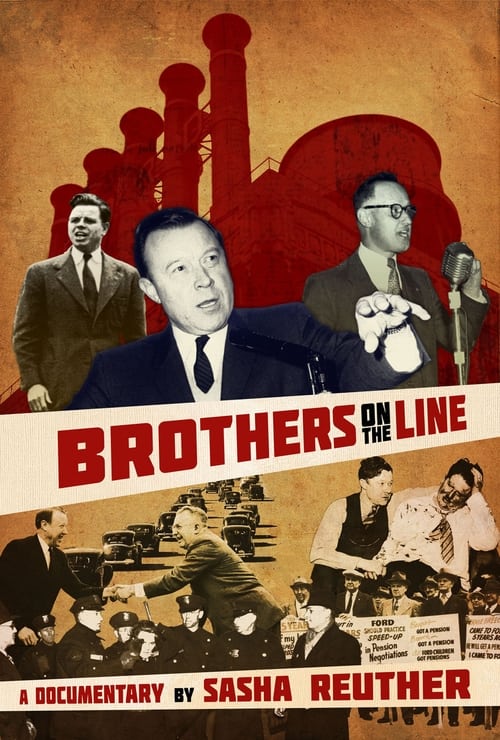
Brothers on the Line explores the extraordinary journey of the Reuther brothers – Walter, Roy, and Victor – union organizers whose unshakeable devotion led an army of workers into an epic human rights struggle.
Top Cast











Martin Sheen
Martin Sheen
Narrator
Martin Sheen
Narrator
Similar Movies
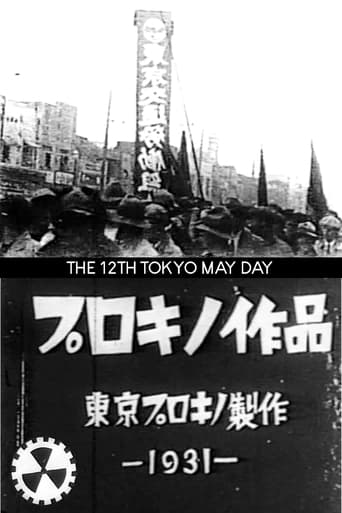
A main agenda of the prewar farmer's movement was struggle against landowners. Prokino also considered this as their prime concern. The main title sequence and the latter part of the film have unfortunately been lost. While we cannot see its entire structure, we can still get a glimpse of it from this surviving short.
On the 5th of March 1985, a crowd gathered in a South Yorkshire pit village to watch a sight none of them had seen in a year. The villagers, many of them in tears, cheered and clapped as the men of Grimethorpe Colliery marched back to work accompanied by the village’s world-famous brass band. The miners and their families had endured months of hardship. It had all been for nothing. The miners had lost the strike called on March 6th 1984. They would lose a lot more in the years to come. But was it a good thing for the country that the miners lost their last battle?
This film demonstrates how labor law has crippled the collective bargaining power of unions and weighed the scales of justice against working people. The documentary follows the 1988 United Mine Workers strike against the Pittston Coal Company that followed the expiration of their contract and Pittston's termination of the medical benefits of 1,500 pensioners, widows, and disabled miners.
This film takes us into the harsh realm of BC's early coal mines, canneries, and lumber camps; where primitve conditions and speed-ups often cost lives. Then, the film moves through the unemployed' struggles of the '30s, post WWII equity campaigns, and into more recent public sector strikes over union rights.
July, 1936. The terrible Spanish Civil War begins. When the streets are taken by the working class, the social revolution begins as well. The public shows are socialized, a model of production and exhibition of films, never seen before in the history of cinema, is created, where the workers are the owners and managers of the industry, through the unions.
On May 1st, unions all over Japan celebrate May Day, the international day for workers. Workers gather together at parks and hold demonstrations and parades. May Day has its origins in a strike that occurred in the United States on May 1, 1886, a strike that called for an eight-hour workday. Prokino recorded the May Day every year from 1927 to 1932. Among these films, this work is the only one that has survived. However, only its first part has survived. The original film depicts the march to the Ueno Park where the rally was dismissed. Iwasaki Akira coordinated the entire Tokyo Prokino organization as it photographed the 1931 May Day celebrations. They shot in both 16mm and 35mm (other 35mm productions were planned, but this is the only one that achieved completion). A 16mm print was circulated around the countryside by mobile projection units, and a 35mm print was shown at Soviet film nights in Tokyo and Osaka.
Out of Office is the story of a scrappy group of office workers in Wisconsin who managed to pull off a major victory for workers’ rights. Upon their contract’s expiration, the workers activated their dormant union and fought back against their employer - a massive financial services provider making record profits. Their fight dragged out for over 600 days and included the first strike in the company’s almost 100-year history, which was the largest labor action in Wisconsin for over ten years. A rank-and-file member of the union documented the entire struggle, and the documentary includes emotional interviews with key members of the fight.