

Forbidden Films
Documentary · War · History
Overview
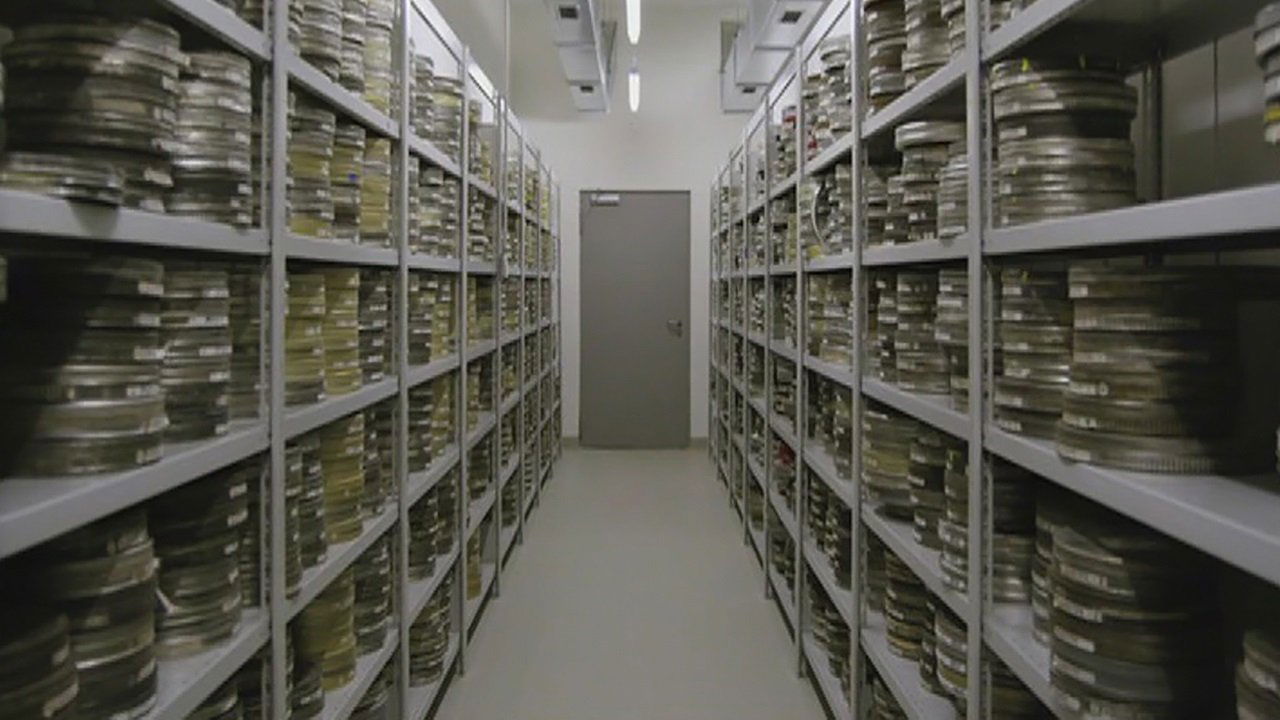
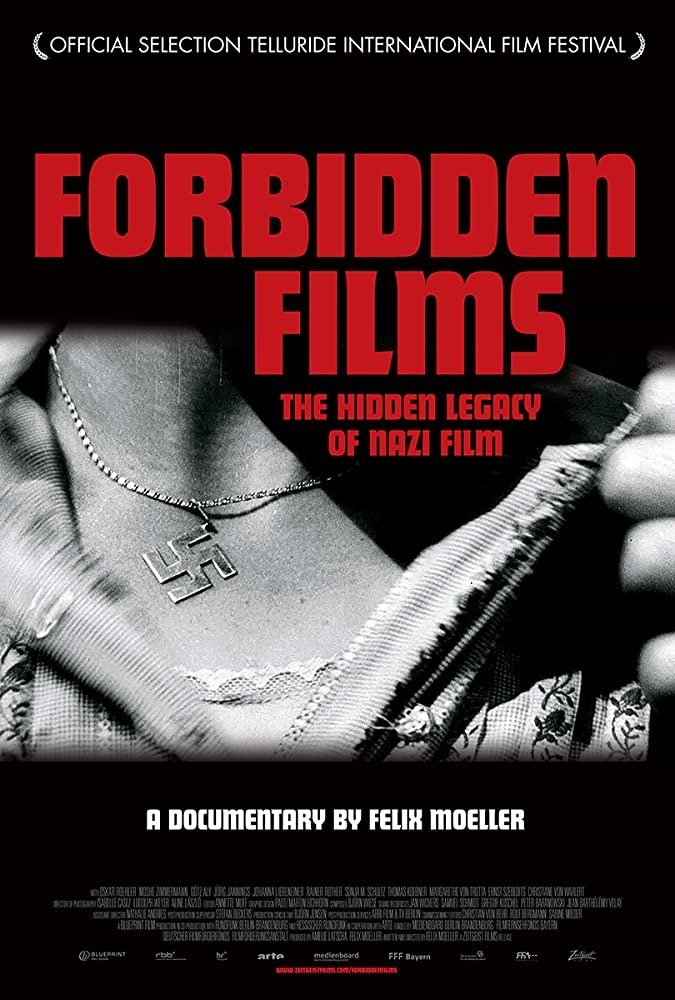
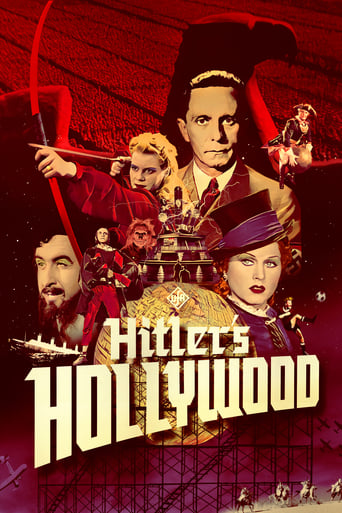
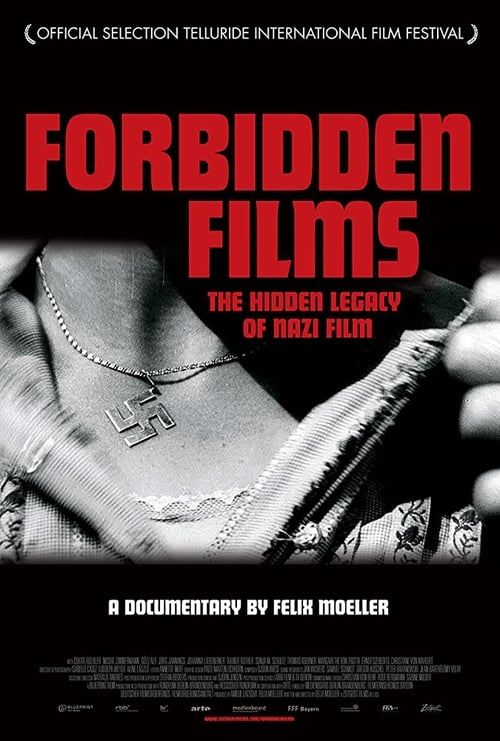
Between 1933 and 1945 roughly 1200 films were made in Germany, of which 300 were banned by the Allied forces. Today, around 40 films, called "Vorbehaltsfilme", are locked away from the public with an uncertain future. Should they be re-released, destroyed, or continue to be neglected? Verbotene Filme takes a closer look at some of these forbidden films.




Johanna Liebeneiner
Johanna Liebeneiner
Herself
Johanna Liebeneiner
Herself
Margarethe von Trotta
Margarethe von Trotta
Herself
Margarethe von Trotta
Herself

Oskar Roehler
Oskar Roehler
Himself
Oskar Roehler
Himself
Moshe Zimmermann
Moshe Zimmermann
Himself
Moshe Zimmermann
Himself
Ernst Szebedits
Ernst Szebedits
Himself
Ernst Szebedits
Himself
Stefan Drößler
Stefan Drößler
Himself
Stefan Drößler
Himself

Götz Aly
Götz Aly
Himself
Götz Aly
Himself
Jörg Jannings
Jörg Jannings
Himself
Jörg Jannings
Himself
Rainer Rother
Rainer Rother
Himself
Rainer Rother
Himself
Sonja M. Schultz
Sonja M. Schultz
Herself
Sonja M. Schultz
Herself
Similar Movies
Au revoir les enfants tells a heartbreaking story of friendship and devastating loss concerning two boys living in Nazi-occupied France. At a provincial Catholic boarding school, the precocious youths enjoy true camaraderie—until a secret is revealed. Based on events from writer-director Malle’s own childhood, the film is a subtle, precisely observed tale of courage, cowardice, and tragic awakening.
In 1943, as Hitler continues to wage war across Europe, a group of college students mount an underground resistance movement in Munich. Dedicated expressly to the downfall of the monolithic Third Reich war machine, they call themselves the White Rose. One of its few female members, Sophie Scholl is captured during a dangerous mission to distribute pamphlets on campus with her brother Hans. Unwavering in her convictions and loyalty to the White Rose, her cross-examination by the Gestapo quickly escalates into a searing test of wills as Scholl delivers a passionate call to freedom and personal responsibility.
On September 1st, 1939, Nazi Germany invades Poland, unleashing World War II. On September 17th, the Soviet Red Army crosses the border. The Polish army, unable to fight on two fronts, is defeated. Thousands of Polish men, both military and government officials, are captured by the invaders. Their fate will only be known several years later.
After his father is murdered by the Nazis in 1938, a young Viennese Jew named Ferry Tobler flees to Prague, where he joins forces with another expatriate and a sympathetic Czech relief worker. Together with other Jewish refugees, the three make their way to Paris, and, after spending time in a French prison camp, eventually escape to Marseille, from where they hope to sail to a safe port.
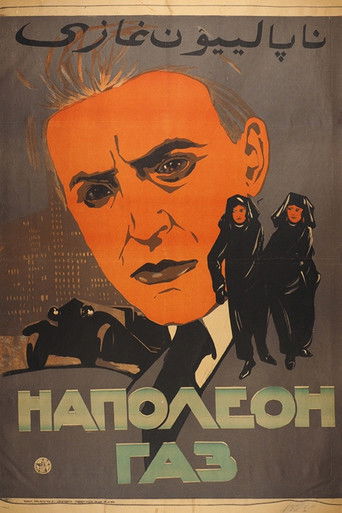
A squadron of American warplanes, armed with gas developed by Corsican chemist Gannimer (dubbed "Napoleon Gas") flies to Leningrad. American workers inform soviet comrades about the impending catastrophe. But the air attack on the city has already begun, and the assault troops of the enemy capture one suburb of the city after the other. The Red Army is organizing the defense and reflects the attack of the enemy with gas-armed drones